Free written scope consultation - allowances, timeline, and change-order rules on paper before a single trade is scheduled
Schluter Fence Installation: The Torrance Owner’s Guide
Schluter fence installation in Torrance typically runs $3,500 – $9,000 installed, depending on the fence system, linear footage, and what’s happening with the existing posts and substrate. We stock Schluter-compatible fence profiles and trim on our trucks, so most Torrance jobs are done in a single visit. The way owners usually discover a problem is simple: a section of fence starts pulling away from the edge, or the profile that holds it has cracked, warped, or separated from the tile or flooring beneath it.
If you’re standing in front of a Schluter fence that’s wobbling, lifting, or showing gaps at the base, you already know the feeling: it worked fine for years, and now something’s off and you’re not sure if it’s a small fix or a bigger job. Here’s the straight answer on what it costs, what fails, and how we handle it.
Which Schluter Models This Applies To
Schluter makes several fence and edge-profile systems, and they’re not interchangeable. The main ones we see in Torrance homes are the DECO, SCHIENE, and QUADEC profiles, plus the TROBA-LINE drainage fences used on exterior decks and balconies. Each seals a different edge condition, and each has specific height, depth, and anchoring requirements depending on the tile thickness and what’s underneath it.
Here’s the compatibility gotcha most people miss: a profile that was sized for 3/8-inch tile will not seat correctly if the new tile is 1/2-inch, even if the visible face looks the same. You have to match the profile’s anchoring leg depth to the tile thickness, not just the finished width. If you’re not sure which one you have, look at the back of a loose section or check the original purchase paperwork; Schluter stamps the series name into the profile leg on most lines. We can also match it by measuring the exposed face and the anchoring leg once we’re on site. For most homeowners, an OEM Schluter profile is the right call because the finish and dimensions match exactly. Quality aftermarket equivalents exist for basic aluminum profiles, but they can have slightly different radii or coating thicknesses, which shows at the seams.
One thing worth knowing if you live near the coast in Torrance: the salt air off the Pacific shortens the life of uncoated aluminum trim. We regularly replace profiles in neighborhoods like Walteria and Southwood where the aluminum has pitted or the finish has dulled years before the same profile would fail inland. If your home is within a mile or two of the water, a coated or stainless profile is the better long-term move.
Styles & brands we work with

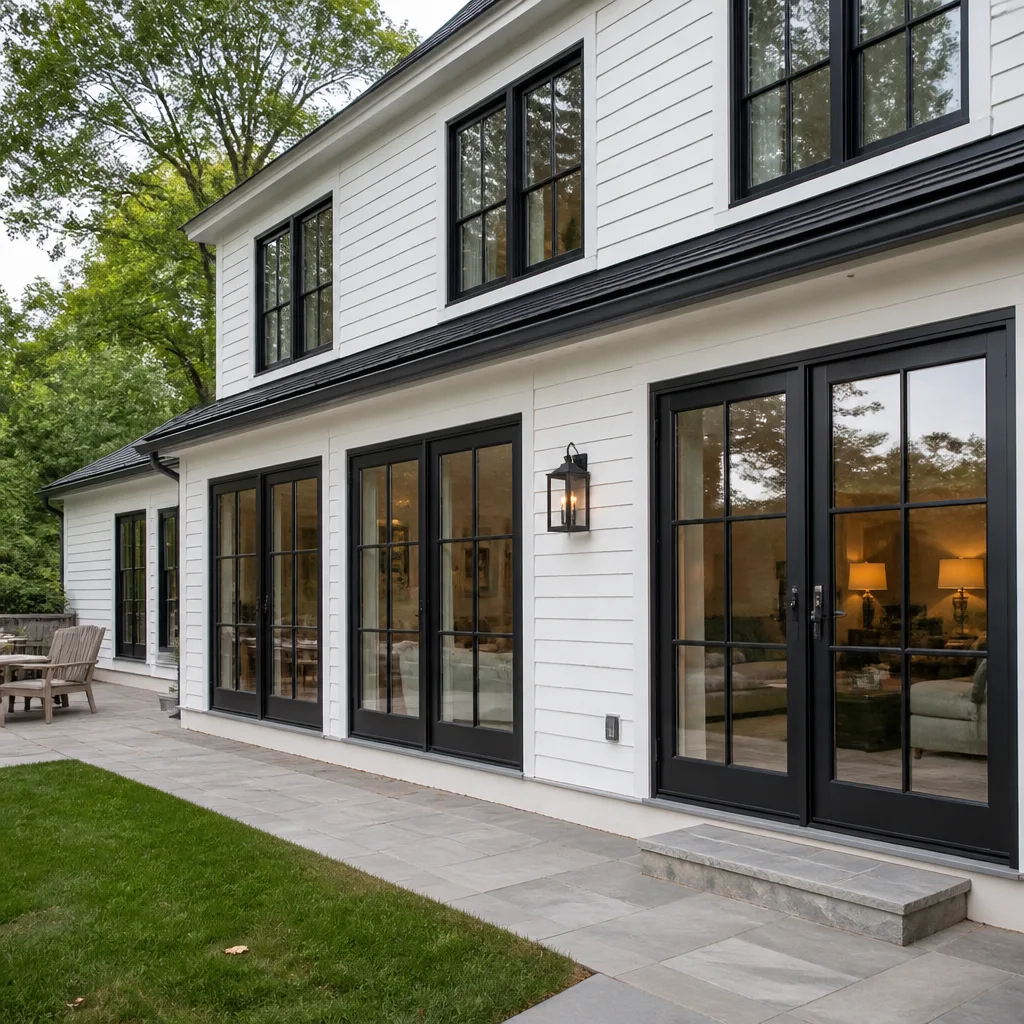
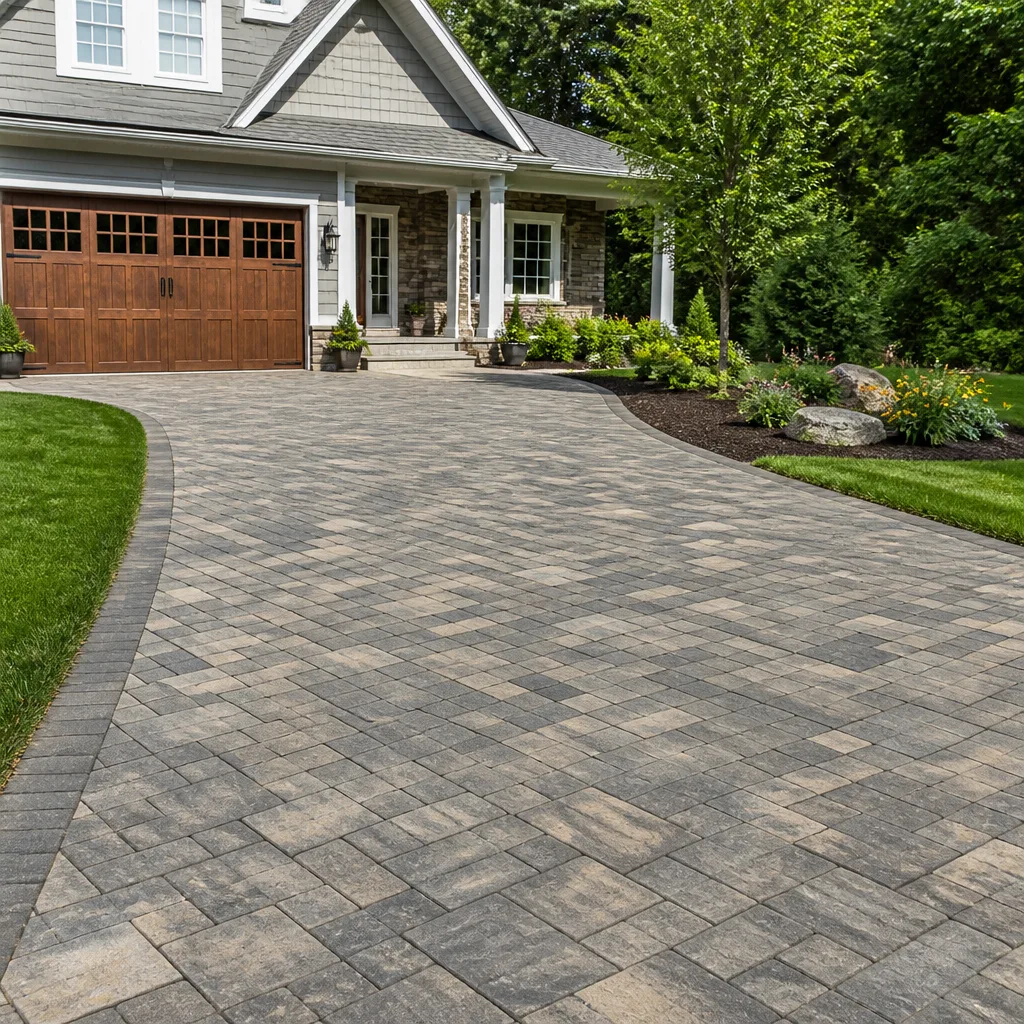
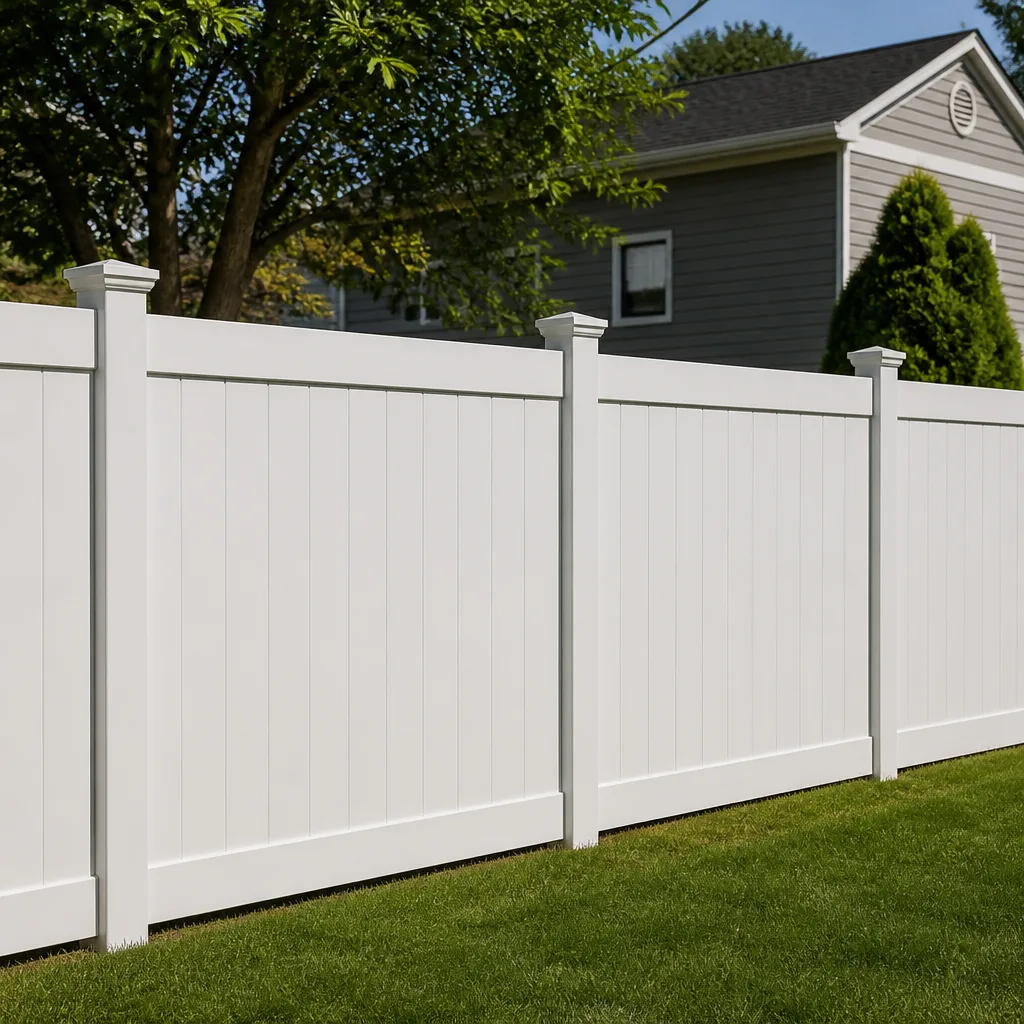
Signs Your Schluter Fence Installation Is Failing
- The profile is pulling away from the tile edge. This usually means the thinset under the anchoring leg wasn’t fully packed, or moisture got underneath and broke the bond. You’ll see a hairline gap that widens over time, and water will start getting in behind it.
- The fence section itself is loose at a joint or corner. Most Schluter fence connections use mechanical fasteners or set-screw style joiners. When those loosen, the fence wobbles even though the profile is still firmly attached to the substrate.
- You can see cracking or buckling along the profile face. This is often thermal movement. Torrance gets enough sun exposure that long runs of aluminum profile expand and contract daily, and if the original install didn’t leave expansion room at the ends, the metal eventually buckles.
- There’s water staining or efflorescence at the tile edge near the fence base. That white, chalky residue is minerals leaching out of the setting bed, and it means water is getting behind the profile. Left alone, the water degrades the setting material and the fence keeps loosening.
- The fence sits lower on one end than the other. If the substrate settled or the original install wasn’t level, the fence shows it. This one’s structural, not cosmetic; a fence that’s out of level puts uneven pressure on every connection point and fails progressively.
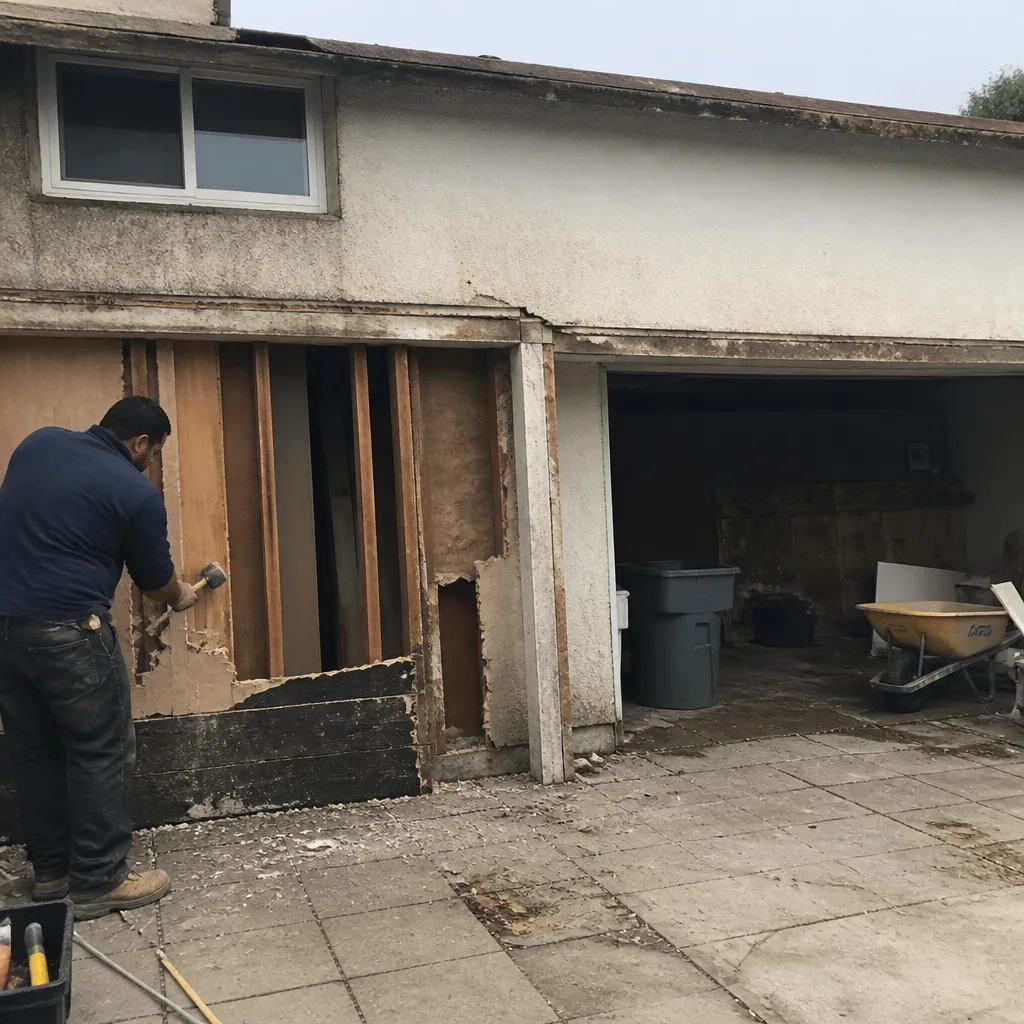
See the difference
 Before
 After
After Before
 After
After Before
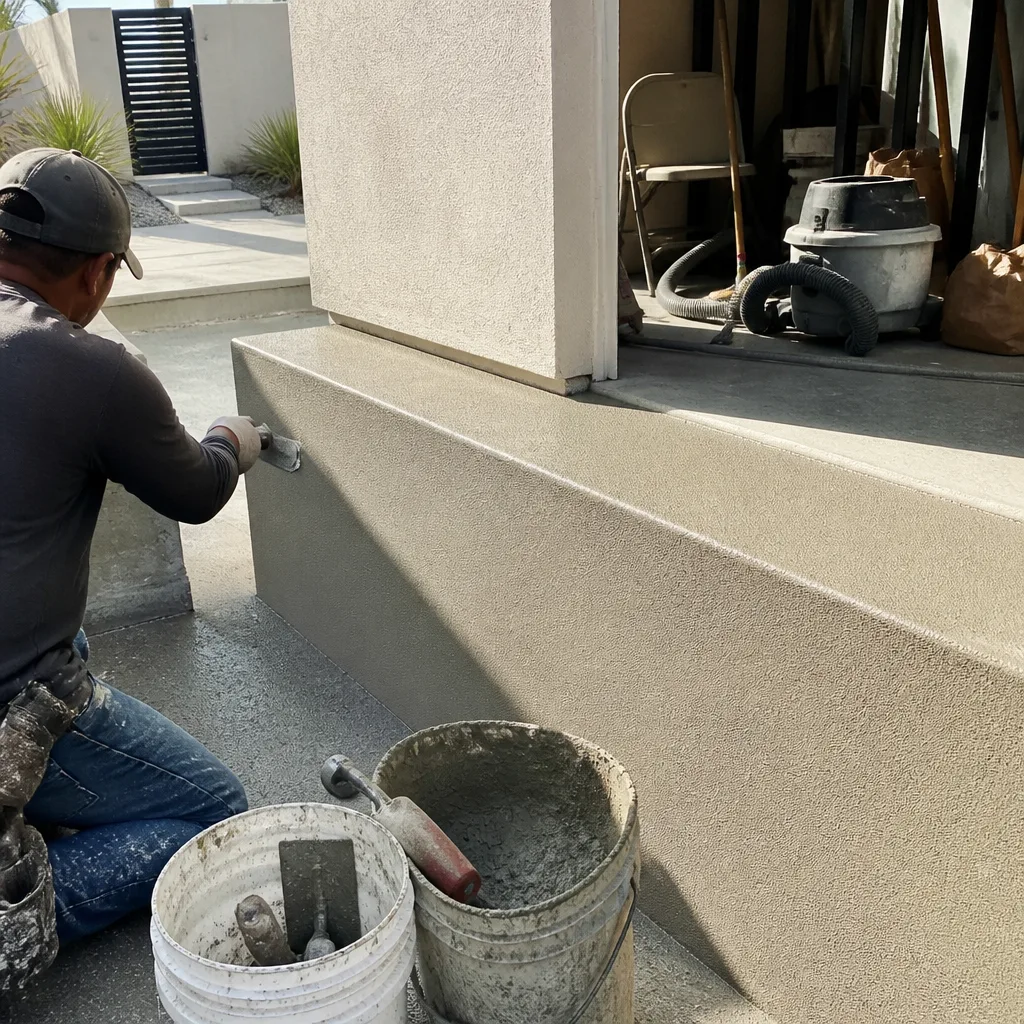 After
AfterReplacement Cost & What’s Included

For Schluter fence installation and replacement in Torrance, the installed range is $3,500 – $9,000. A straightforward profile swap on a short run with the substrate intact sits at the lower end. A longer run, a corner-heavy layout, or a job where the old setting bed is cracked and needs to be ground out and reset pushes the price up. If the fence posts themselves are compromised, you’re looking at the higher end because we’re rebuilding the anchoring points, not just swapping trim.
Every quote we write includes the Schluter-compatible profiles, fasteners, setting material, and labor, plus disposal of the old material. Nothing is verbal, nothing gets added later, and the price you approve before we start is the price on the final invoice. The work is covered by our 365-Day Done Right Promise, which means if anything on that fence installation fails within a year of completion, we come back and make it right at no cost to you. That’s the guarantee, stated plainly: 365 days from the completion date.
We also carry profiles and trim in stock for KraftMaid, Cambria, and Silestone projects, so if your Schluter fence is part of a larger kitchen, bath, or surface job, we can handle the whole scope in one visit.
DIY or Call Us?
Here’s the honest split. If a fence section is simply loose at a set screw or a mechanical joint, you can often snug that with a hex key and fix a wobble in five minutes. That’s a maintenance item, not a repair. But if the profile itself is lifting, cracked, or separated from the tile, DIY gets risky fast. Pulling on a partially bonded profile usually tears the tile edge, and now you’re into substrate repair. The same goes for any fence on a raised deck or balcony where the anchoring points carry real load; a failed fence there is a fall hazard, and that should be handled by a professional.
If you’re anywhere near the coast in Torrance and the fence has been in place for ten-plus years, the smart move is a full inspection, because the salt exposure means hidden corrosion you can’t see from the surface. Call us at (424) 337-6939 and we’ll come take a look. The estimate is free.
FAQs
In normal inland Torrance conditions, a properly installed Schluter fence profile lasts 15 – 25 years, though coastal homes within a mile or two of the Pacific often see accelerated corrosion that cuts that to 10 – 15 years. The fence sections themselves can outlast the anchoring profile; what fails first is usually the bond between profile and setting bed. Call (424) 337-6939 for an inspection if yours is showing any of the signs above, and we’ll give you an exact assessment and a written quote, free.
Sometimes a loose section can be re-secured at the joint without removing the profile, but when the profile is lifted, cracked, or the setting bed is compromised, replacement is the reliable fix. Re-gluing a failed profile is a temporary measure that almost always fails again within a year. Call (424) 337-6939 and we’ll tell you honestly which path applies, with the price in writing either way.
A straightforward profile and fence replacement on a single run typically takes one day for removal, prep, and installation, plus setting time before full use. Jobs that involve rebuilding substrate or multiple corners can run two days. You’ll have a firm timeline in writing before work starts when you call (424) 337-6939 for a free estimate.
We stock common Schluter-compatible profiles, trim, and fasteners on our service vehicles, so most Torrance jobs are handled same visit. For unusual sizes, specialty finishes, or long runs we pull from our supplier network, usually within one or two business days. Call (424) 337-6939 and we’ll confirm what’s on the truck for your specific profile.
Written by Isaac Pruett, Owner, Mason Remodeling Co Torrance at Mason Remodeling Co Torrance, serving Torrance and nearby areas.