Free written scope consultation - allowances, timeline, and change-order rules on paper before a single trade is scheduled
Ameristar Home Additions & ADU: The Torrance Owner’s Guide
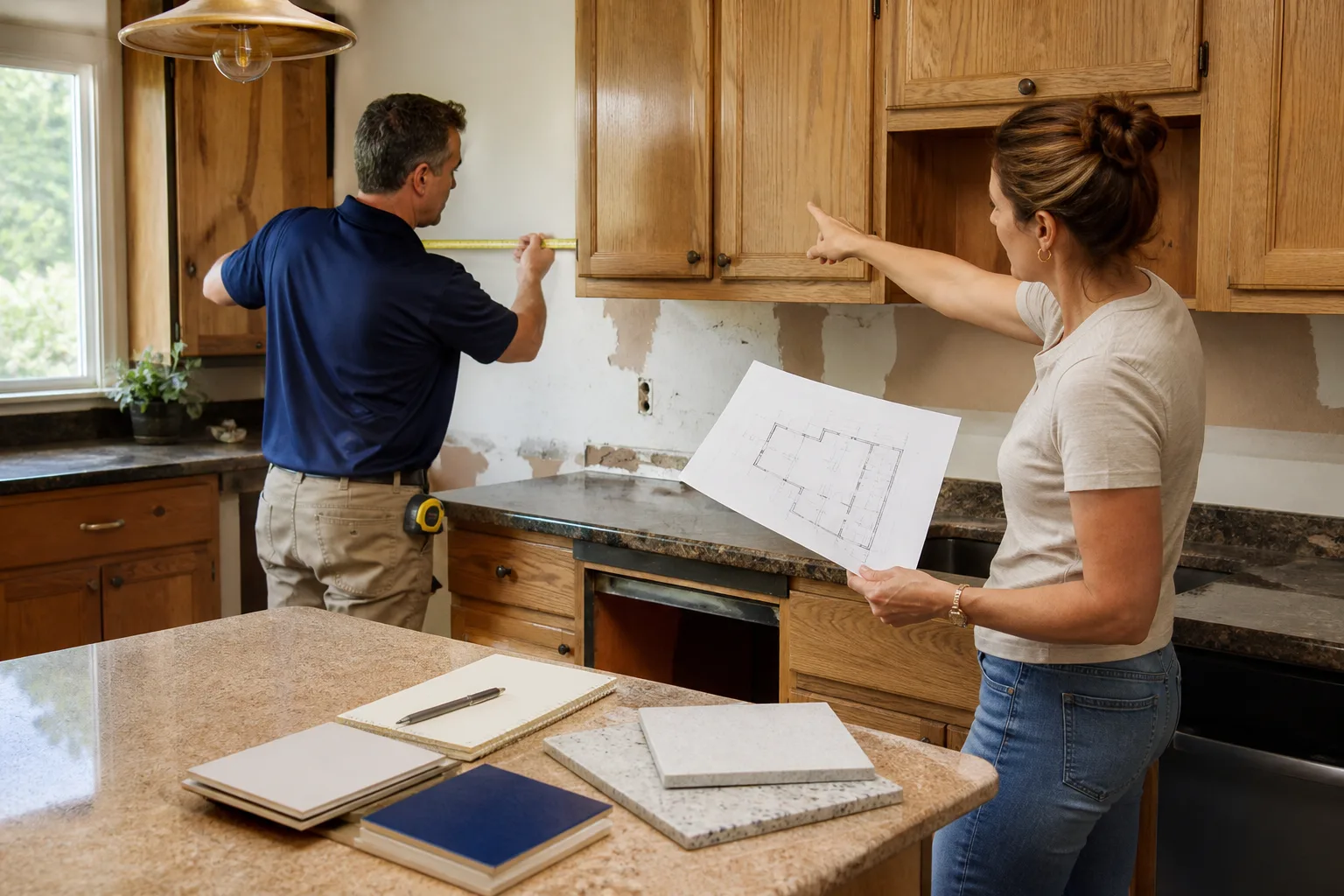
Ameristar home additions and ADU projects in Torrance typically run between $45,000 and $130,000 for the full build, with ADU construction ranging higher at $90,000 to $220,000 depending on size, foundation work, and finish level. We inspect, price, and build Ameristar-compatible additions and ADUs throughout Torrance, and we’re the crew that tells you what’s actually behind that wall before we open it up. Most Torrance homeowners call us because an existing structure is failing, a permitted addition never got finished, or they’ve outgrown the floor plan and want to know if an ADU makes financial sense on their lot.
What we’re not: an Ameristar dealer. Mason Remodeling Co Torrance is an independent contractor serving Torrance and the South Bay. What we are: a crew that has framed, tied in, and finished enough additions across Torrance to know exactly what the city wants on the permit drawings and what the inspector will flag on the final walk.
Which Ameristar Models This Applies To
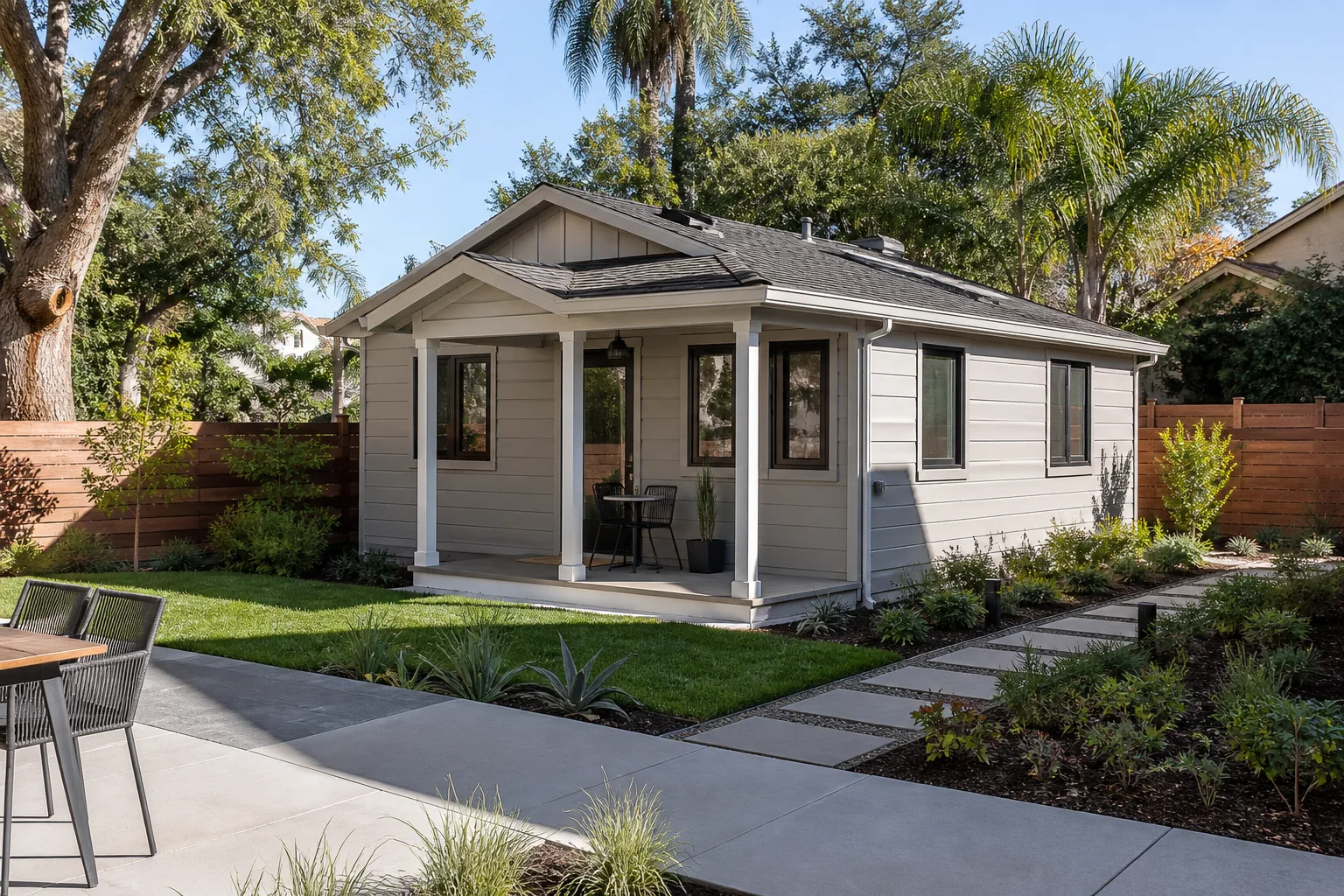
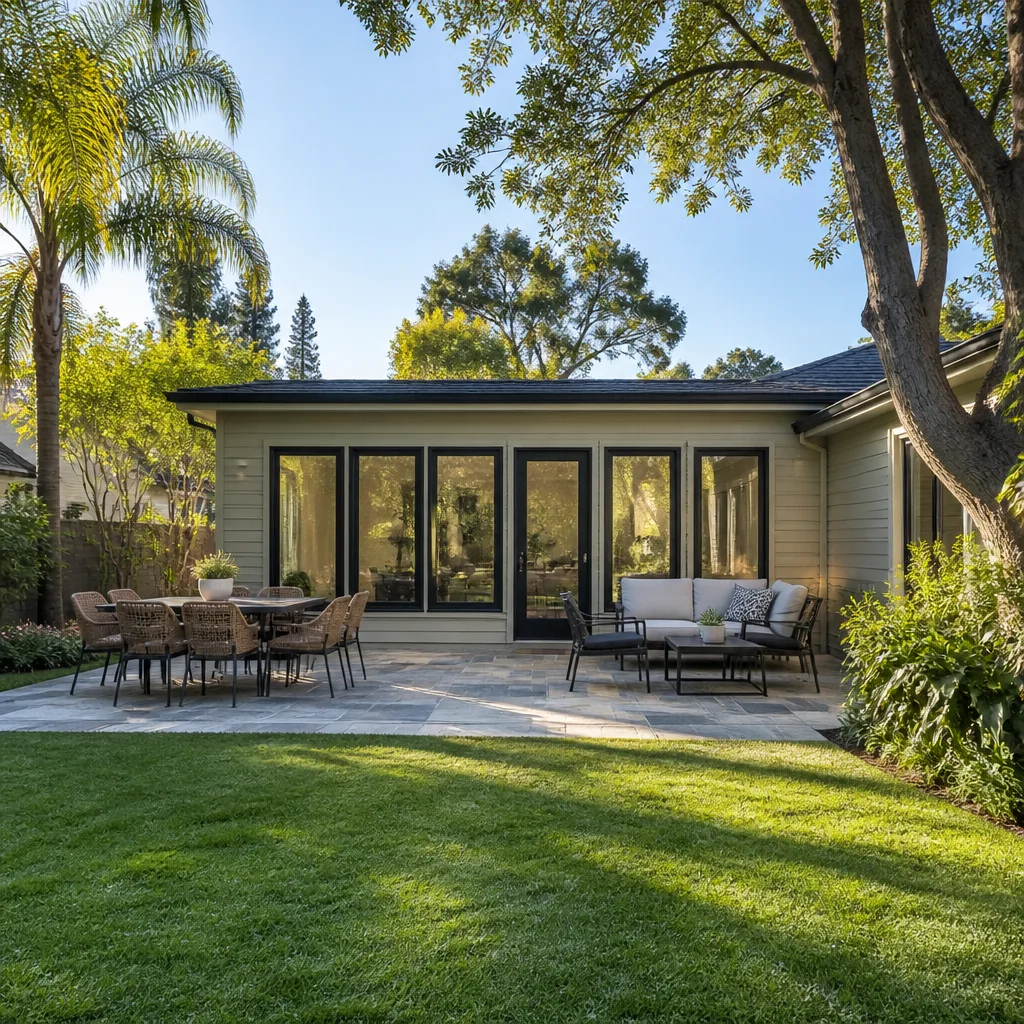
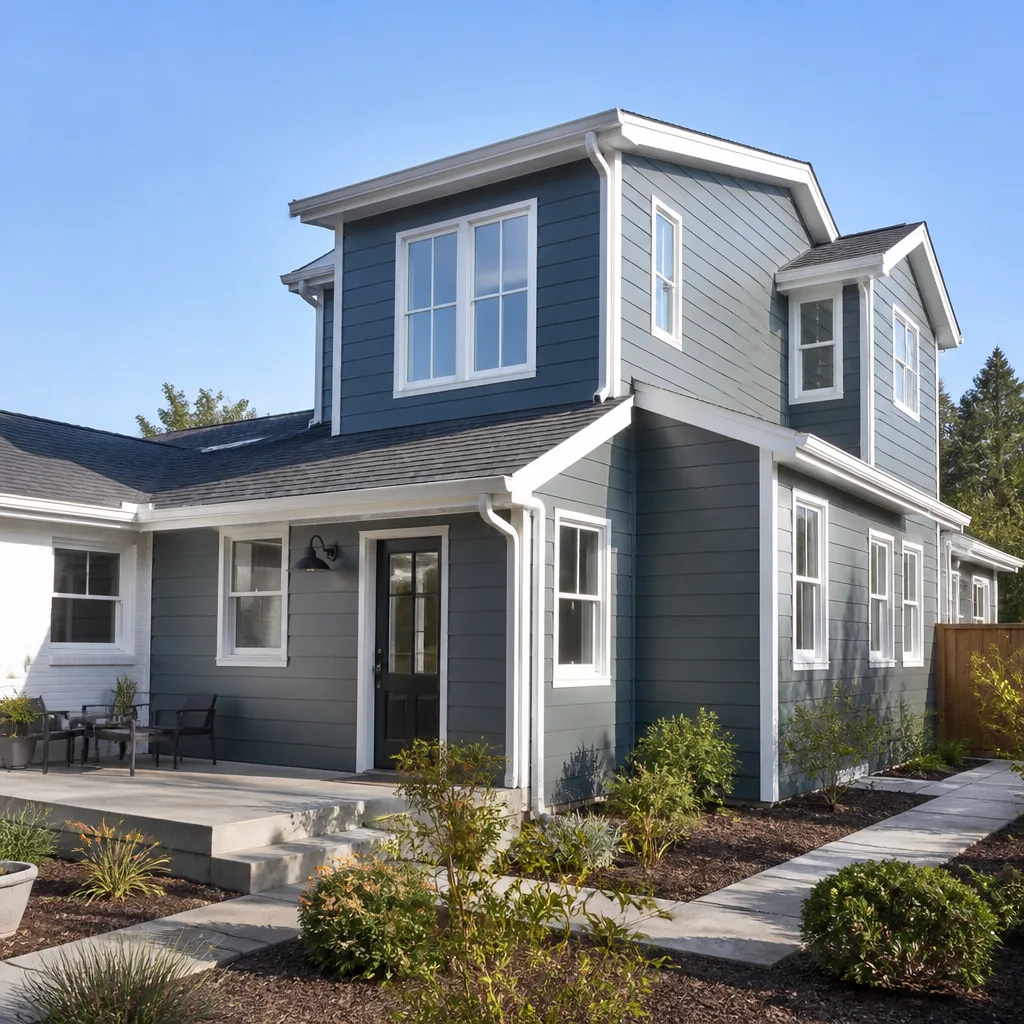
Ameristar doesn’t stamp model numbers on a whole-house addition the way a furnace manufacturer does. What matters is the construction method and the tie-in. We regularly work on Ameristar-built additions in Torrance’s older tract neighborhoods, north of Del Amo and down toward the Southwood area, where the original homes date to the 1950s and 60s. Those additions were often permitted as patio enclosures or sunrooms and later converted to living space without upgrading the footing or the roof connection.
For any Ameristar-related addition, the first thing we check is the load path: how the new roof ties into the existing ridge, whether the foundation is a proper stem wall or just a slab on grade, and what the city’s current setback requirements mean for your lot. Torrance planning has tightened ADU rules in recent years, but state law still overrides most local restrictions. That’s a real compatibility gotcha: a plan that passed review in 2019 may not pass under the current fire zone and drainage standards without modifications. We handle that paperwork, not you.
When it comes to OEM versus aftermarket for Ameristar components, the honest answer is that OEM designation matters far less on structural work than it does on mechanical parts. Lumber is graded, not branded. What matters is that the Simpson ties, shear panels, and anchor bolts meet current code. We spec those to the engineer’s drawing, every time.
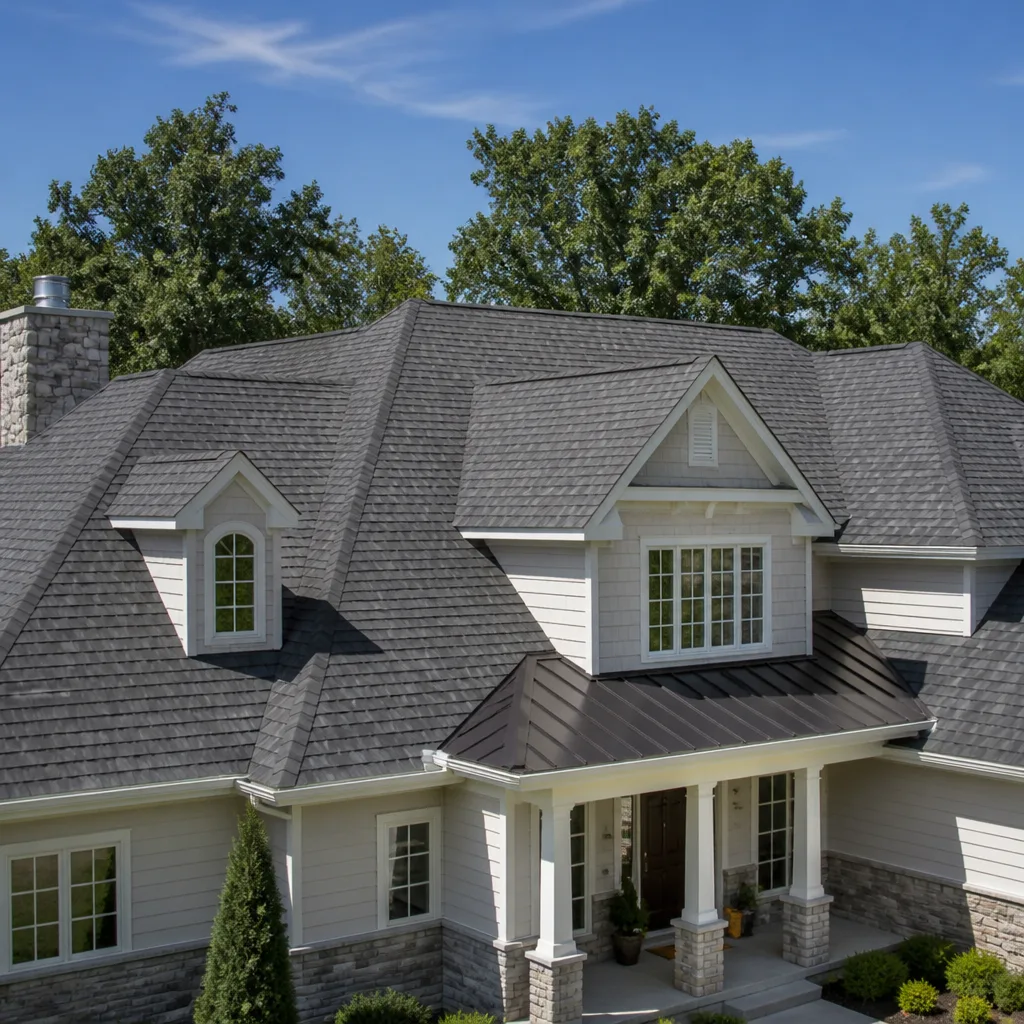
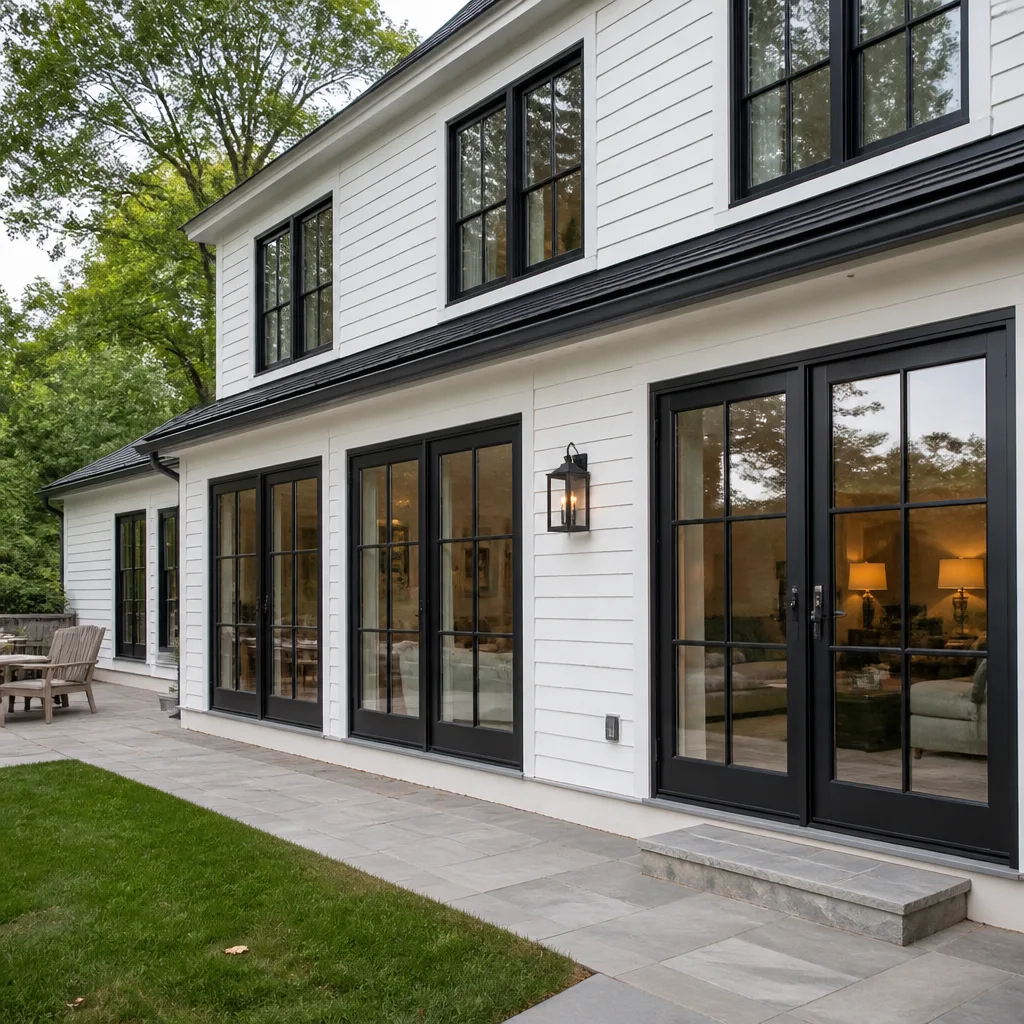
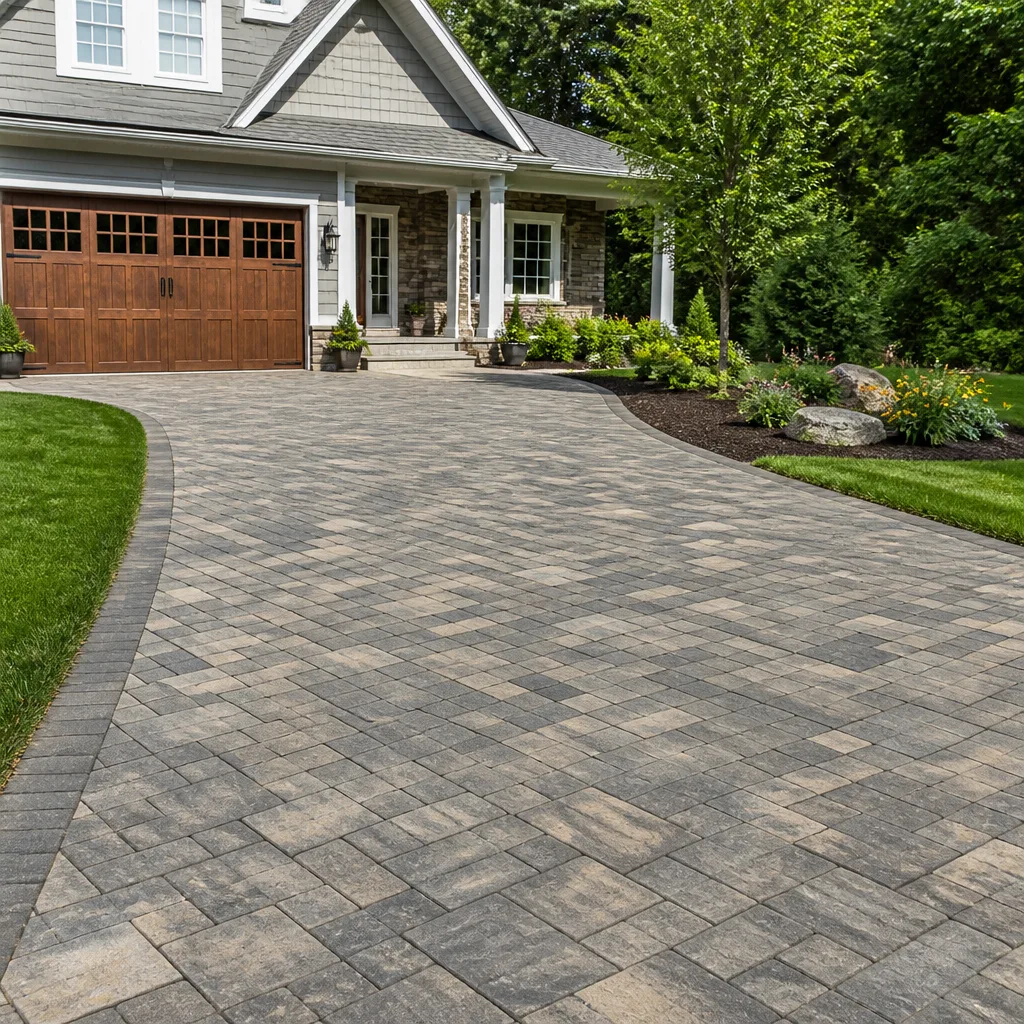
Styles & brands we work with
Signs Your Ameristar Home Additions & ADU Is Failing
- Drywall cracks at the tie-in point, usually above a door or window. The original addition wasn’t properly isolated from the main house, and differential settling has been pulling at the seam for years. In Torrance’s clay-heavy soil, this shows up more in wet winters when the ground swells.
- A visible step-down or slope in the floor where the addition begins. The original slab was poured thinner than the main house, or the perimeter footing wasn’t deep enough. You’ll feel it before you see it in most cases.
- Musty air or condensation on windows in the addition, especially mornings. The original vapor barrier was likely omitted or installed backward, which is common on older Ameristar-era sunroom conversions. Torrance’s marine layer makes this worse from May through July.
- Doors in the addition stick in summer and swing free in winter. That’s thermal movement in a frame that was never tied back with enough shear. It starts as an annoyance and ends as a structural issue if the wall racking continues.
- Electrical outlets in the addition trip breakers on the main panel regularly. The original subpanel was undersized or the wiring was run without dedicated circuits. We see this on roughly two out of every three older Torrance additions we inspect.
See the difference
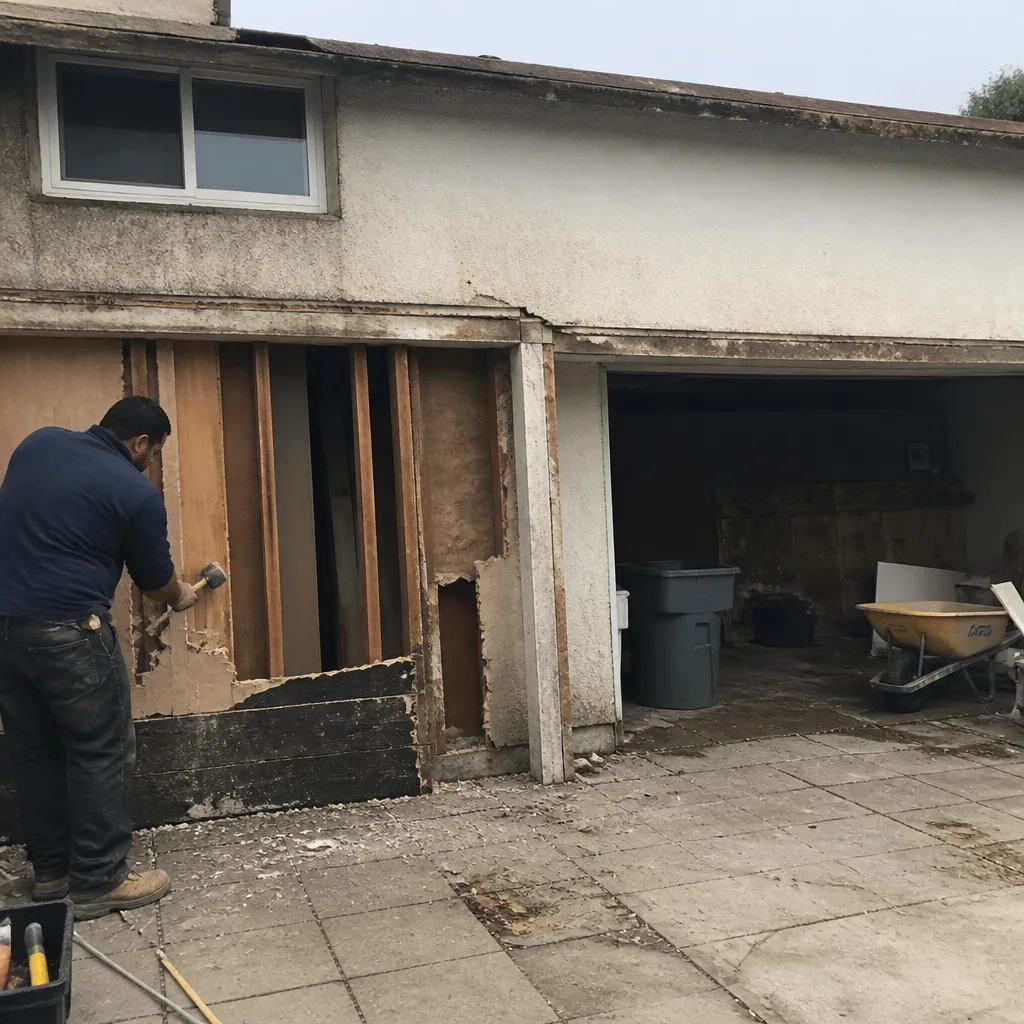 Before
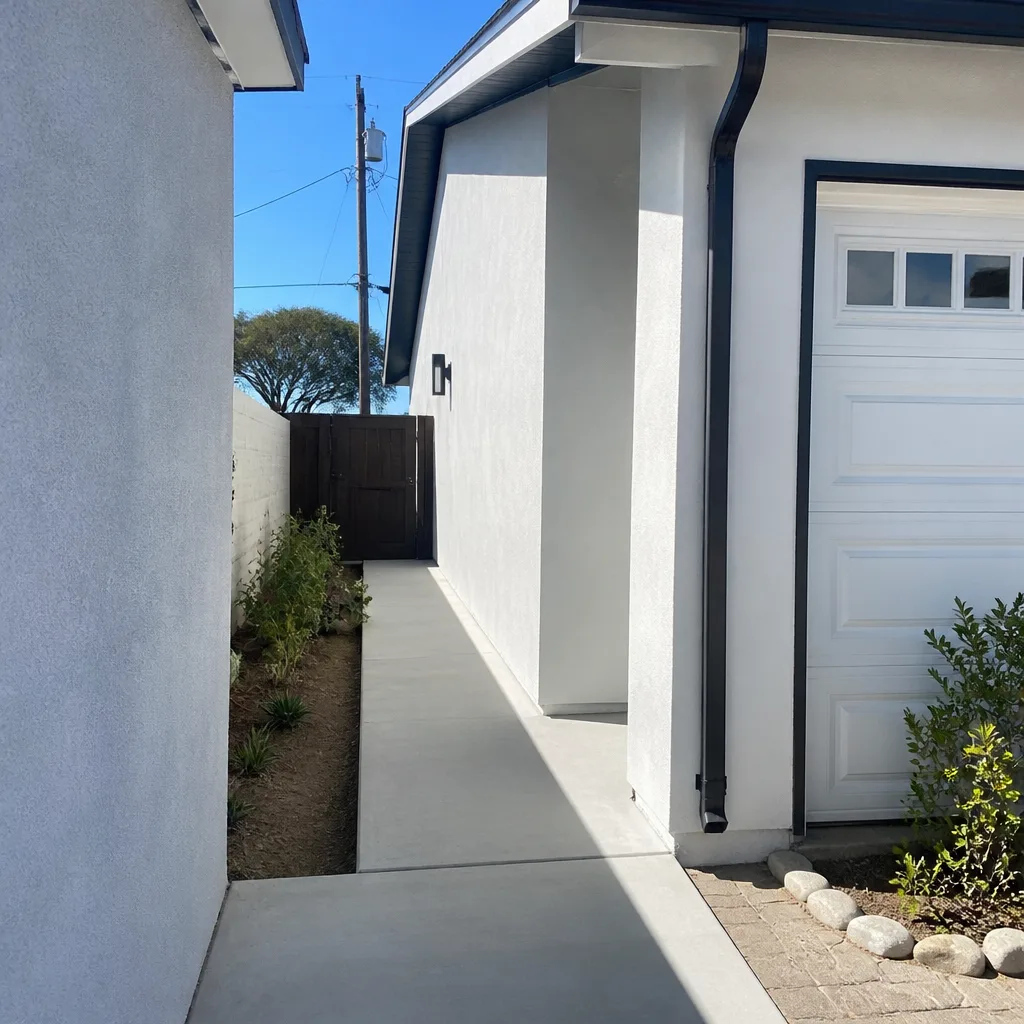 After
After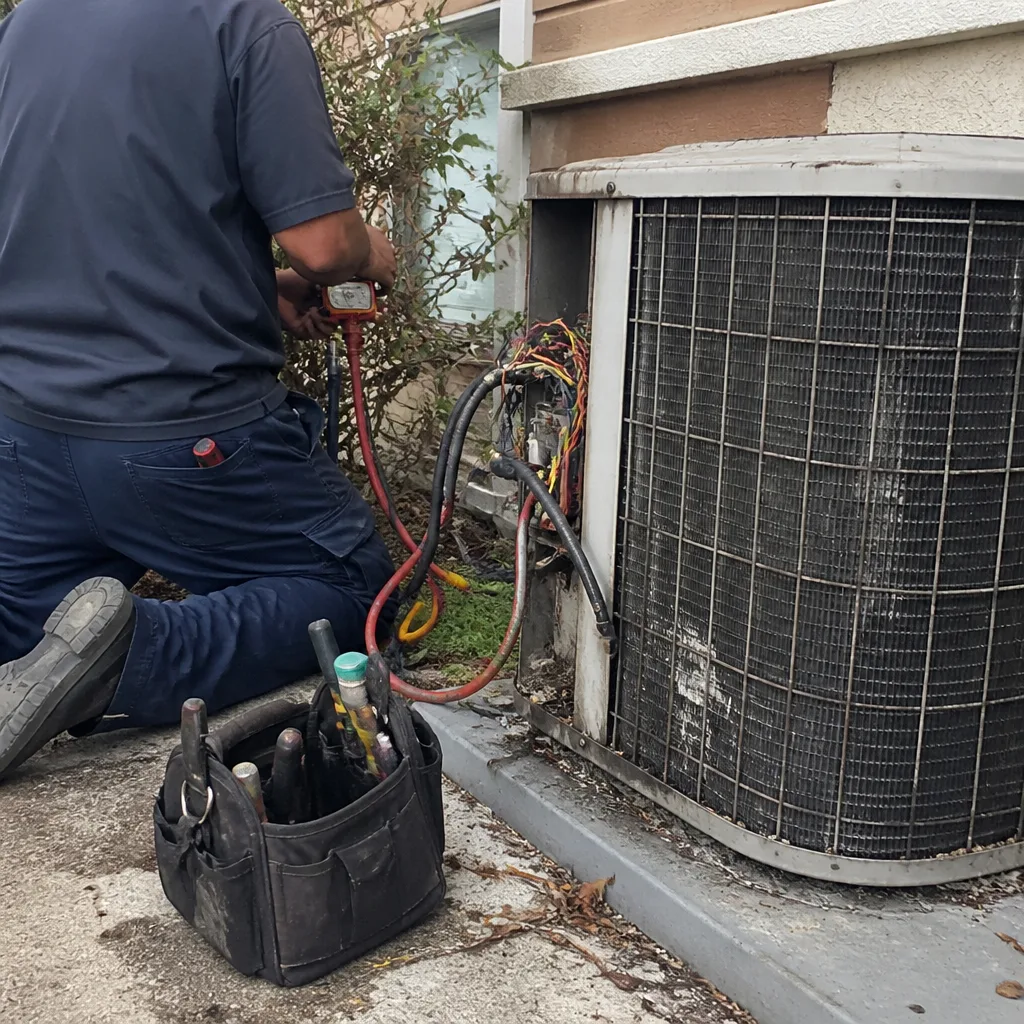 Before
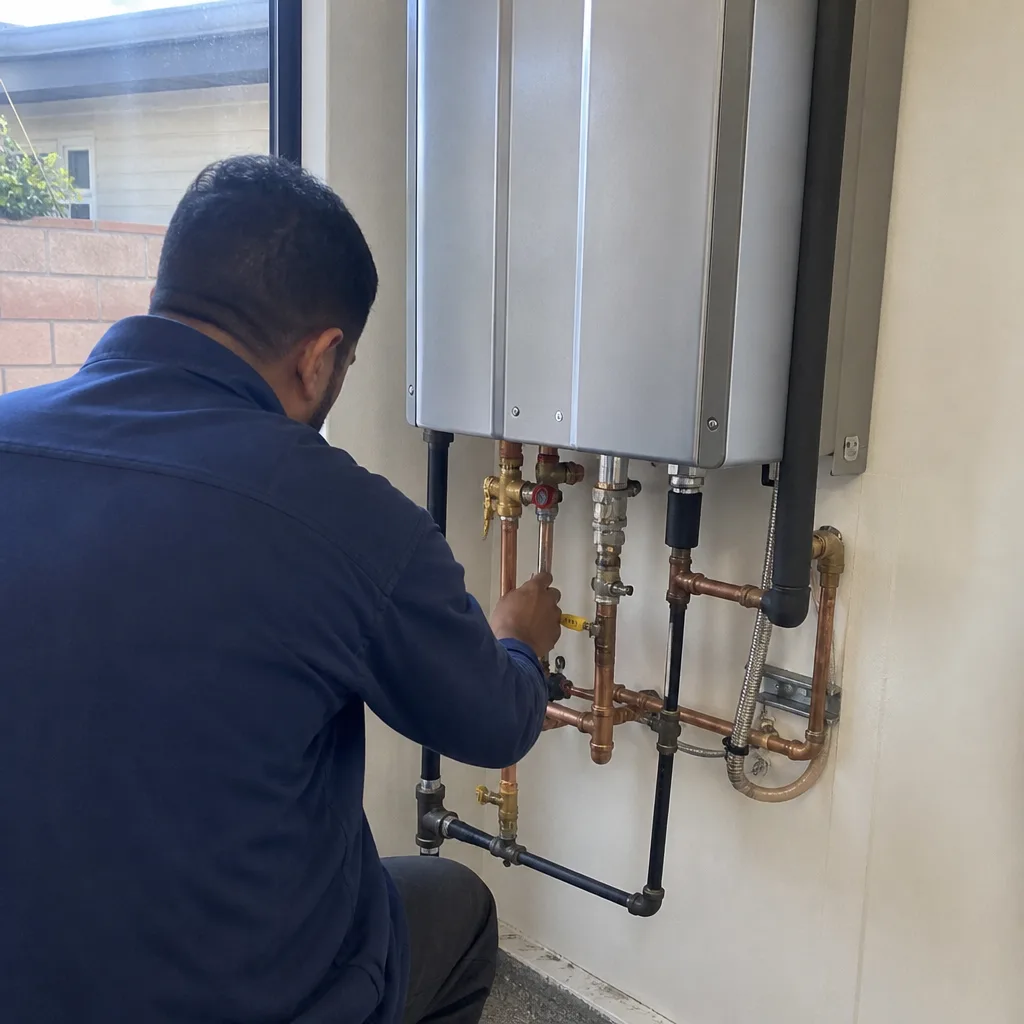 After
After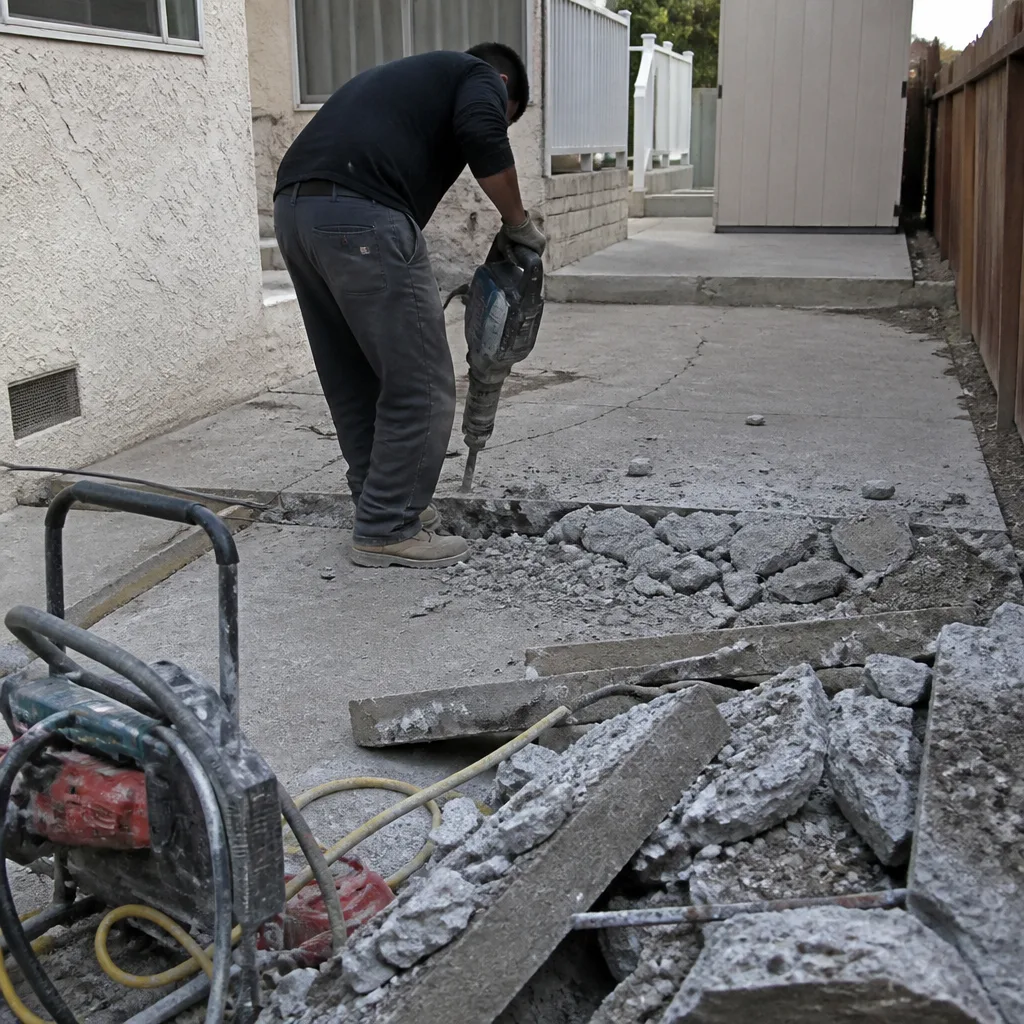 Before
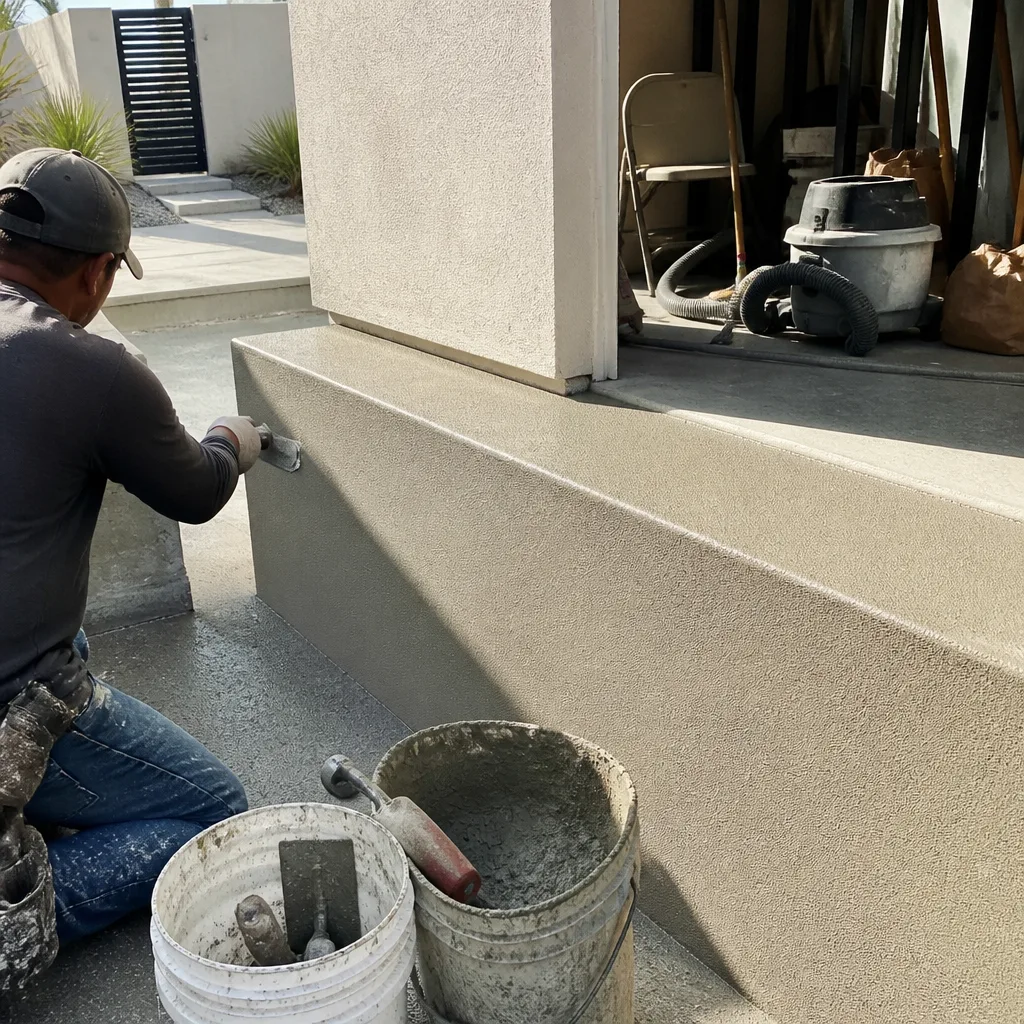 After
AfterReplacement Cost & What’s Included
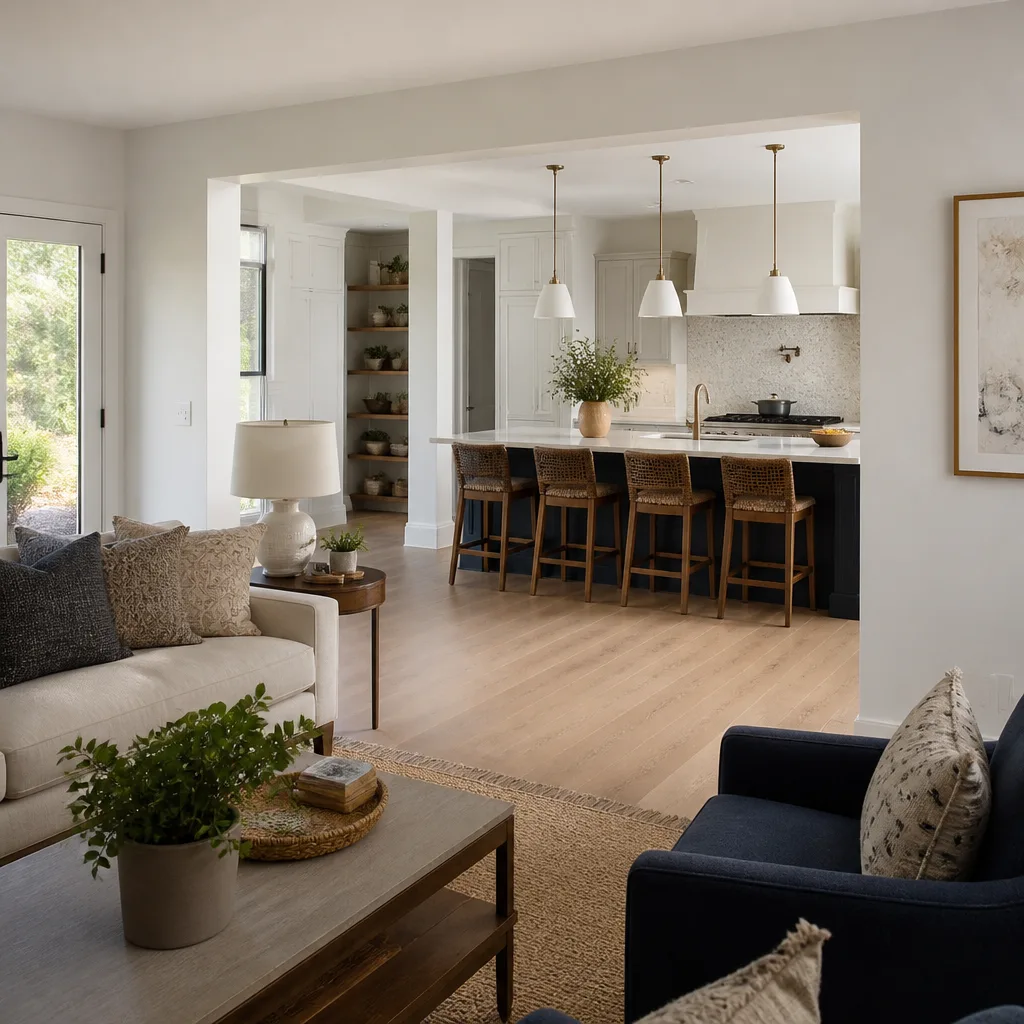
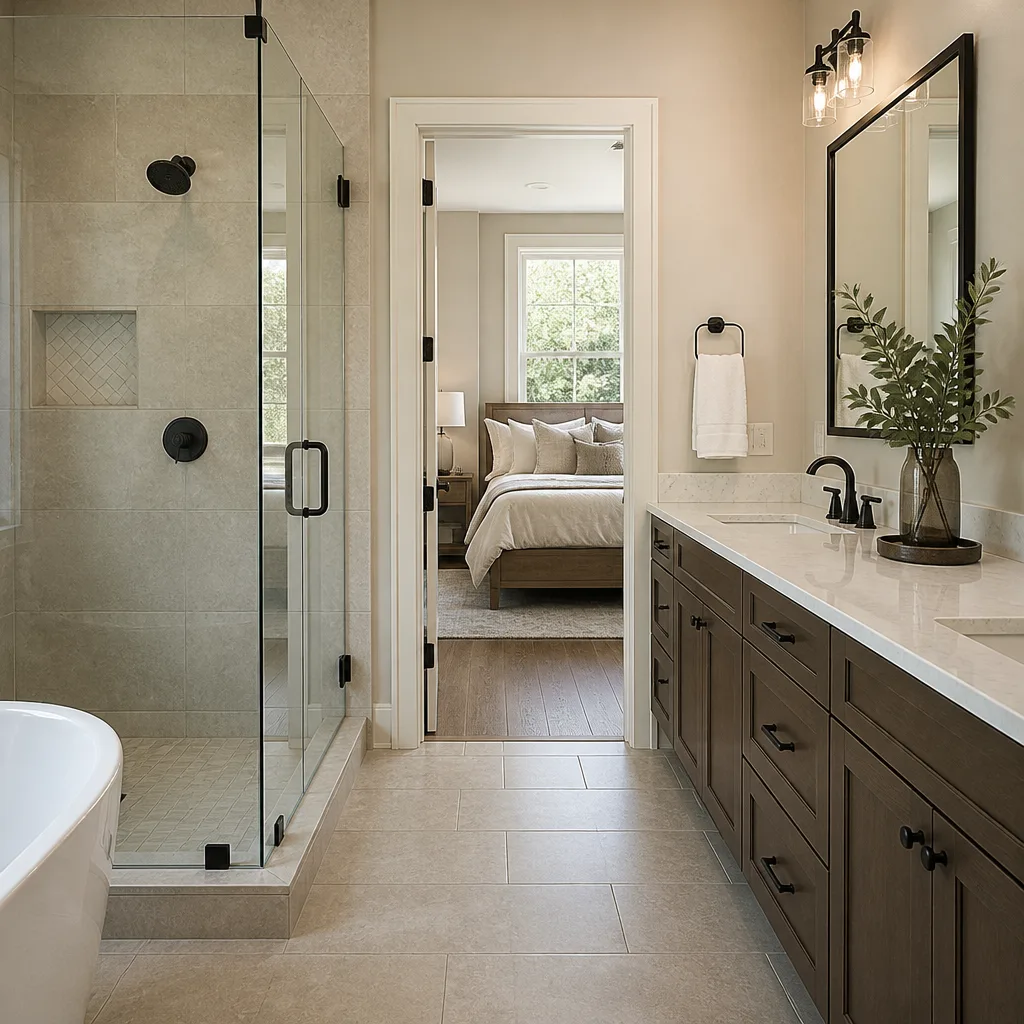
For a standard Ameristar-era home addition in Torrance, expect $45,000 to $130,000. That covers the engineering, permits, demo of the failing structure, new foundation work, framing, roofing tie-in, drywall, flooring, electrical, and the final inspection. The spread comes down to square footage, foundation type, and whether you’re rebuilding the whole addition or just the failing portions. ADU construction on a Torrance lot starts around $90,000 for a studio and climbs to $220,000 for a two-bedroom unit with a full kitchen and separate utility connections.
Every quote we write includes the parts, labor, haul-off, and permit fees as separate line items. You see the actual cost of the Simpson hardware, the lumber package, the roofing material, and the labor before you sign anything. No verbal estimate that grows by $20,000 halfway through. Our work carries the 365-Day Done Right Promise: if anything we built isn’t right within a year of completion, we fix it at no cost to you. That’s 365 days from the completion date, in writing.
DIY or Call Us?
You can check a few things yourself without risk. Look at the crack patterns: hairline cracks that don’t change over a season are usually cosmetic. Cracks wider than a quarter-inch at the tie-in, or any crack that grows after a wet month, are not. You can also check whether addition walls feel cold or damp in the mornings, which points to missing insulation or a failed vapor barrier.
What you should not do is open the wall to “see what’s going on.” The moment you cut into drywall on an older Torrance addition, you might hit unmarked electrical, compromised framing, or worse: a load path that was never properly transferred to the foundation. We’ve opened walls and found the entire addition roof resting on a single 2×4 nailed to the fascia. That’s not a scary story. That’s a Tuesday. If you suspect structural problems, call us. Isaac Pruett has spent two decades reading job sites in this city, and he’ll give you a straight answer before any tool comes off the truck. Call (424) 337-6939 for a free estimate.
FAQs
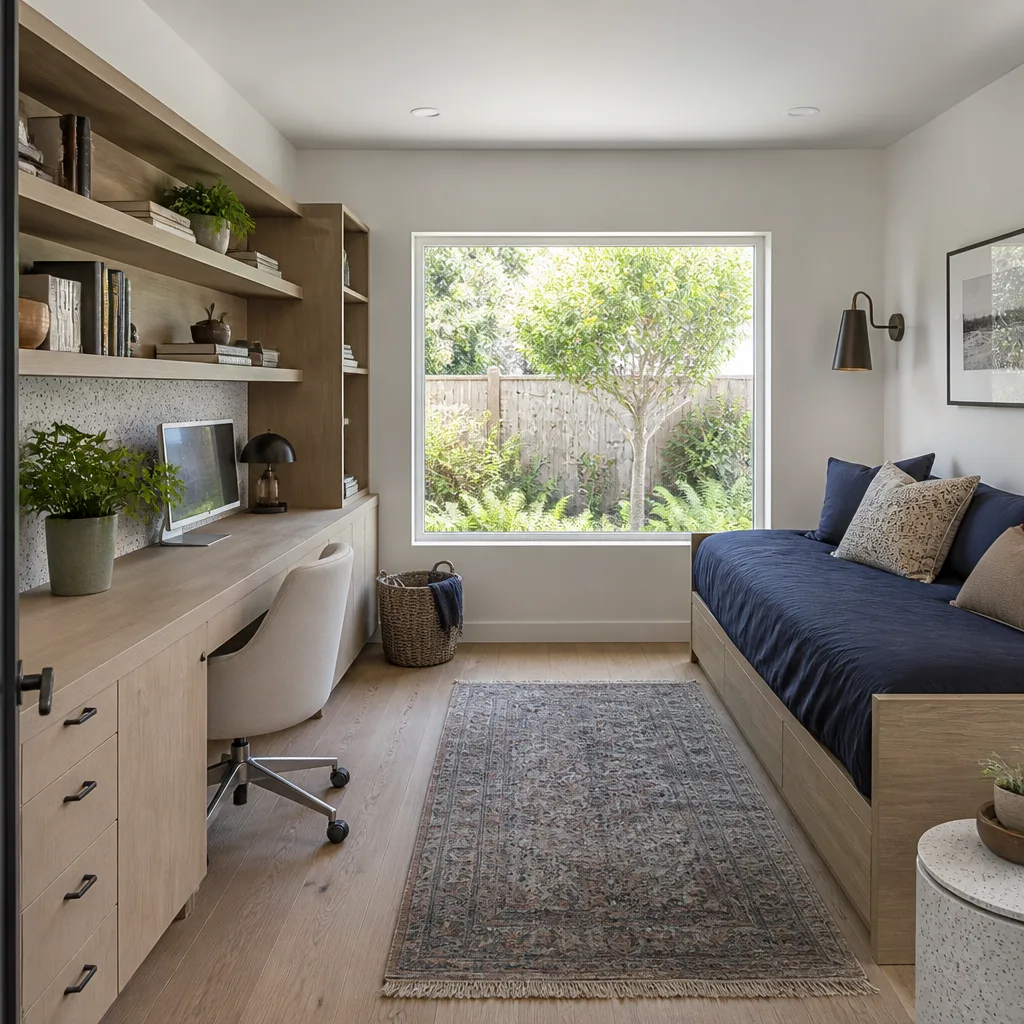
A properly built addition should last 50 to 80 years, but the weak point on Ameristar-era Torrance additions is the original tie-in and footing, which often fail within 20 to 30 years. We rebuild to current code, which means the new work will outlast the original by a wide margin. Call (424) 337-6939 to have us look at the structural details before you assume the whole thing needs to come down.
In many cases, yes. Foundation underpinning, shear panel retrofit, and roof tie-in correction can save a structurally sound addition. It depends on what we find when we open it up, and we’ll tell you honestly if repair money is better spent on a rebuild. Call (424) 337-6939 and we’ll give you that answer after a real inspection, not a guess.
Plan on 4 to 8 months for a typical Torrance ADU, including permit review time with the city. A straightforward rebuild of an existing addition runs 3 to 5 months. Weather for the South Bay is mild enough that we build year-round, with no real winter shutdown like you’d see in colder climates. Call (424) 337-6939 for a schedule that reflects your specific scope.
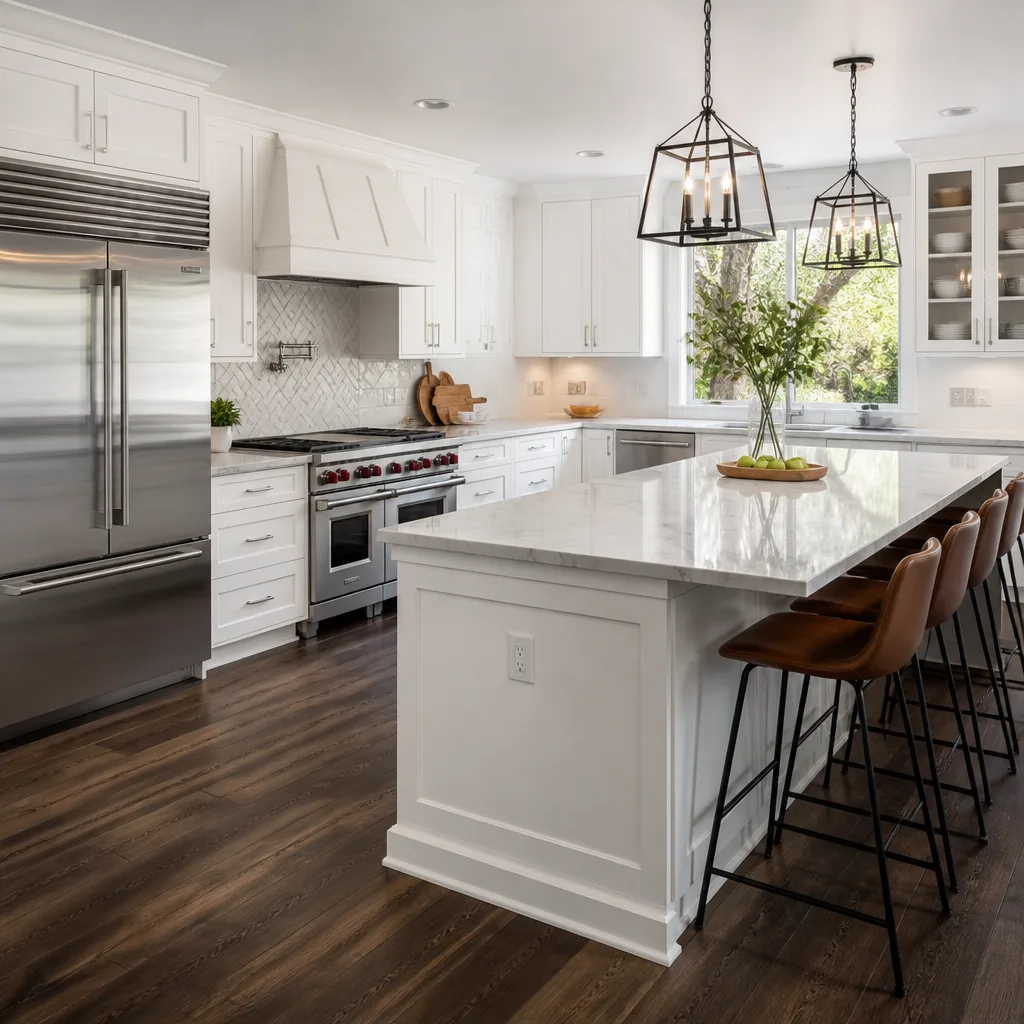
We keep structural hardware, flashing, fasteners, and common framing stock on hand from our supply partners, and we order project-specific materials like KraftMaid cabinetry, Cambria or Silestone countertops, and engineered lumber per job to match your plans exactly. For Ameristar-era additions, we often source specialty tie-in brackets and foundation hardware before demo starts so there’s never a delay mid-project. Call (424) 337-6939 and we’ll walk you through the material list for your specific build.
You should know what’s happening in your home before anyone starts work – that’s just the job. If you’re in Torrance and you’ve got an addition or ADU question, call (424) 337-6939. We answer the phone, we show up when we say we will, and the price you get in writing is the price you pay.
Written by Isaac Pruett, Owner, Mason Remodeling Co Torrance at Mason Remodeling Co Torrance, serving Torrance and nearby areas.