Free written scope consultation - allowances, timeline, and change-order rules on paper before a single trade is scheduled
Abodu Roofing: The Torrance Owner’s Guide
If you own an Abodu home in Torrance and the roofing system is showing wear, we stock and install Abodu-compatible roofing materials, with most repairs running between $400 and $1,800 and full replacements typically landing between $8,000 and $20,000 depending on roof size and material. Most Torrance owners discover a problem the same way: a water stain on the ceiling after a winter storm, granules collecting in the gutter, or a visible sag near a seam. We can usually get someone out within a day or two to assess what’s actually failing and give you a written number before any work starts.
Abodu homes use a factory-built roof assembly that gets craned into place and joined at the ridge, which means the failure points aren’t always where you’d expect them on a stick-built house. The roofing membrane and flashing details along those factory seams take the most stress, especially with Torrance’s coastal air pushing salt and moisture against exposed edges year-round. If you’re seeing signs of trouble, it’s better to know exactly what you’re dealing with before it becomes a drywall problem too.
Which Abodu Models This Applies To
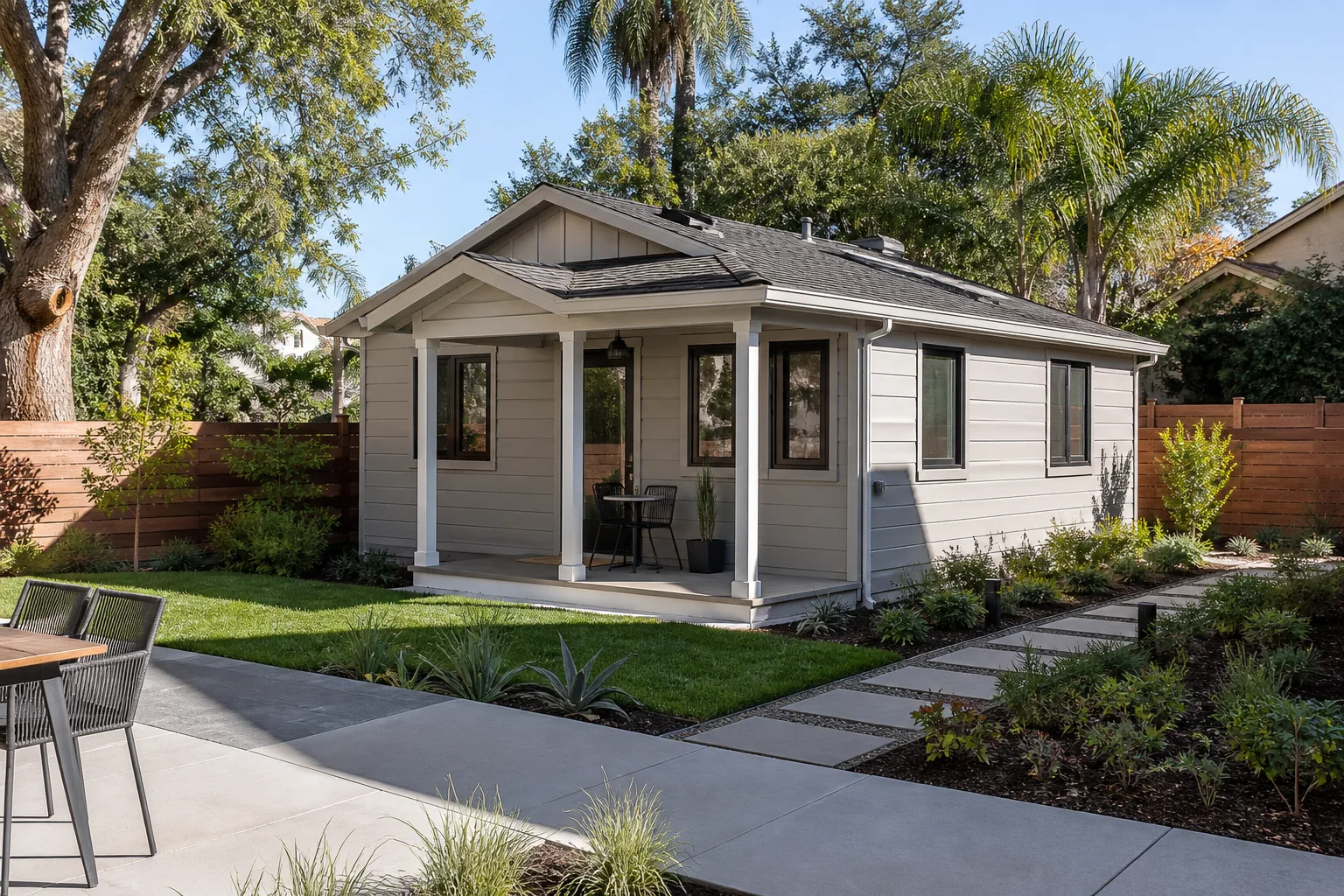
Abodu produces accessory dwelling units in a few core models, the Studio, the One Bedroom, and the Two Bedroom, and the roofing system is largely consistent across them: a low-slope or nearly flat roof assembly with either a TPO or modified bitumen membrane depending on the production year. The quickest way to identify what you have is to check the documentation packet Abodu provided at install, or look for a manufacturer stamp on the membrane itself near a roof edge or penetration. If you can’t find either, take a photo of the roof surface and the edge detail, and we can usually tell you what you’re working with from that alone.
One compatibility gotcha we see regularly in Torrance: Abodu roofs are designed to shed water at a very low slope, which means standard residential shingle products are not a correct replacement option. The membrane has to be rated for low-slope application, and the flashing details around the factory joints need to match the original system’s movement tolerances. We stock OEM-spec membrane and the quality aftermarket equivalents that meet the same ASTM low-slope standards, so you’re not waiting on a special order when a repair can’t wait. The factory seams are also where we see the earliest failures, because those are the points that flex during transport and settling, and they’re the hardest spots to get fully watertight if someone patches them without understanding how the panels move.
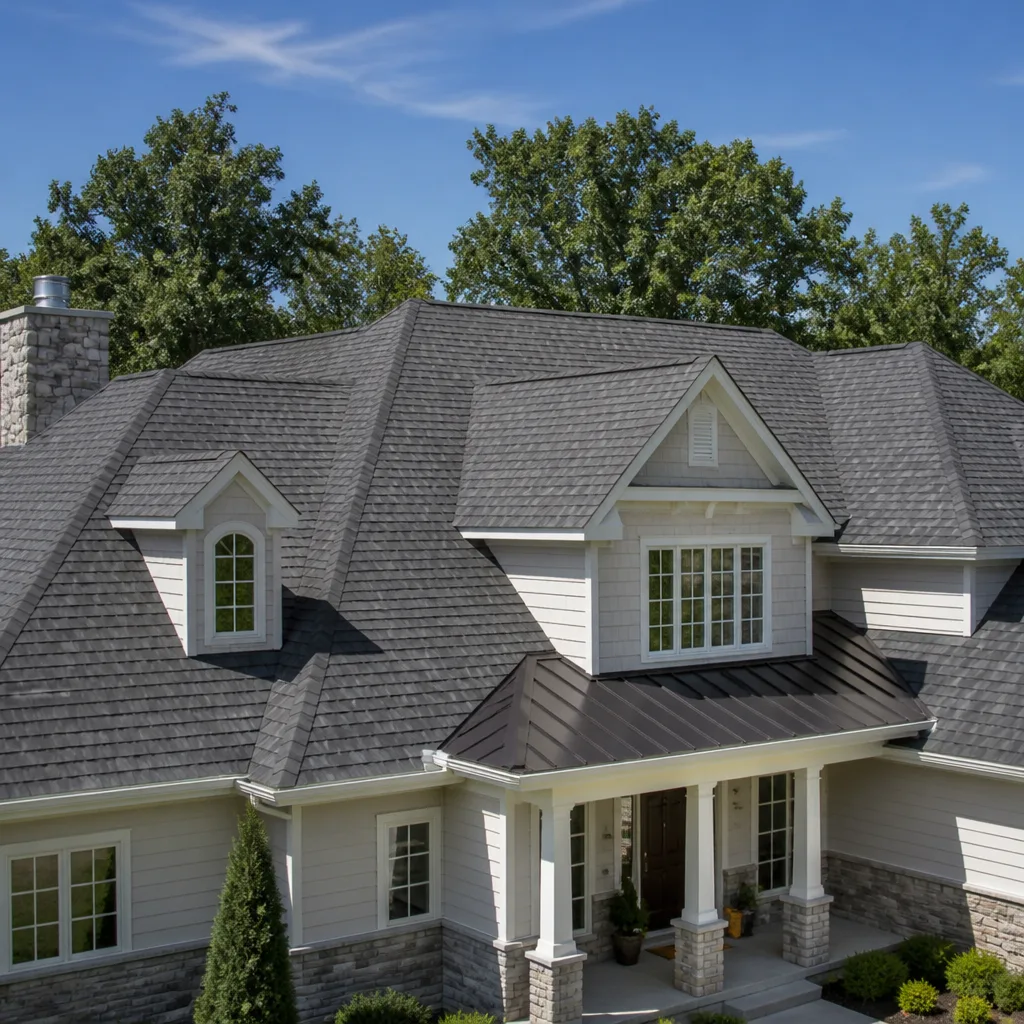
Styles & brands we work with
Signs Your Abodu Roofing Is Failing
- Water staining on interior ceilings or walls. This usually means the membrane has a breach somewhere uphill of the stain, often at a seam or a penetration like a vent pipe. Water travels along the roof deck before it drops, so the visible stain is rarely directly under the actual hole.
- Peeling or lifting at roof edges and seams. Abodu’s low-slope design concentrates wind uplift at the perimeter edge and factory joints. When the membrane starts to pull away there, water has an open entry point during the next rain.
- Ponding water that doesn’t drain after 48 hours. On an Abodu roof, standing water means the drainage plane has been compromised, either from a sagging panel or a clogged scupper. Membrane rated for low slope still breaks down faster under constant submersion.
- Blisters or bubbles in the membrane surface. These form when moisture gets trapped between membrane layers, usually from a small puncture that lets water in but not out. They may look cosmetic, but they’re a sign the membrane is delaminating.
- Granules from a modified bitumen roof collecting in gutters. If your Abodu has a granulated cap sheet, losing granules means the UV-protective layer is eroding away. Once that’s gone, the asphalt underneath breaks down quickly under Torrance’s sun exposure.
See the difference
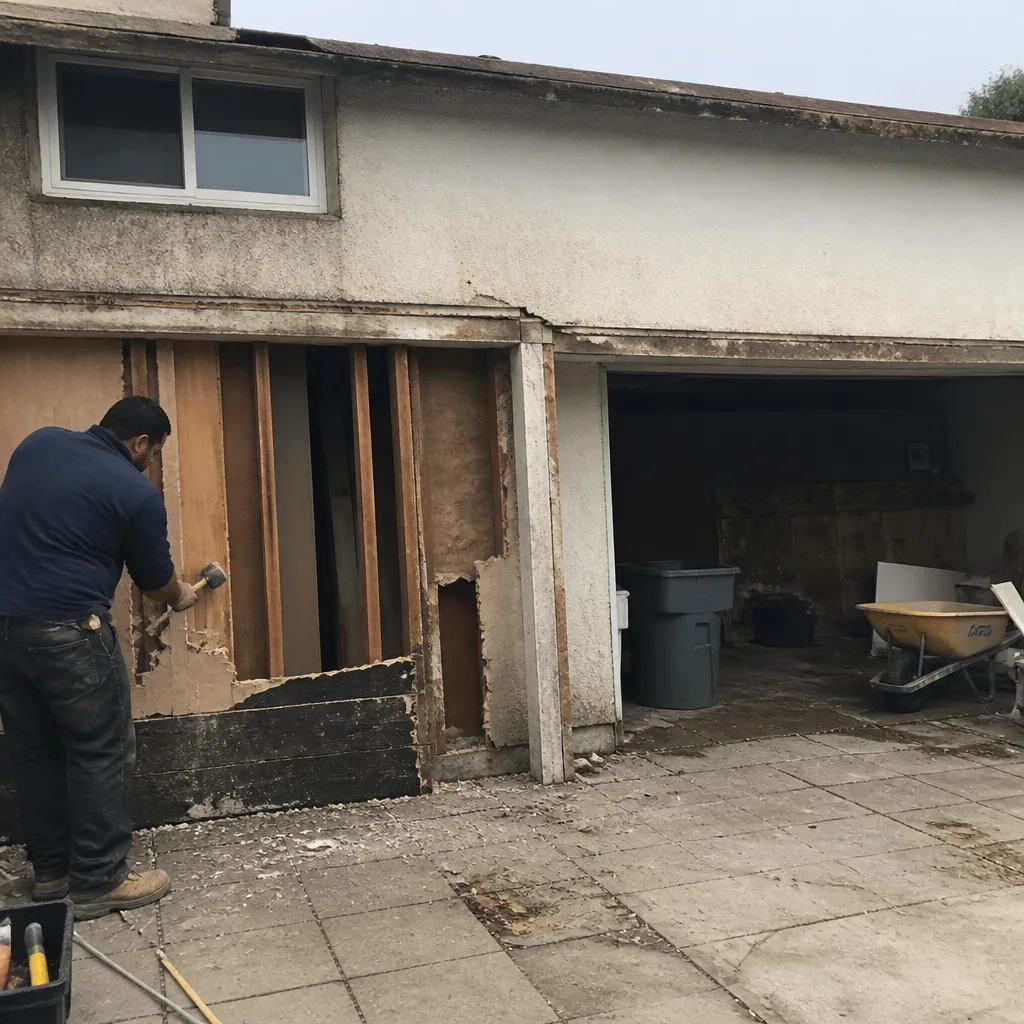 Before
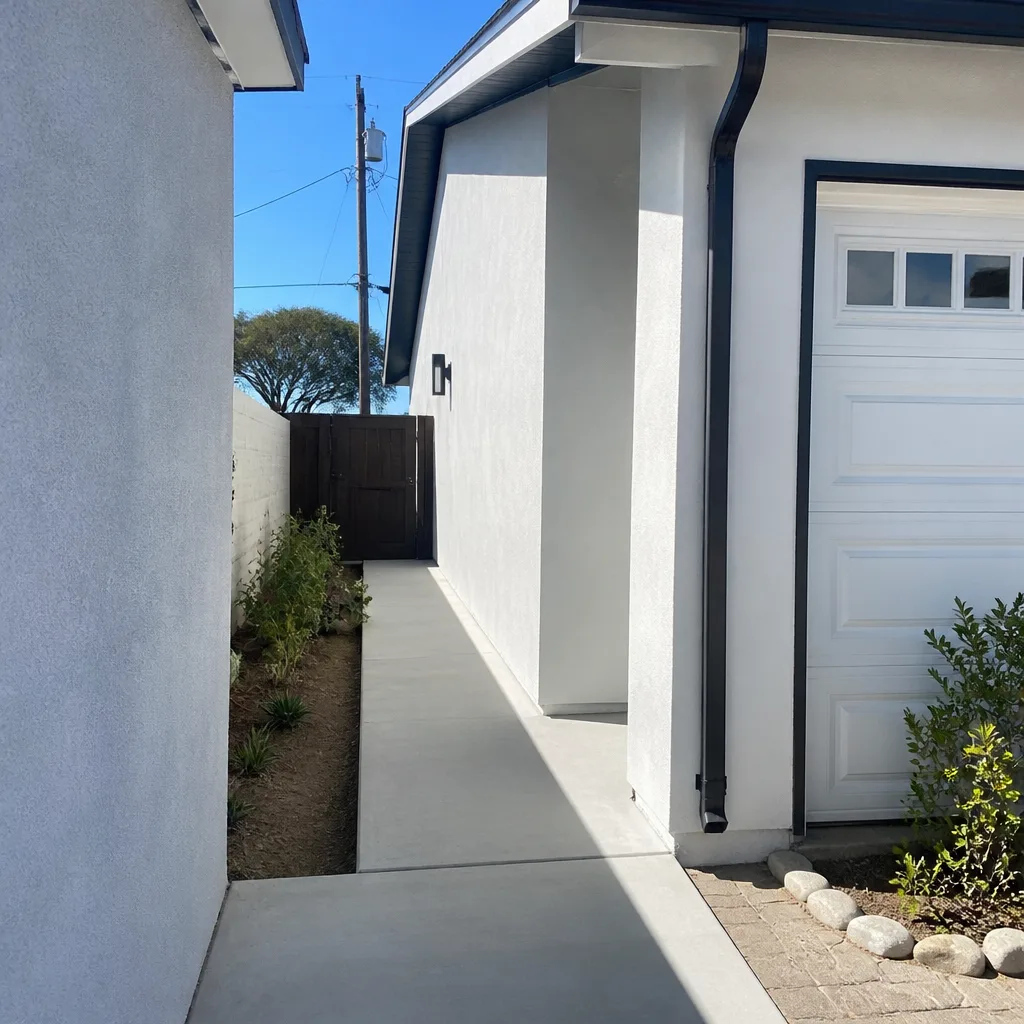 After
After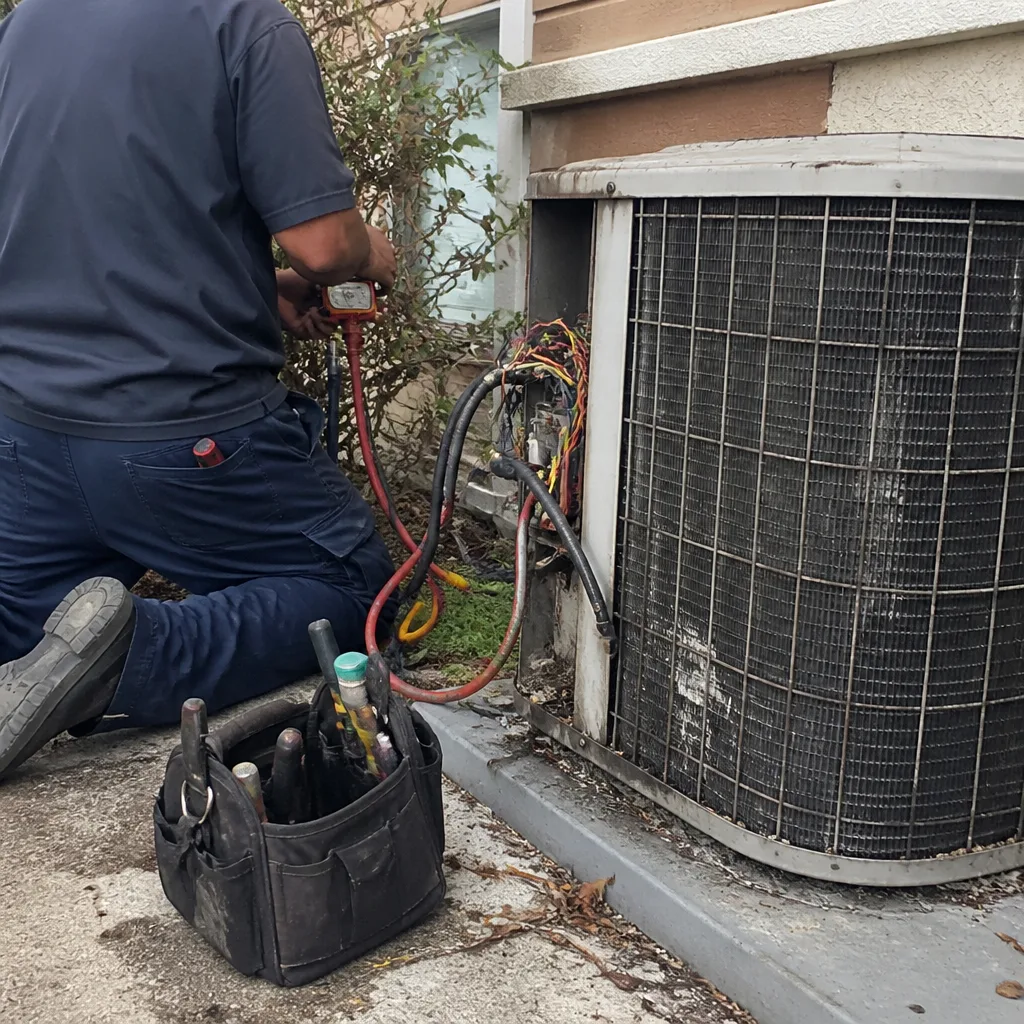 Before
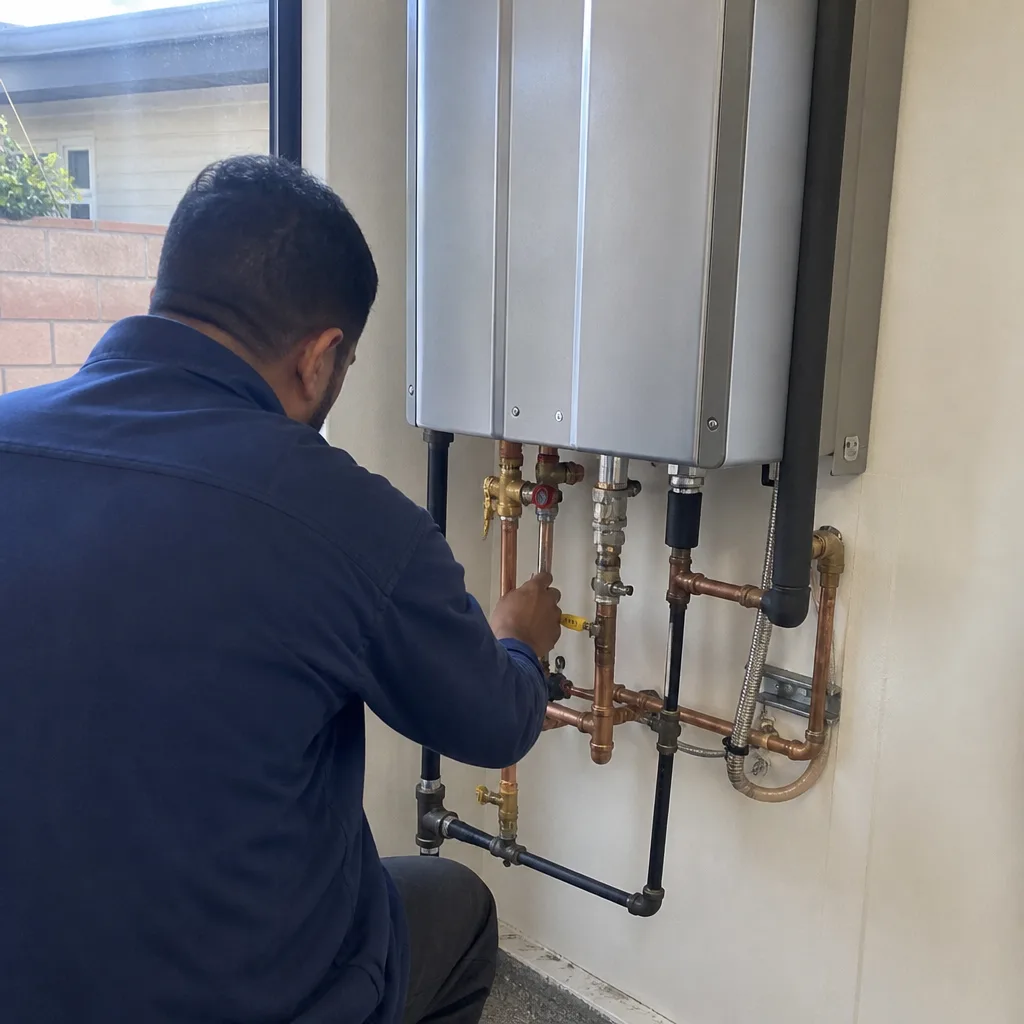 After
After Before
 After
AfterReplacement Cost & What’s Included
For Abodu roofing in Torrance, a targeted repair like resealing a failing seam or replacing a damaged pipe boot runs between $400 and $1,800. A full membrane replacement on an Abodu unit typically lands between $8,000 and $20,000, driven by roof square footage, whether the existing membrane has to be fully torn off or can be overlaid, and whether any underlying roof deck panels need replacement from water damage. The bigger number isn’t the roof membrane itself; it’s the labor to properly address the factory seams and edge details that make an Abodu roof different from a standard house roof.
Every quote we write includes the membrane material, fasteners, sealants, flashing, and the labor to do it correctly. You get a written price before we start, and the number on that paper is the number you pay, no change orders unless you ask us to expand the scope. The work is covered by our 365-Day Done Right Promise, which means if anything isn’t right within a year of completion, we come back and fix it at no charge.
DIY or Call Us?
You can safely check a few things from the ground: look for visible tears, lifted edges, or debris blocking drainage, and check your gutters for unusual granule buildup. If you can access the roof safely from a ladder without getting onto the surface, you can also photograph any areas that look suspect so you have a record for comparison.
What you shouldn’t do is get onto an Abodu roof and start applying sealant or patching membrane. Low-slope roofing requires specific surface preparation, compatible primers, and correct seam detailing to actually hold. A homeowner-grade patch often makes the eventual professional repair more expensive, because we have to remove the failed patch material before we can do the job right. If you see anything concerning, call us at (424) 337-6939 and we’ll assess it properly. The estimate is free.
FAQs
An Abodu roof membrane in Torrance’s coastal climate typically lasts 12 to 20 years, with the lower end of that range applying to units with direct sun exposure and minimal shade. The factory seams are usually the first area to need attention, often around year 8 to 12. Call (424) 337-6939 if you’d like us to assess where your roof is in that timeline.
Yes, if the failure is localized, a seam, a penetration, or a small puncture, a targeted repair in the $400 to $1,800 range is usually the right call and can add years to the roof’s life. If the membrane is brittle across large areas or multiple seams are failing, replacement becomes the smarter financial move. We’ll tell you honestly which one you actually need.
A seam repair or pipe boot replacement is usually done in half a day on site, while a full membrane replacement on an Abodu unit typically takes two to four days depending on weather and whether deck panels need replacing. You’ll get a clear timeline in your written quote before we start. Call (424) 337-6939 to schedule an assessment.
Yes, we keep Abodu-compatible low-slope membrane, seam tape, flashing, and sealants on hand so most repairs don’t require waiting on a special order. We also stock parts for KraftMaid, Cambria, and Silestone products, which makes us useful when an Abodu owner has interior finishes that need attention too. Call (424) 337-6939 and we’ll confirm we have what your roof needs.
Written by Isaac Pruett, Owner, Mason Remodeling Co Torrance at Mason Remodeling Co Torrance, serving Torrance and nearby areas.