



Free written scope consultation - allowances, timeline, and change-order rules on paper before a single trade is scheduled
Plant Prefab Roofing: The Torrance Owner’s Guide
Plant Prefab roofing replacement in Torrance typically runs $800 to $1,800 for a targeted repair and $8,000 to $20,000 when a full re-roof is needed. We stock Plant Prefab-compatible roofing materials on our trucks and can usually diagnose the issue on the first visit. Most Torrance homeowners discover the problem the same way: a water stain on the ceiling after a heavy rain, or a section of roofing material that lifted during Santa Ana winds and never settled back down.
What makes Plant Prefab roofs different is how they’re built. The panels arrive pre-assembled from the factory, which means seams, flashing points, and attachment details are factory-specified rather than field-invented. When something fails, it’s usually at one of those transition points: where the roof meets a wall, where two panels join, or where a penetration was cut for a vent or skylight. Get the underlying part wrong and you’re chasing the same leak every winter. Get it right and the repair holds for years. That’s the whole job, honestly.
Which Plant Prefab Models This Applies To
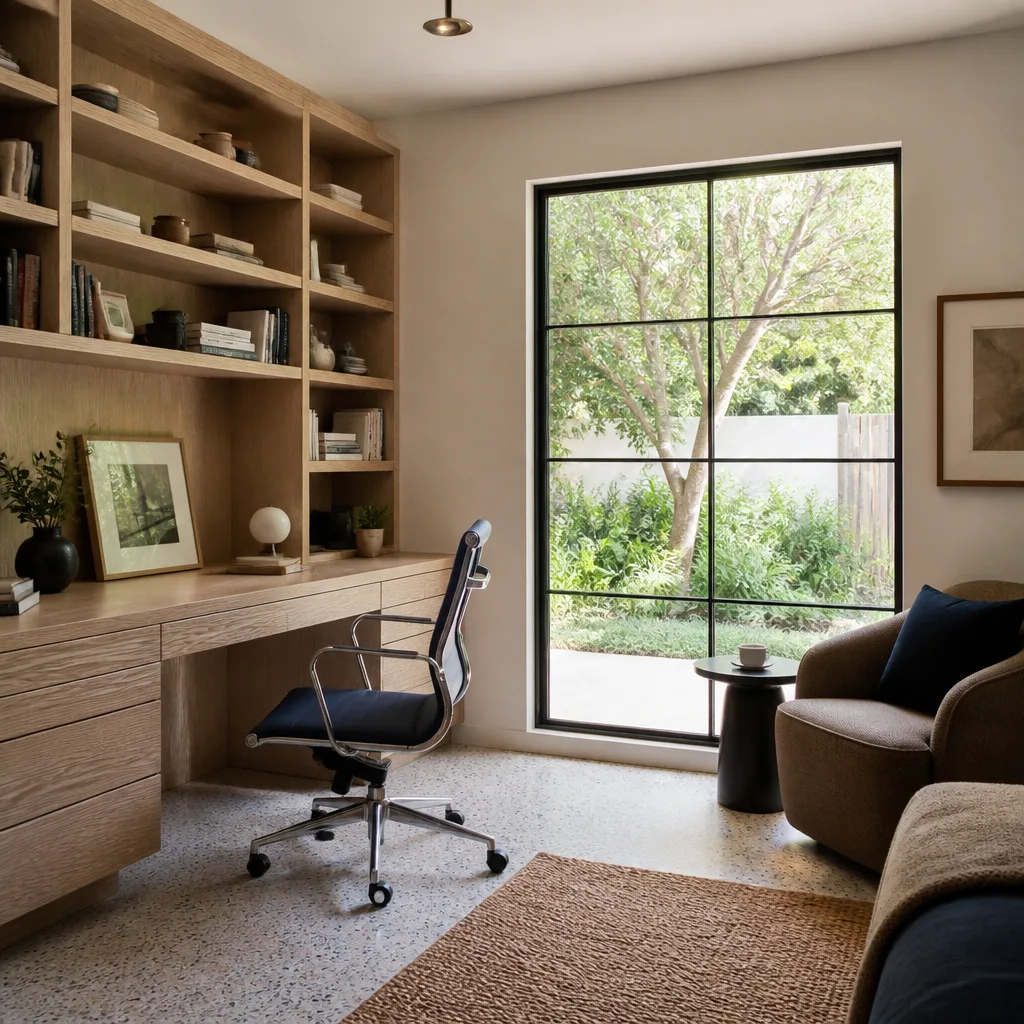
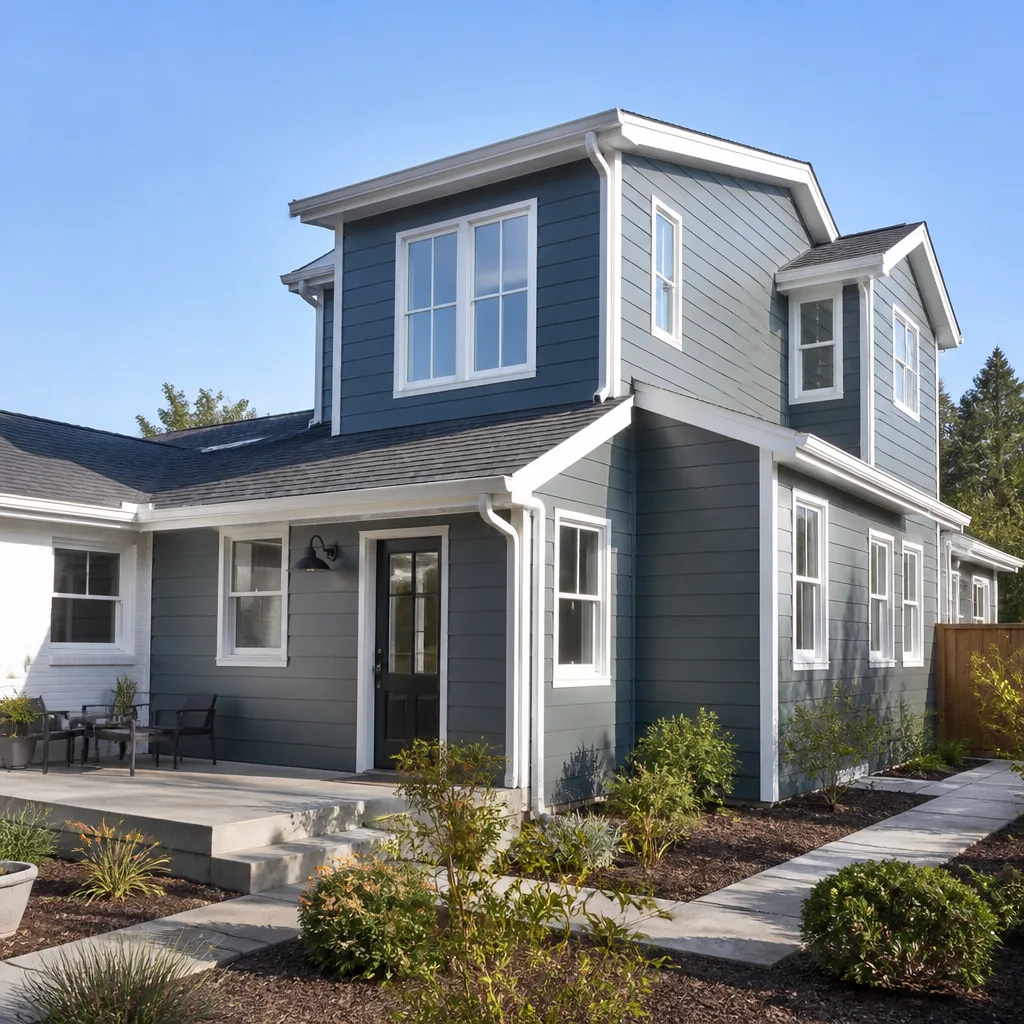
Plant Prefab has shipped homes under a few distinct roofing approaches depending on the model and build year. The LivingHome series, which is what most Torrance owners have, typically uses either a flat or low-slope membrane roof system or a standing-seam metal panel roof. The YB-series and accessory dwelling units lean toward the membrane systems. The key compatibility gotcha: peel-and-stick underlayment and flashing details are matched to the specific membrane or panel profile, not just the roof size. A generic patch job almost always fails at the edges because the adhesive chemistry or the metal gauge doesn’t match what the factory specified.
When our crew arrives, the first thing we do is look for the build plate or panel label, usually in the mechanical closet or on the underside of a roof panel inside the attic access point. From there we confirm the membrane type (TPO, PVC, or modified bitumen) or the panel manufacturer and gauge. For OEM parts, Plant Prefab works through regional distributors, and lead times vary. For most repairs we recommend quality aftermarket equivalents that meet or exceed the original spec: GAF and CertainTeed make membrane and flashing systems that cross-match cleanly to most Plant Prefab roof assemblies. Isaac Pruett has been doing this long enough to know when an OEM part genuinely matters and when a spec-matched equivalent saves the homeowner two weeks of waiting and several hundred dollars. We’ll tell you which is which before any work starts.
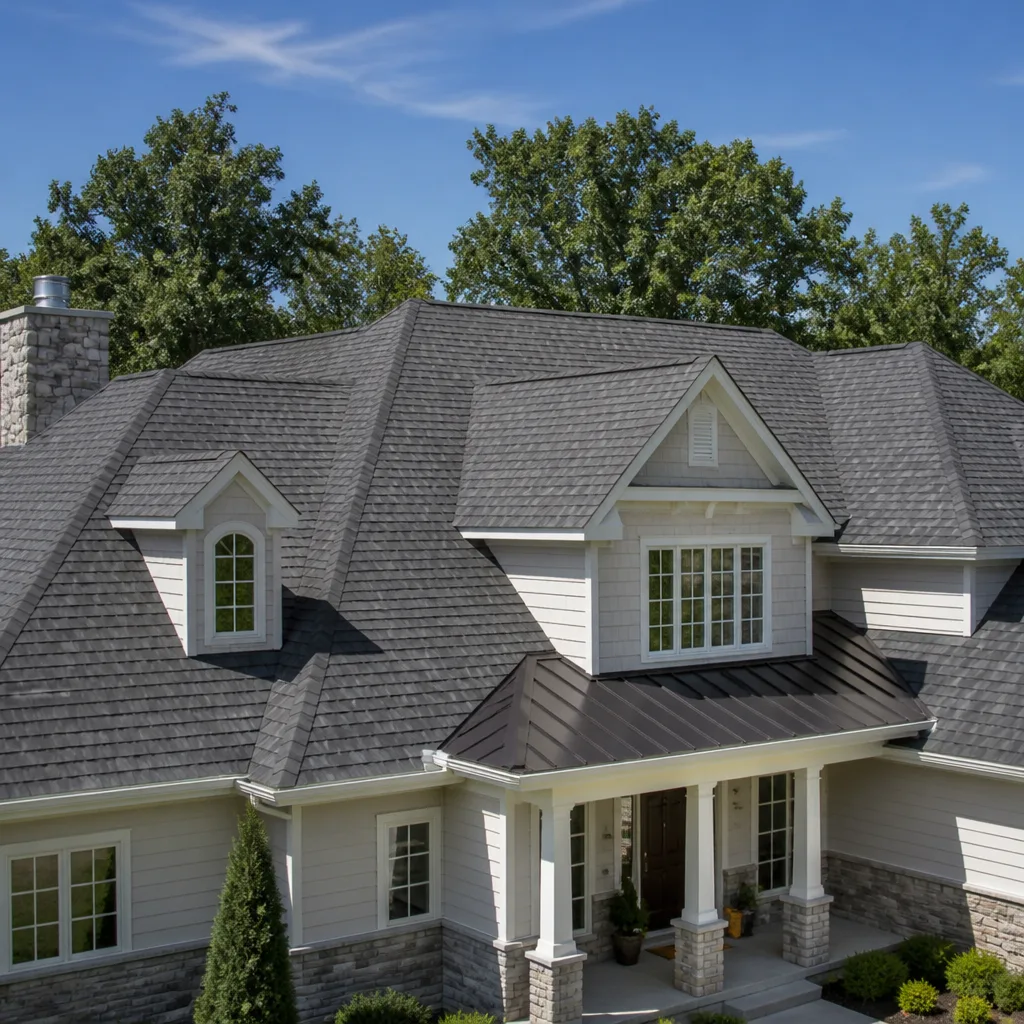
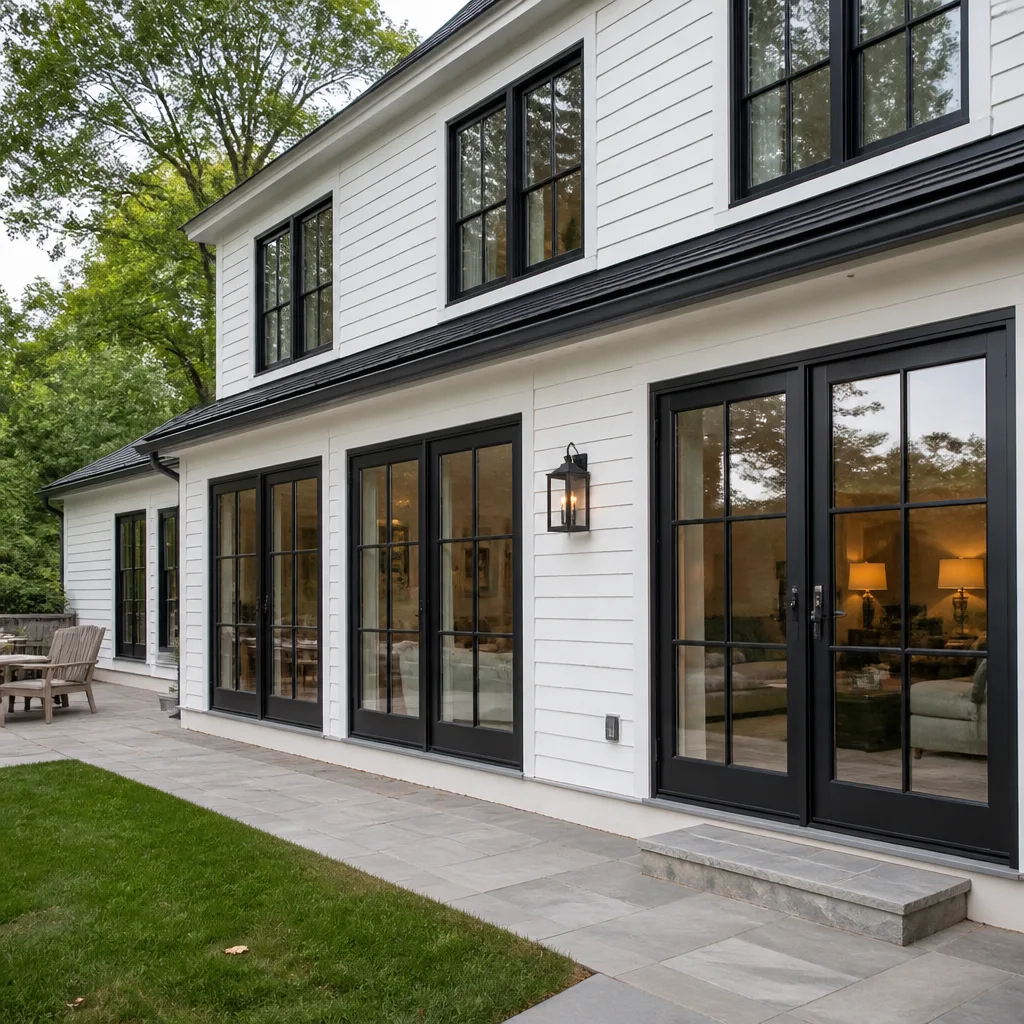
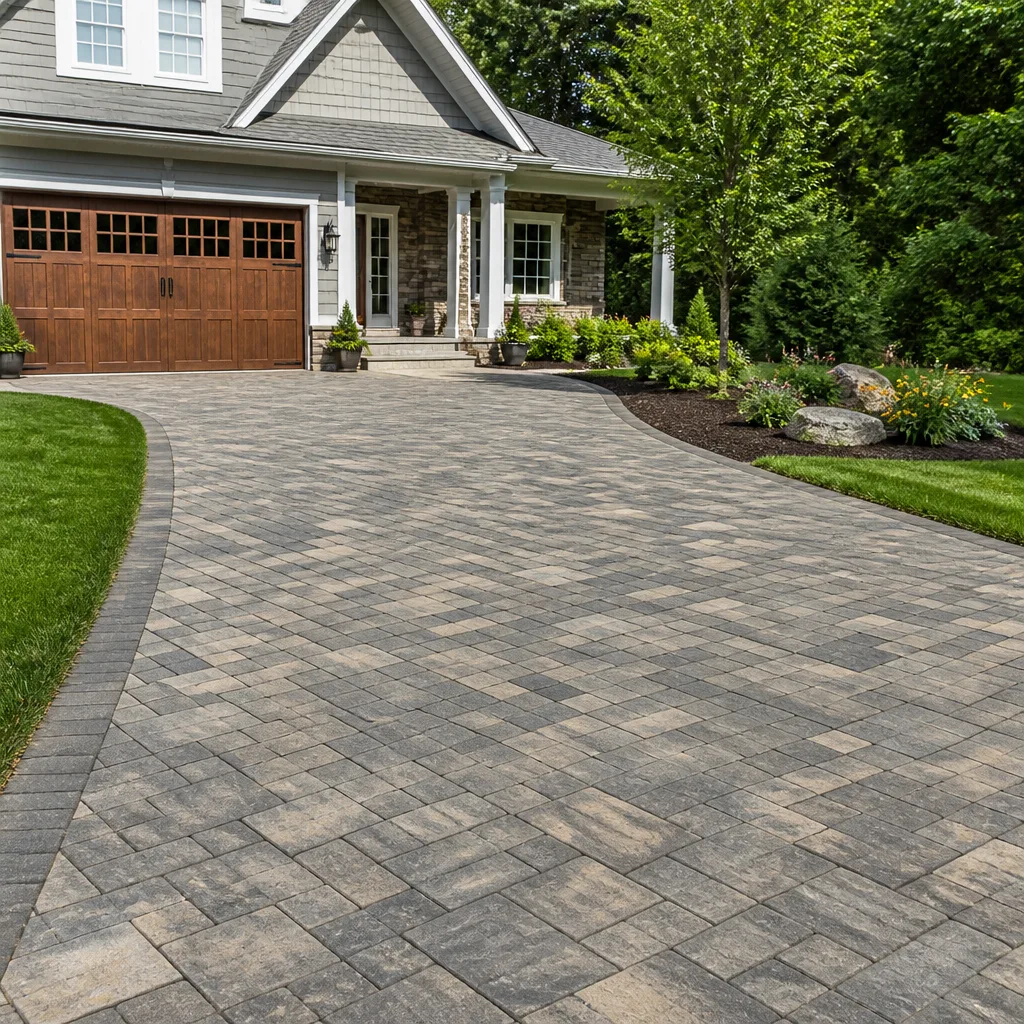
Styles & brands we work with
Signs Your Plant Prefab Roofing Is Failing
- Water staining on interior ceilings or walls, especially after rain. On Torrance homes this commonly traces to a failed seam or flashing point, not the roof membrane itself. The fix is usually localized, not a full replacement.
- Visible lifting or billowing at panel edges during wind events. Santa Ana winds test every seam. If you see a section lift and flap, the adhesive or mechanical fastening at that edge has degraded and water gets in during the next storm.
- Granules collecting in gutters or downspouts. On membrane systems with a granular surface, this means the top layer is breaking down from UV exposure, something we see a lot in Torrance where the sun is aggressive year-round.
- Ponding water that doesn’t drain within 48 hours. Low-slope Plant Prefab roofs can develop low spots over time as the structure settles. Standing water accelerates membrane breakdown and shortens roof life significantly.
- Musty smell in the attic or visible daylight through the roof deck. Either means the roof assembly has been compromised for a while. By the time you smell it, the repair scope is bigger than a simple patch.
See the difference
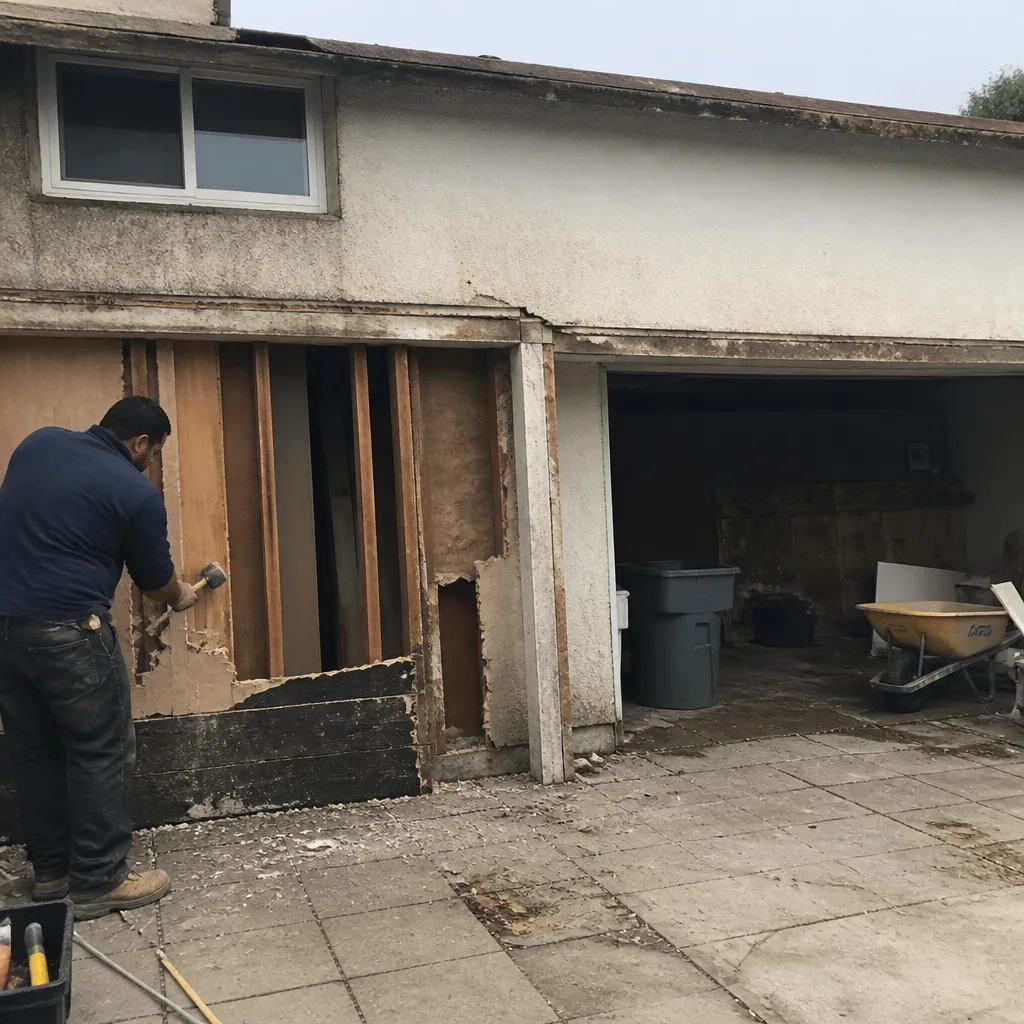 Before
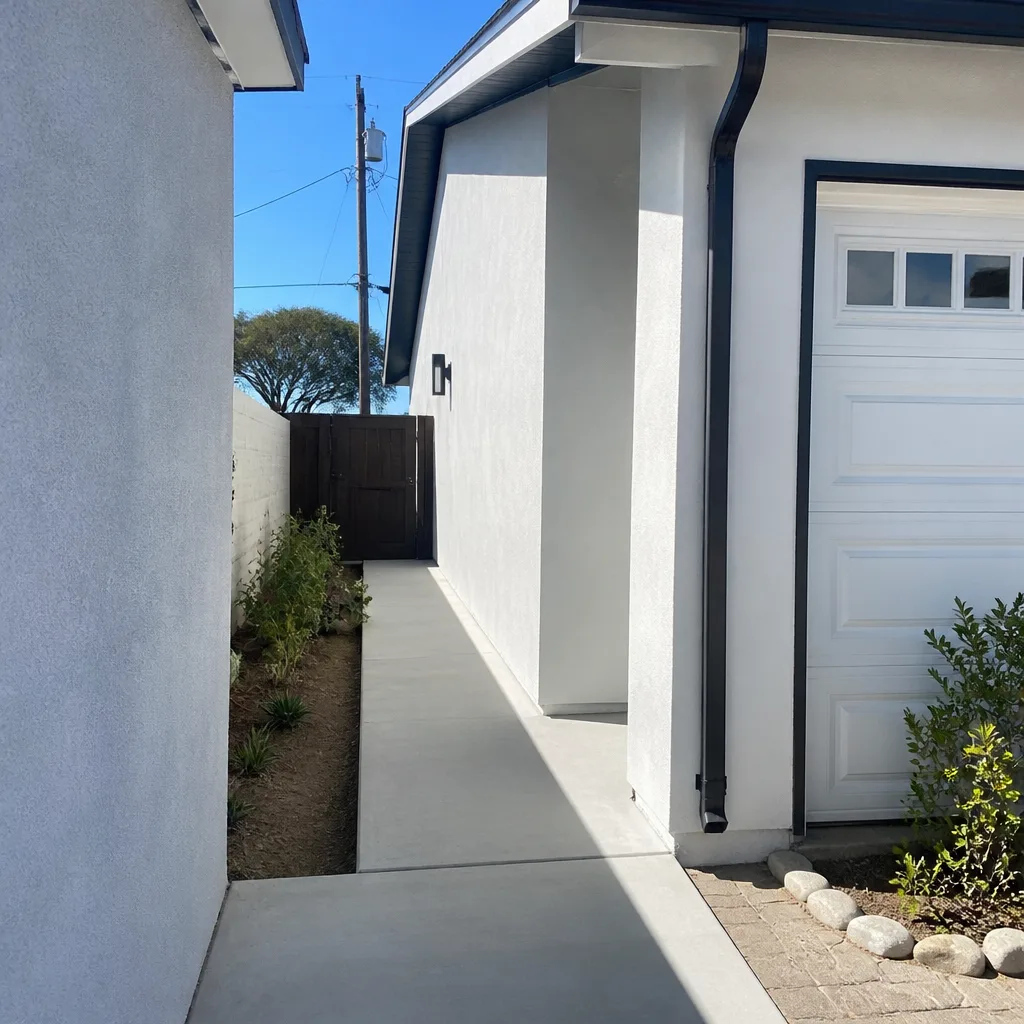 After
After Before
 After
After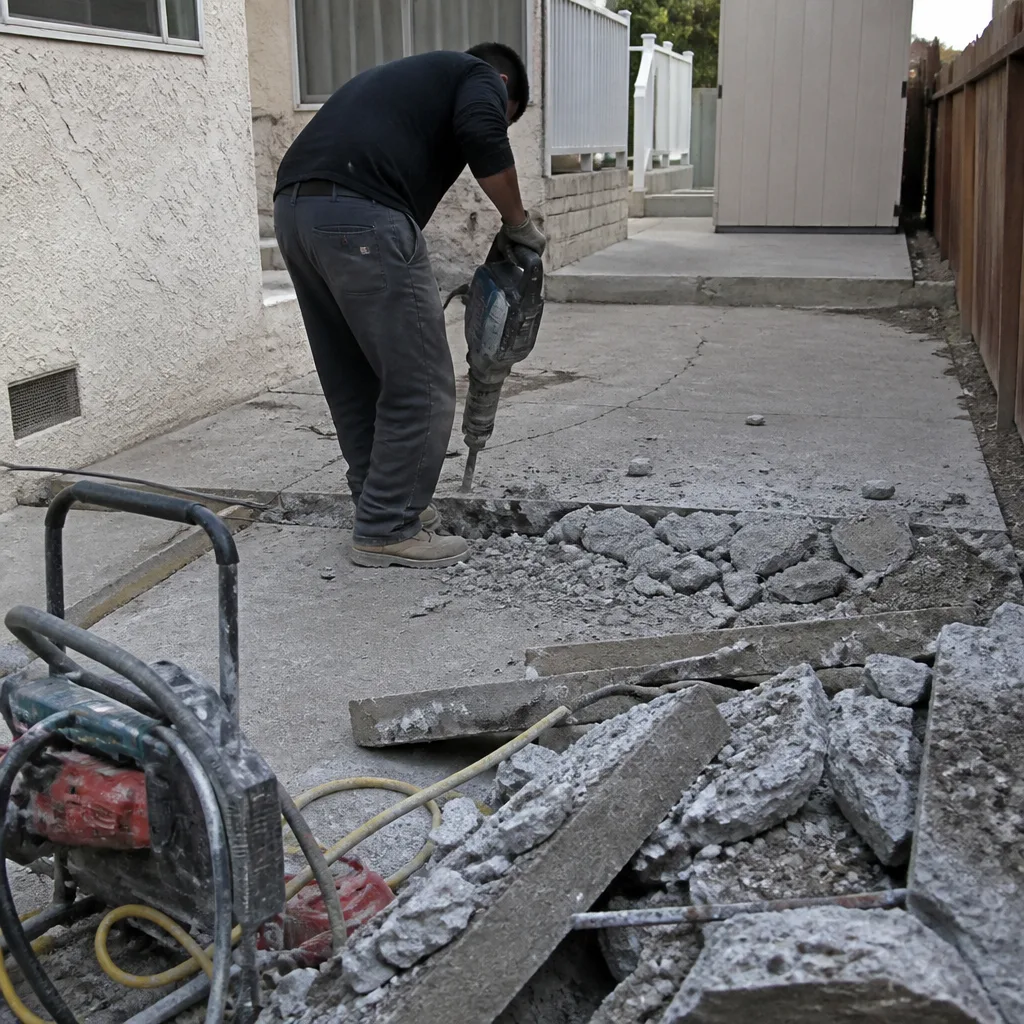 Before
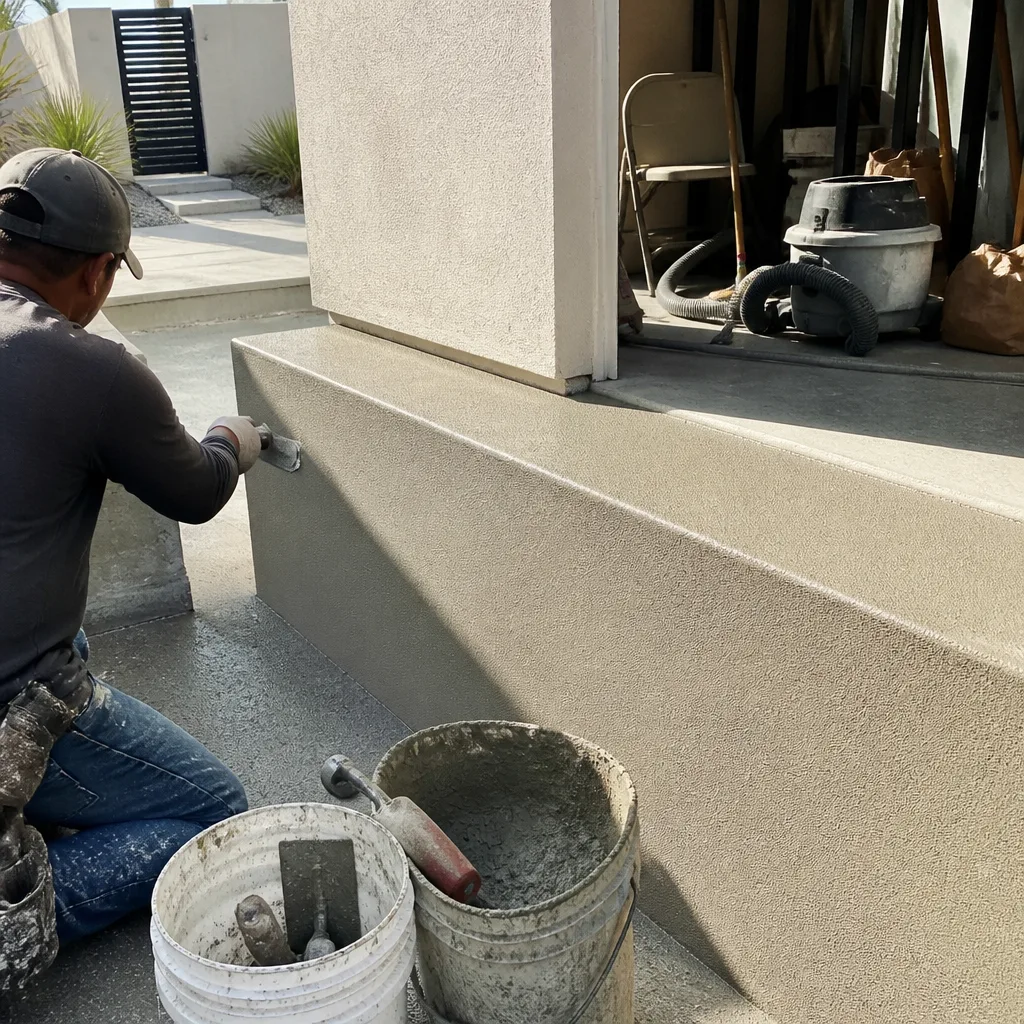 After
AfterReplacement Cost & What’s Included
A targeted Plant Prefab roofing repair in Torrance runs between $800 and $1,800 depending on what failed. That includes the diagnosis, the correct flashing or membrane section, labor, and haul-away. A full roof replacement on a Plant Prefab home runs $8,000 to $20,000, driven by roof size, slope, the membrane or panel system specified, and whether the underlayment and insulation need to be addressed at the same time. Metal systems fall toward the higher end, as they should: the material cost is real.
We write the price before work starts and it doesn’t change unless you change the scope. That’s a Mason Remodeling Co Torrance policy, not a courtesy. The work is covered by the 365-Day Done Right Promise: if it isn’t right within a year of completion, we make it right at no cost to you. A live person answers the phone at (424) 337-6939 around the clock, every day, including weekends and holidays. If the roof leaks after our repair, you won’t sit on hold.
DIY or Call Us?
What you can safely do: check your ceiling and attic for water marks, clear debris from roof drains and scuppers so water moves off, and take photos of any visible lifting or damage from the ground. Torrance’s winter rain pattern means a small issue caught in October is a cheap fix. The same issue ignored until January is a ceiling replacement, insulation replacement, and possibly mold remediation.
What you shouldn’t do: walk a low-slope membrane roof yourself, especially after rain. Falls from single-story roofs injure more homeowners than two-story roofs, because people treat them as safe. Membrane roofs are also easy to puncture with regular shoes or a dropped tool. If you’re up there with a caulk gun and a patch kit from the hardware store, you’re likely creating the next leak. High-tension work on metal seam fasteners is also not a hand-tool job. If you suspect a problem, call (424) 337-6939 and we’ll put eyes on it.
FAQs
A properly installed Plant Prefab membrane roof in Torrance lasts 20 to 28 years depending on sun exposure and whether drainage has been maintained. Standing-seam metal roofs can run 40 years or more. Coastal-adjacent neighborhoods near the ocean see more salt air, which shortens metal fastener life slightly if not inspected every few years. Call (424) 337-6939 for an exact assessment of your roof’s remaining life.
Yes, in most cases. If the failure is at a seam, flashing point, or penetration, a targeted repair is the right call and usually resolves the issue permanently. If the membrane has failed across large sections or the roof deck shows rot, replacement is more cost-effective than chasing patches. We’ll tell you which path makes sense before we quote anything.
A targeted repair on a Plant Prefab roof typically takes one day, start to finish. A full replacement runs three to seven days depending on roof size, system type, and weather. You’ll know the exact timeline in writing before work starts, and you’ll know the name and photo of your technician before they arrive at the door.
We stock common flashing profiles, membrane sections, and seam fasteners for Plant Prefab-compatible systems on our trucks. Specialty items, including some OEM parts, may need to be ordered, and we’ll give you an honest lead time. Our material partners include GAF, CertainTeed, and Owens Corning, so spec-matched alternatives are usually available quickly.
Written by Isaac Pruett, Owner, Mason Remodeling Co Torrance at Mason Remodeling Co Torrance, serving Torrance and nearby areas.