Free written scope consultation - allowances, timeline, and change-order rules on paper before a single trade is scheduled
Caesarstone Home Additions & ADU: The Torrance Owner’s Guide
If you’re planning a home addition or ADU in Torrance and want Caesarstone surfaces as part of the build, the installed cost typically lands between $45,000 and $130,000 depending on square footage, site conditions, and the scope of finish work. Mason Remodeling Co Torrance handles the full build, from foundation to Caesarstone countertop templating and installation, so the surface specs are matched to the space before framing is even finalized. Most owners call us after they’ve already bought Caesarstone slabs or had a failed first attempt at coordinating surfaces with a general contractor who didn’t understand quartz tolerances.
The symptom picture usually looks like this: you’ve got Caesarstone product on site or a design spec in hand, and someone tells you the cabinets, plumbing rough-in, or wall framing won’t accommodate it. Caesarstone’s tolerances are tighter than most surfaces, and if the substrate isn’t right, seams open, edges chip, and the whole install fails within months. We solve that before concrete is poured.
Key Takeaways:
- Home additions and ADUs in Torrance run $45,000 – $130,000 installed, with Caesarstone surfacing spec’d separately or as part of the finish package.
- Caesarstone requires specific substrate and cabinet tolerances; if your GC doesn’t know quartz, the surface fails early.
- We’re an independent contractor, not affiliated with Caesarstone, and we carry specification-grade knowledge for matching their slabs to structural builds.
- Written price before any work starts, background-checked crew, and a 365-Day Done Right Promise on the full build.
Which Caesarstone Models This Applies To
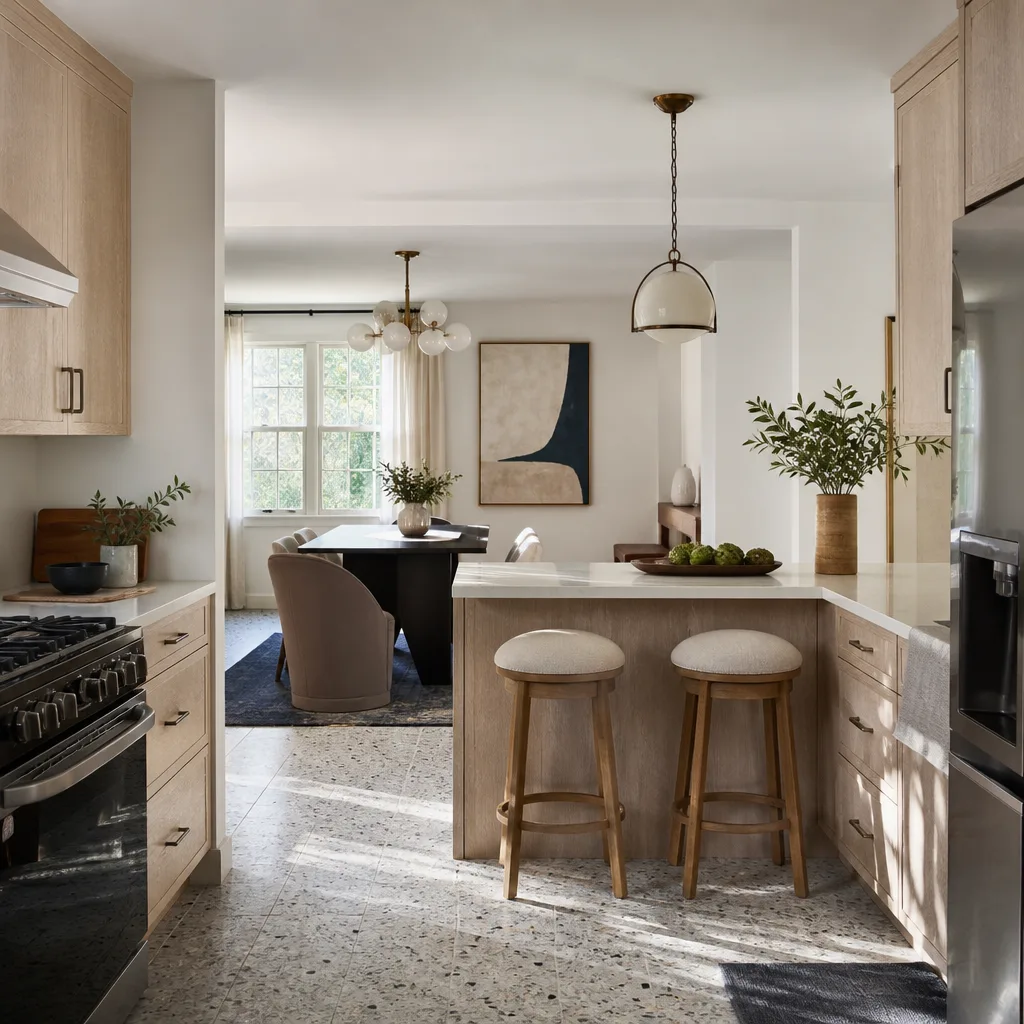
Caesarstone’s product lines that commonly end up in Torrance additions and ADUs include the Supernatural, Metropolitan, and Whitelight collections, plus the Outdoor line for covered patio kitchens. The compatibility gotcha most owners hit is thickness: Caesarstone runs 1.3 cm (13mm, roughly half an inch), 2 cm (3/4 inch), and 3 cm (1 1/4 inch) depending on the series, and each thickness demands a different cabinet depth, overhang support, and edge profile. A 13mm slab on a 24-inch-deep base cabinet with insufficient support will flex, and quartz doesn’t flex quietly; it cracks.
Identifying what you have is straightforward: check the underside of the slab for the Caesarstone laser marking, which lists the collection name, color code, and thickness in millimeters. If the slab is already installed and the edge is polished, measure the visible overhang and check seams. If you’re building new, we spec the Caesarstone model first, then frame and set cabinets to match, not the other way around. For Torrance homeowners, we also stock matching trim and fabrication support from KraftMaid cabinetry, Cambria, and Silestone when mixing surfaces across a build.
OEM versus aftermarket gets specific with Caesarstone. There is no generic equivalent for Caesarstone slabs; the material is engineered quartz with a specific resin-to-quartz ratio and the color is batch-matched. However, the supporting parts (cabinet shims, seam setters, edge profiles, undermount sink brackets) can be quality aftermarket products, and we stock both to keep the build moving without cutting corners. If a Caesarstone part in the build, like a seam or overhang, fails within a year, we return at no charge.
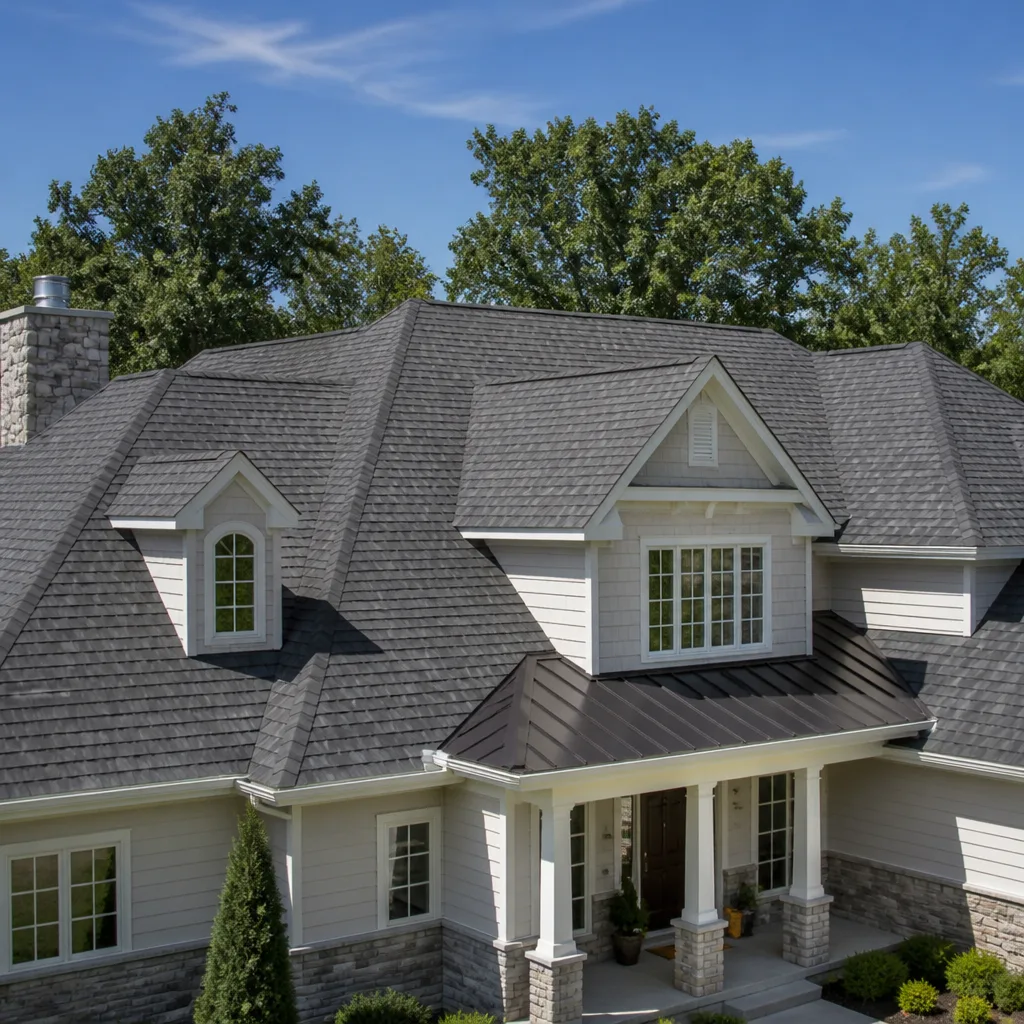
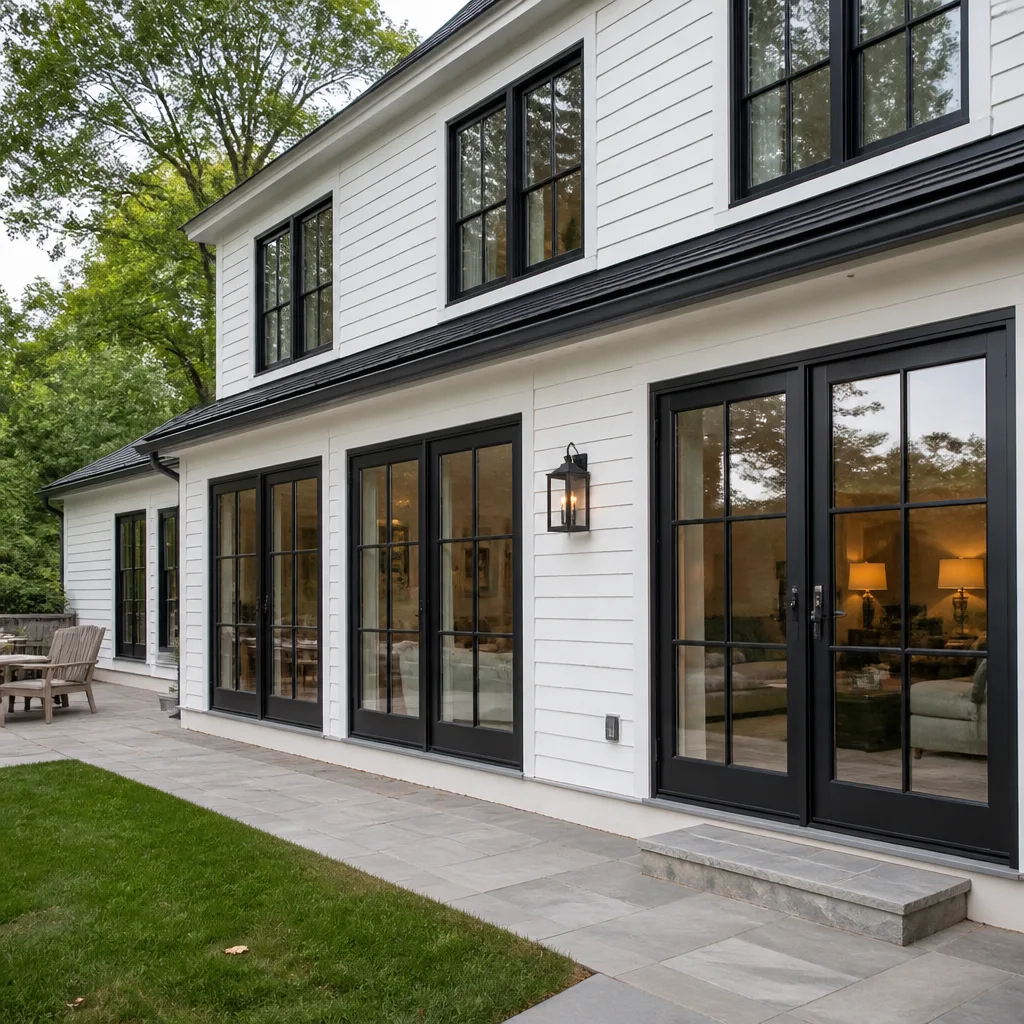
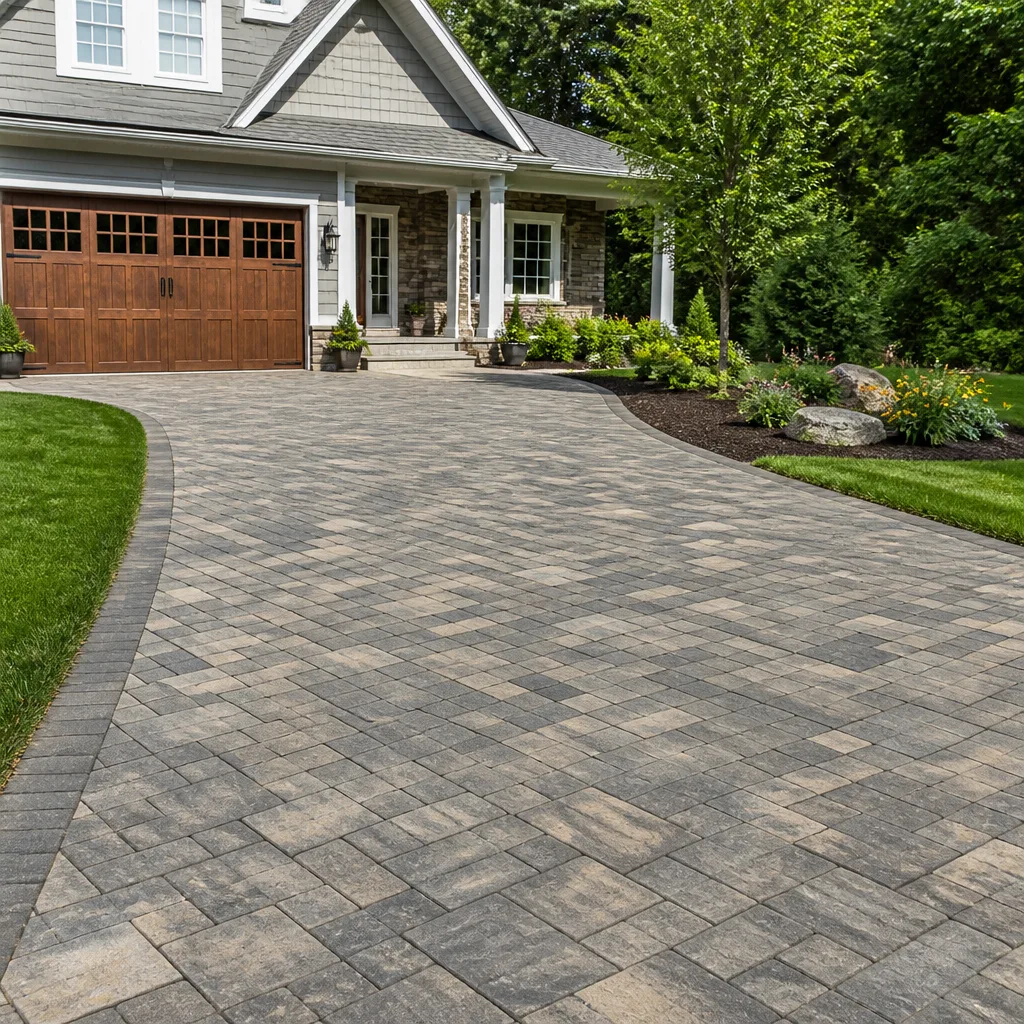
Styles & brands we work with
Signs Your Caesarstone Home Additions & ADU Is Failing
- Seam separation at the countertop. Caesarstone seams are nearly invisible when installed correctly. When you see a visible line or gap, the substrate beneath has settled or the installers used too much adhesive to compensate for uneven cabinets. In Torrance, where soil movement from expansive clay is real, this shows up within the first 18 months if the foundation wasn’t engineered for it.
- Chipping along the front edge or at sink cutouts. Quartz chips when it’s overstressed. A 13mm slab with insufficient overhang support will chip at the edge, and a sink cutout without radiused corners will crack outward from the corner. Both are installation failures, not material defects, and both are fixable if caught early.
- Visible deflection in the cabinet run under the quartz. When you set a heavy pot on the counter and see the surface bow, the cabinets or the floor structure are moving. In an ADU built on a crawlspace or pier foundation, this is a structural issue that no amount of countertop shimming will fix.
- Caesarstone surfaces not matching across rooms. If the kitchen island slab and the bathroom vanity slab look like different colors under the same lighting, someone ordered from different batches. Caesarstone batches vary slightly; a legitimate fabricator orders from the same batch for the whole project.
- Grout or caulk cracking around the backsplash and counter junction within months. This indicates the wall framing behind the backsplash wasn’t stiff enough for quartz weight. In an addition or ADU with standard 2×4 studs at 24-inch spacing, that’s a common shortfall we correct before tile goes up.
See the difference
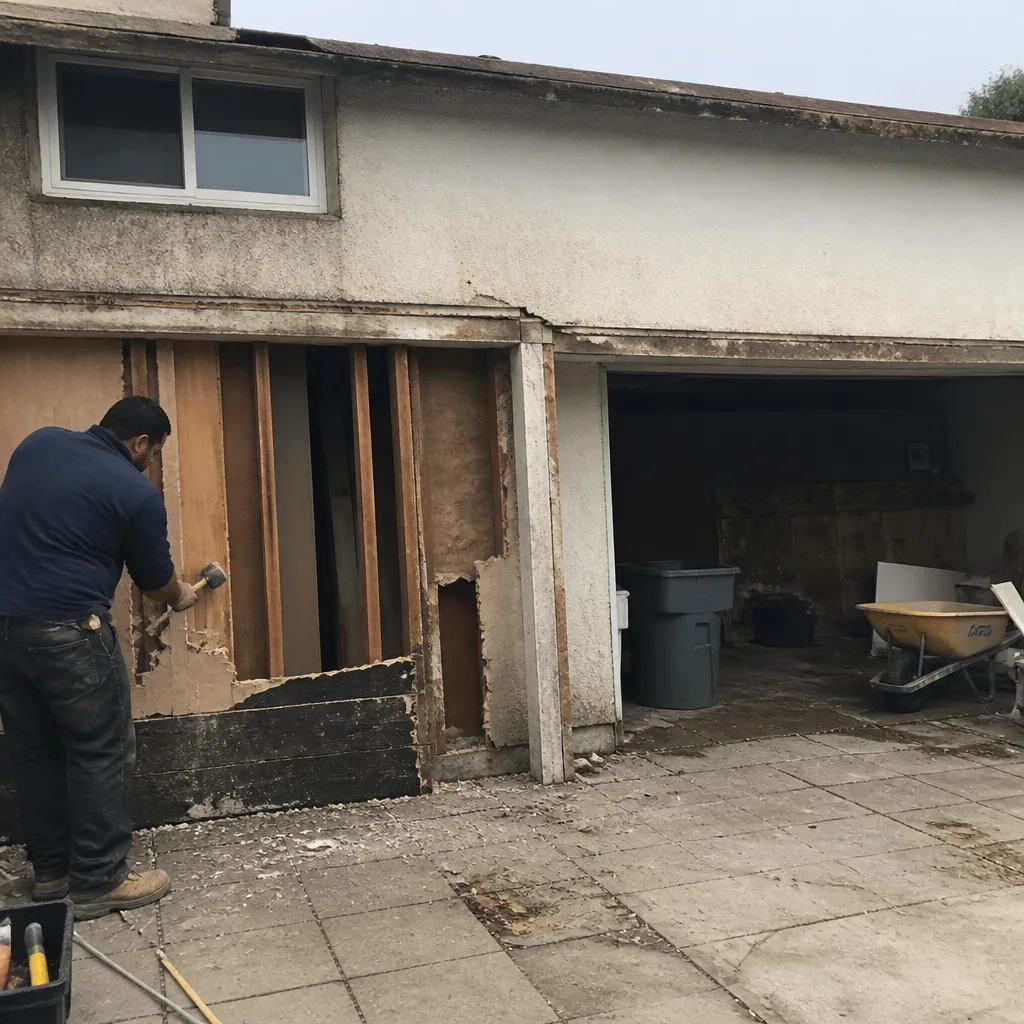 Before
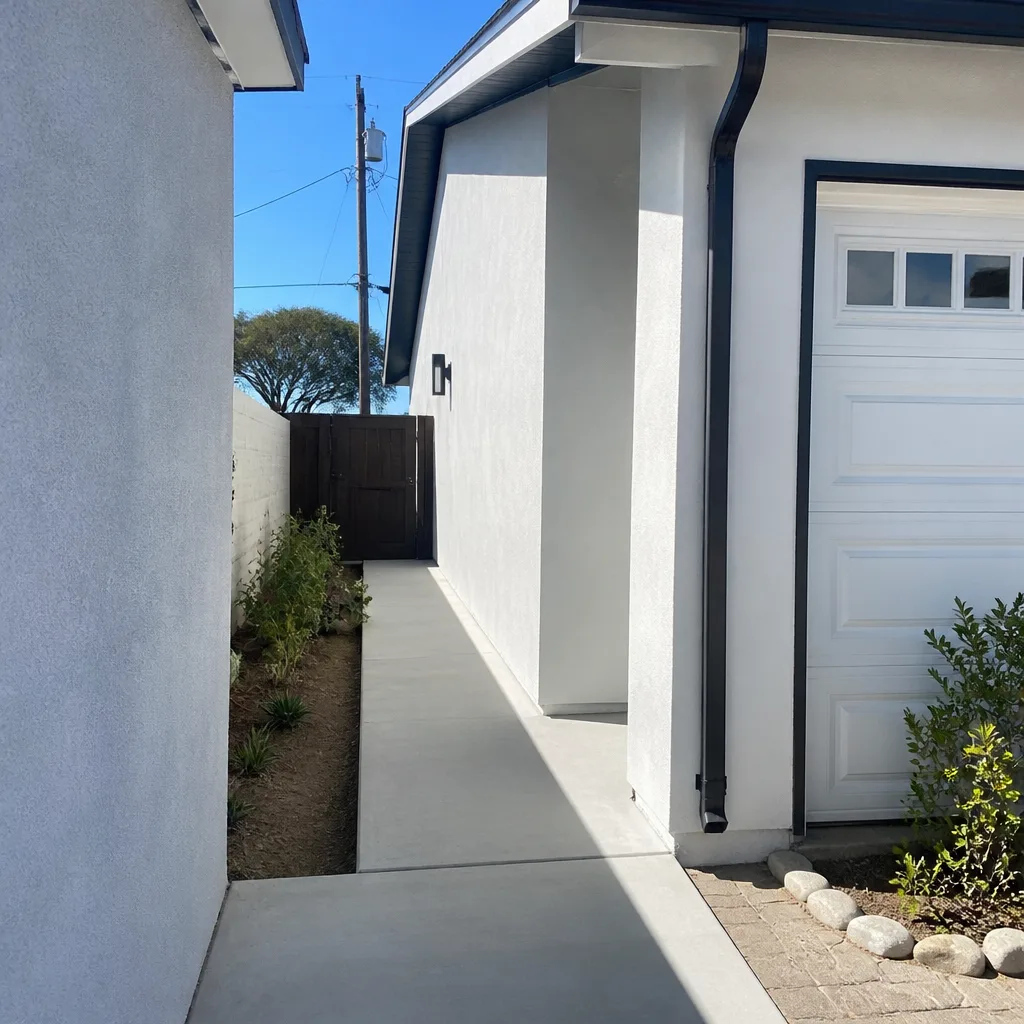 After
After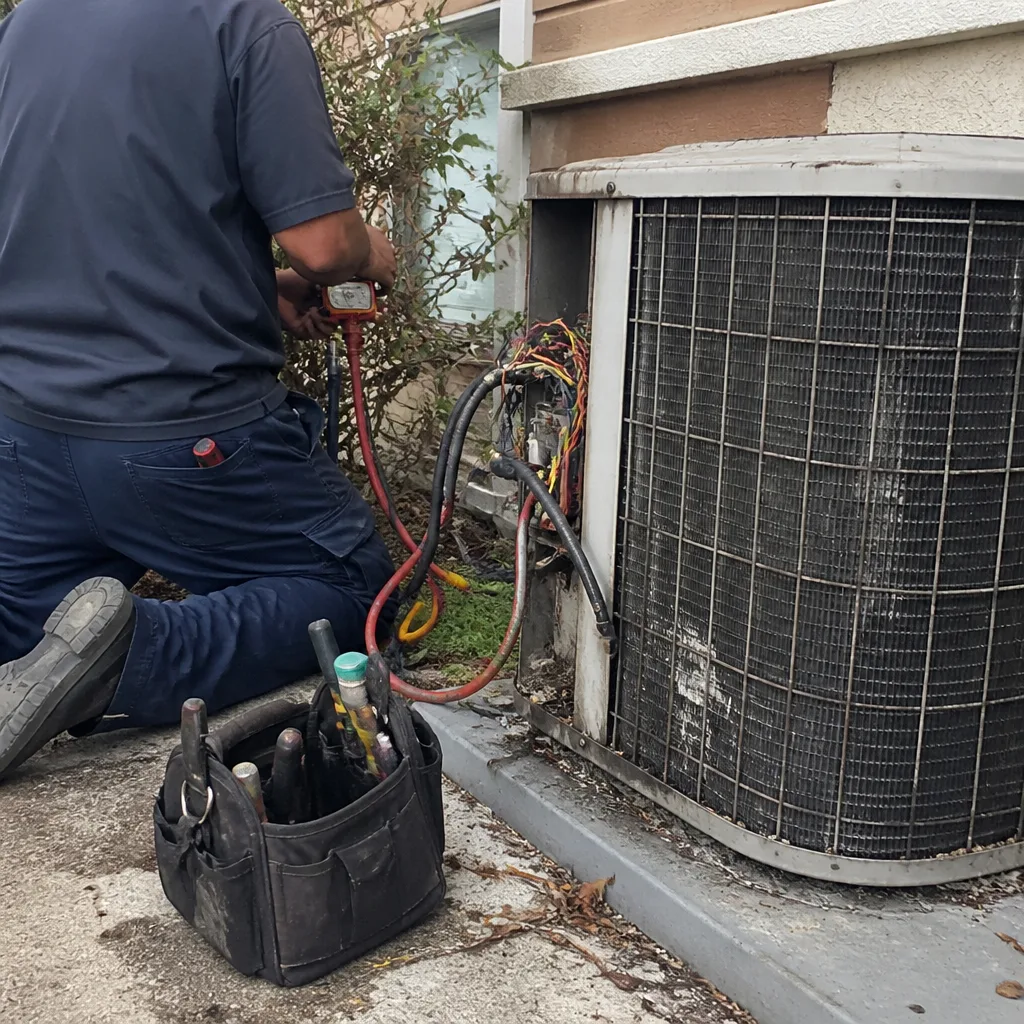 Before
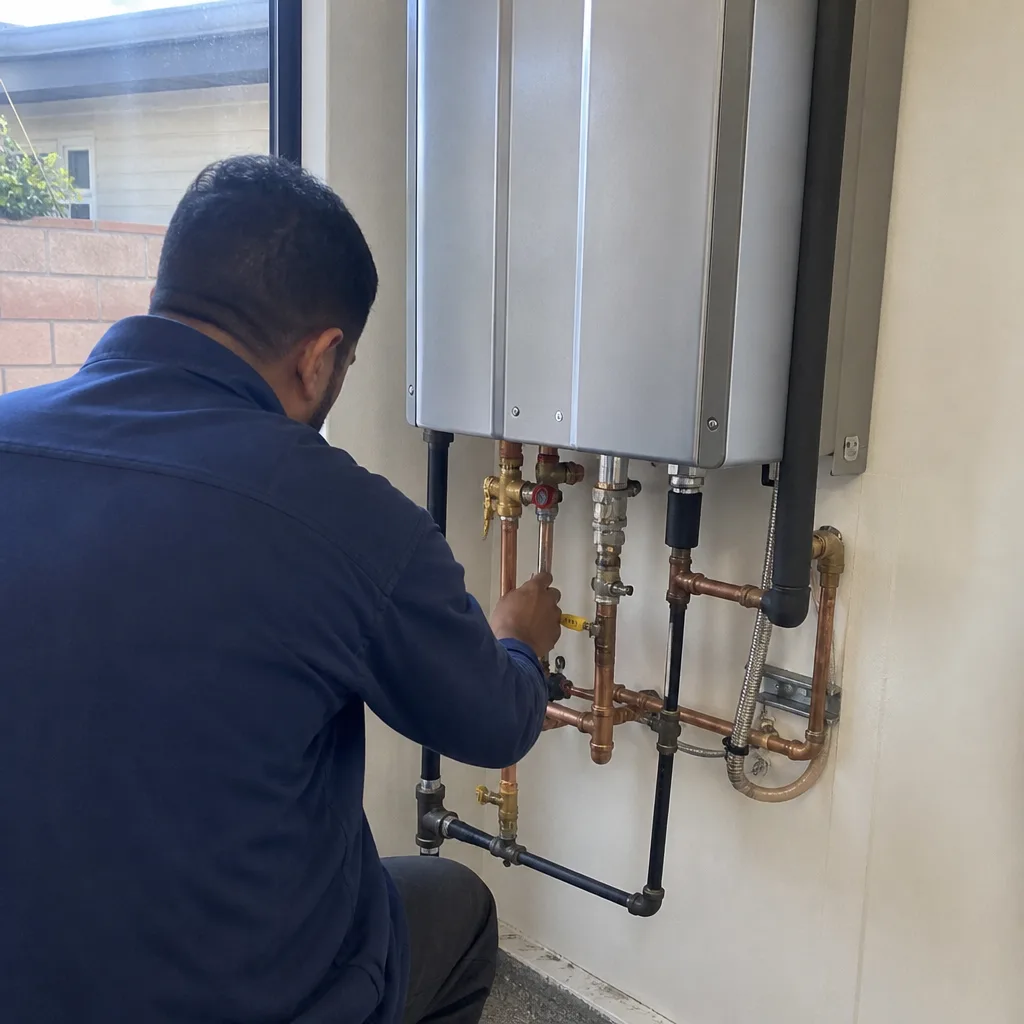 After
After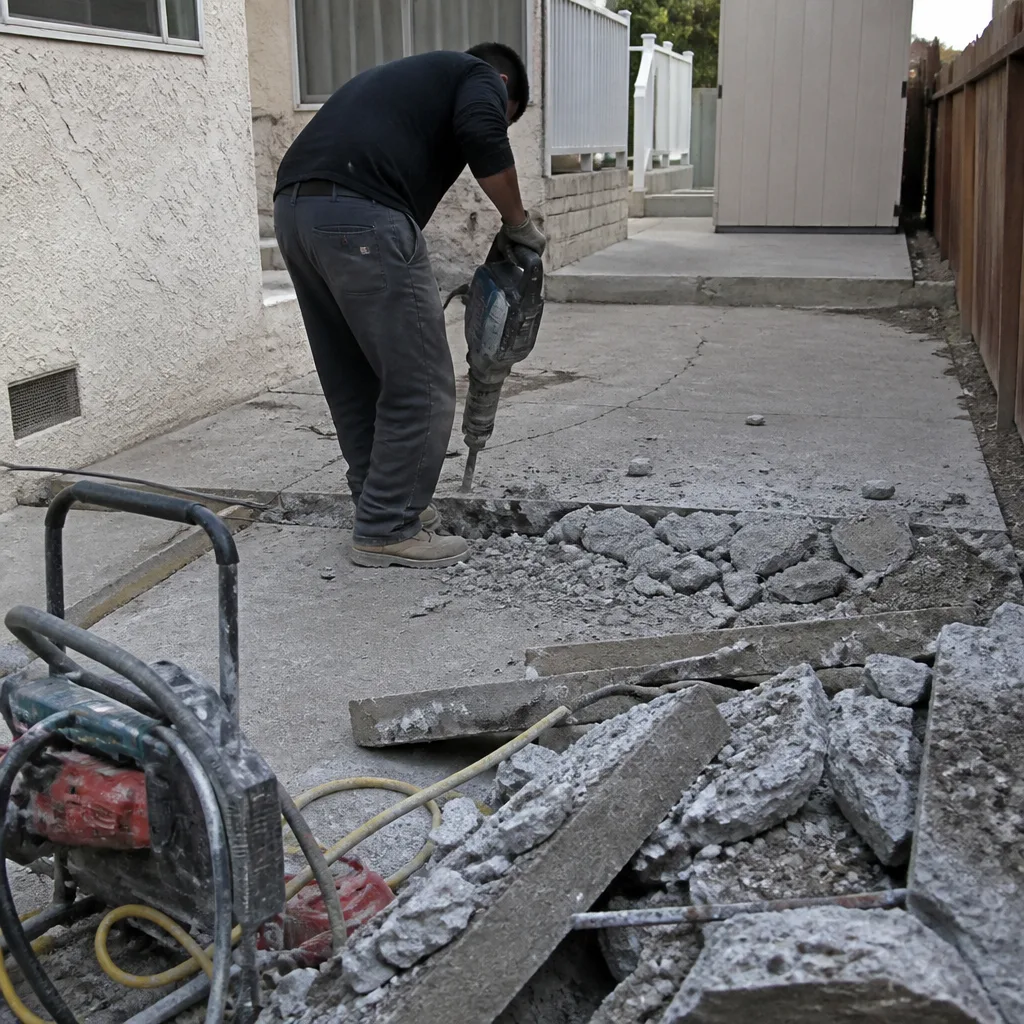 Before
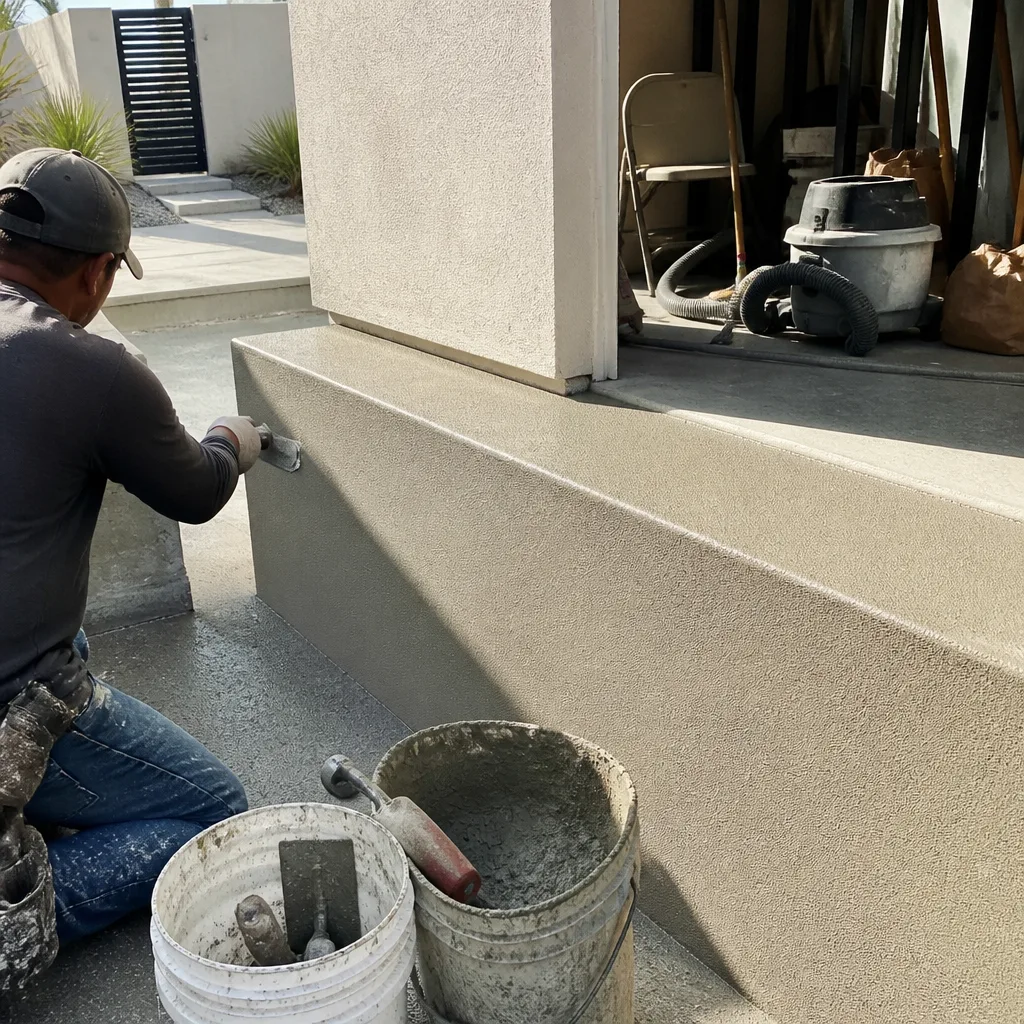 After
AfterReplacement Cost & What’s Included
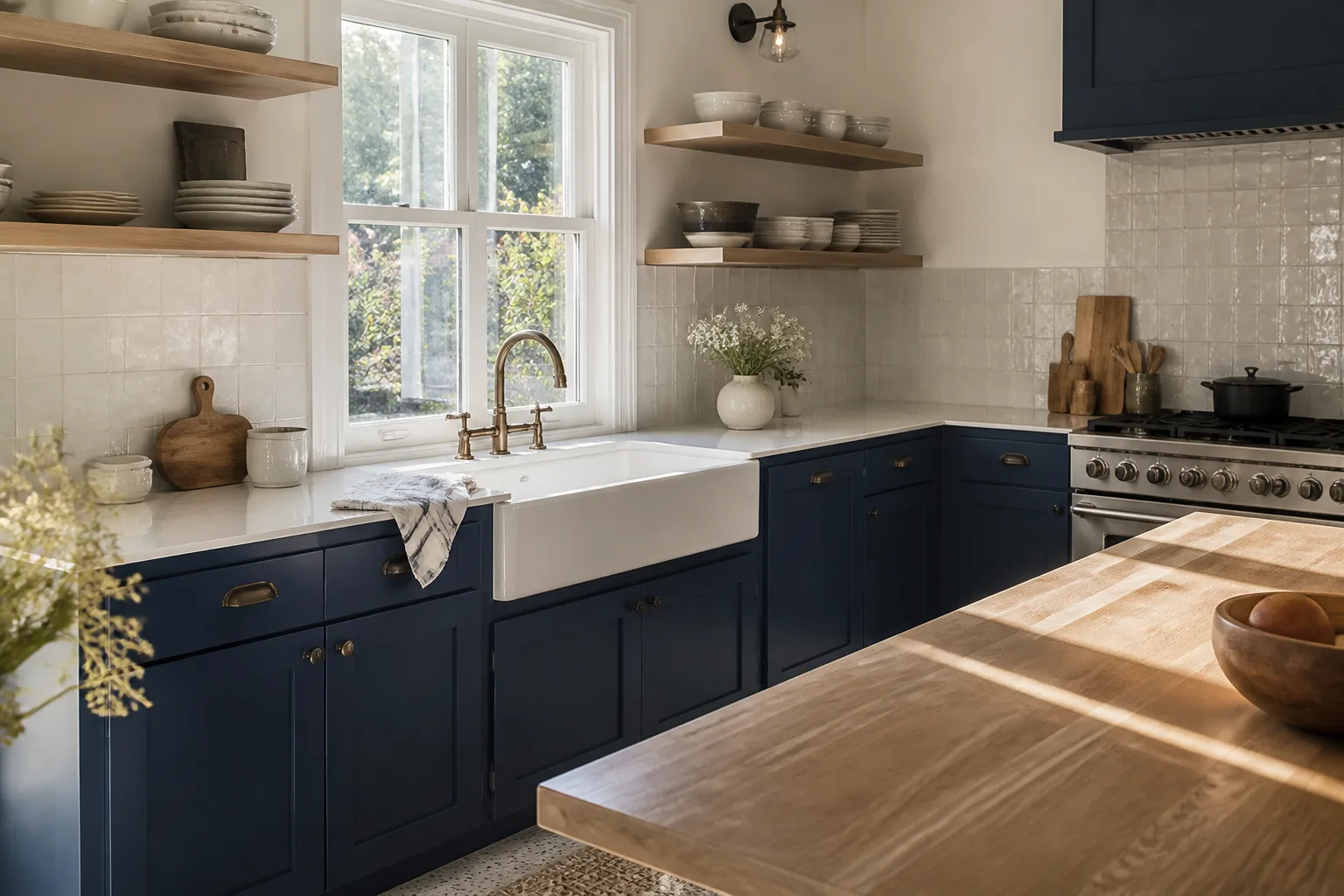
A full home addition with Caesarstone kitchen and bath surfaces in Torrance runs $45,000 to $130,000. That range covers framing, foundation, electrical, plumbing, drywall, flooring, and the finished Caesarstone countertops, with the spread driven by square footage, the complexity of the ADU (attached versus detached, garage conversion versus ground-up), and the Caesarstone collection you choose. A detached ADU with a kitchen and full bath trends toward the top of the range; a single-room addition with a wet bar and Caesarstone vanity lands at the lower end.
What’s included: a written line-item price before any work starts, permits pulled and inspections passed, substrate preparation matched to your Caesarstone slab thickness, professional templating and installation, and cleanup. The workmanship is covered by our 365-Day Done Right Promise, which means if something fails within a year of completion, we make it right at no cost to you. You’ll know exactly what the warranty covers, in writing, before the first tool is unpacked. Isaac Pruett checks every Caesarstone-related substrate himself before install day; after twenty years of residential remodeling, he’s seen enough quartz cracked over bad framing to know where problems hide.
DIY or Call Us?
There’s a small list of things you can safely inspect on a Caesarstone addition or ADU without professional help: check cabinet doors for alignment, look for visible seams and edge chips, and pour a glass of water on the counter to see if it pools or runs to one corner. Those observations tell you a lot. What you shouldn’t do is attempt to move, lift, or repair quartz yourself. A full slab of Caesarstone weighs between 170 and 200 pounds per 11-square-foot area, and when it cracks, it splits with sharp, unpredictable edges. We regularly see homeowners in Torrance try to fix a sagging countertop by wedging shims under the slab, only to crack it because the load wasn’t evenly distributed.
If you’re seeing any of the failure signs above, or you’re planning a build and want the Caesarstone spec’d correctly from the first framing day, call us at (424) 337-6939. We’ll walk through what you have, what it needs, and what it’ll cost before anyone sets foot on your property.
FAQs
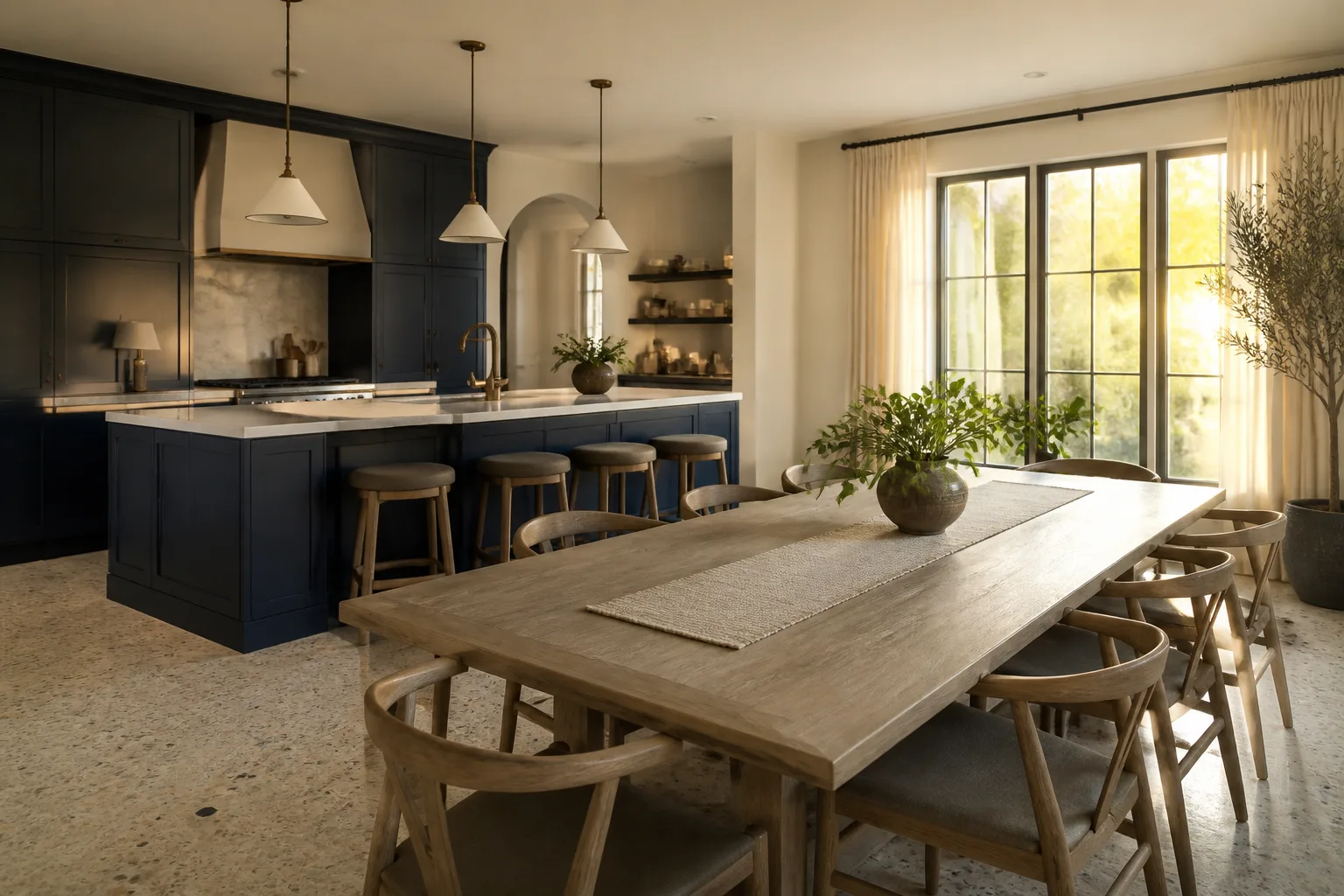
Caesarstone surfaces should last 25 years or more when properly installed on a stable substrate. The material itself is highly durable; what shortens lifespan in Torrance is the building underneath it. Expansive clay soil, coastal air moisture, and the temperature swings between marine layer mornings and afternoon sun all stress structures. If the foundation and framing are done correctly, the Caesarstone outlasts the roof. If they’re not, you’ll see failure within two years. Call (424) 337-6939 and we’ll tell you honestly which situation you’re in.
Yes, small chips and minor seam separations can be repaired with color-matched epoxy and proper reseating, often without removing the slab. Cracks that run through the slab’s full thickness, especially from sink cutout corners, usually mean replacement of that section. The repair-versus-replace decision depends on where the crack is, whether the underlying substrate needs correction, and the batch color of your slab. We’ll give you a straight answer and a written price either way.
A Caesarstone countertop installation in a finished space takes one day for templating and one day for installation, typically a week apart. In a full addition or ADU, the Caesarstone work is sequenced near the end of the build, after cabinets are set and before plumbing fixtures are connected. The total project timeline depends on the build scope, but the surfacing step itself is measured in days, not weeks.
We stock the installation materials matched to Caesarstone’s fabrication requirements: seam setters, color-matched epoxy, undermount sink brackets, edge profile tooling, and substrate shims rated for quartz weight. We do not stock full Caesarstone slabs on site. Slabs are ordered per project to match your batch and color, and we coordinate that through local certified Caesarstone distributors serving Torrance.
When you’re ready for a real price on your Caesarstone addition or ADU in Torrance, call (424) 337-6939. You’ll speak to a live person, get a written estimate, and know exactly who’s coming to your door before they arrive. That’s how we’ve done it since 2004.
Written by Isaac Pruett, Owner, Mason Remodeling Co Torrance at Mason Remodeling Co Torrance, serving Torrance and nearby areas.