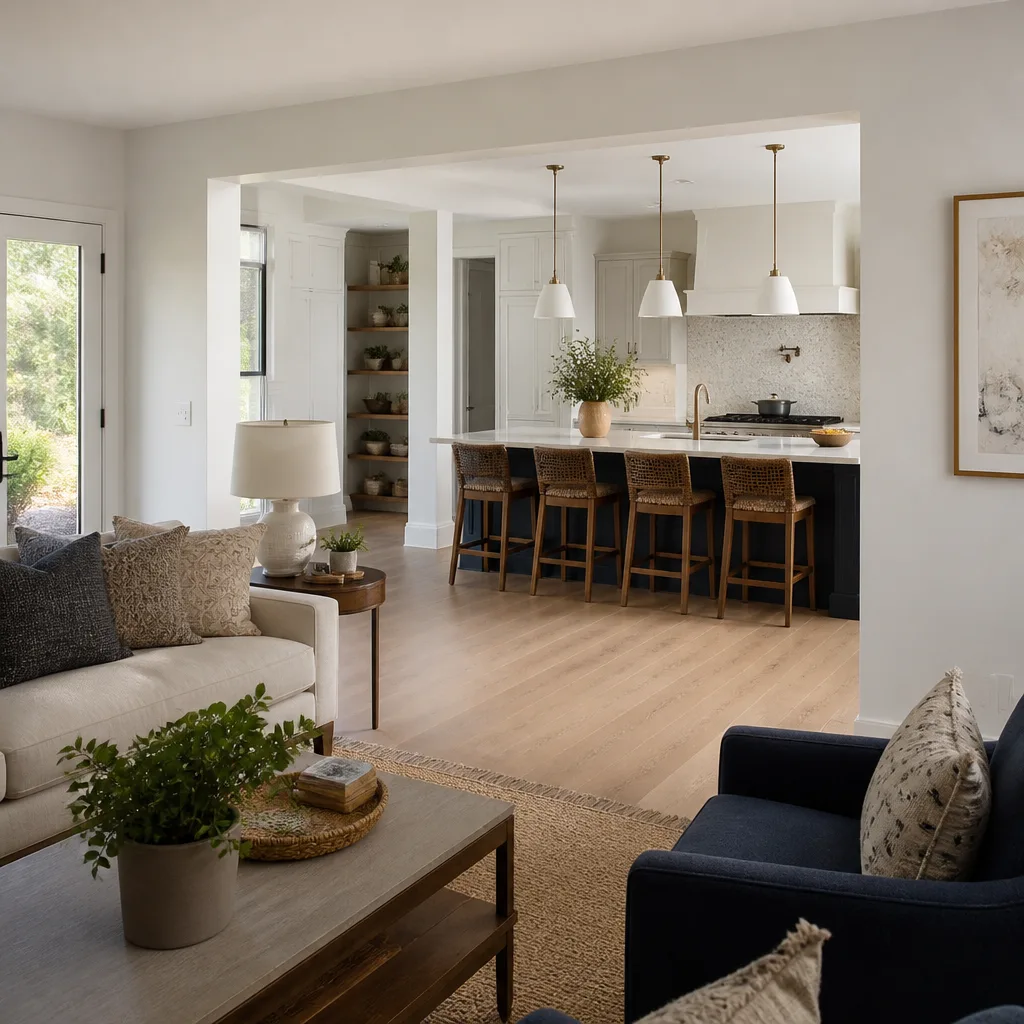
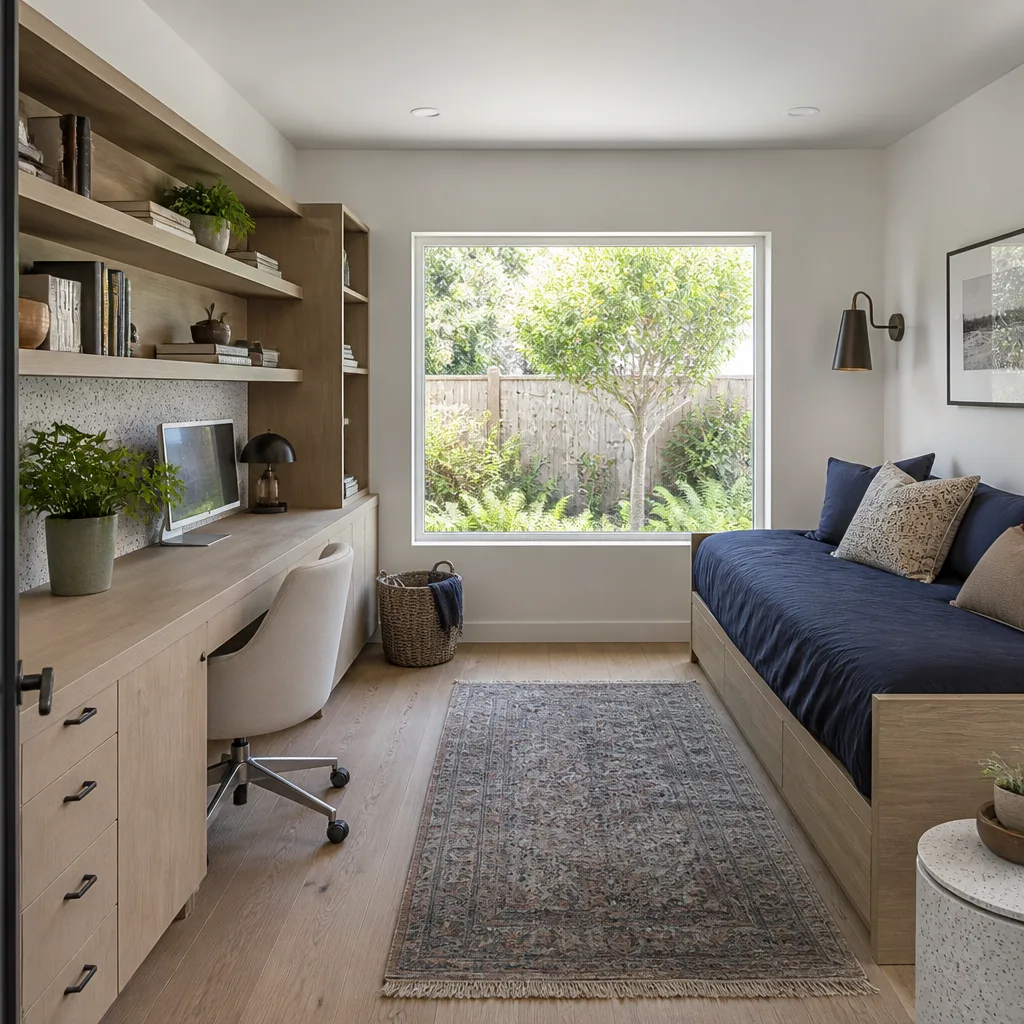
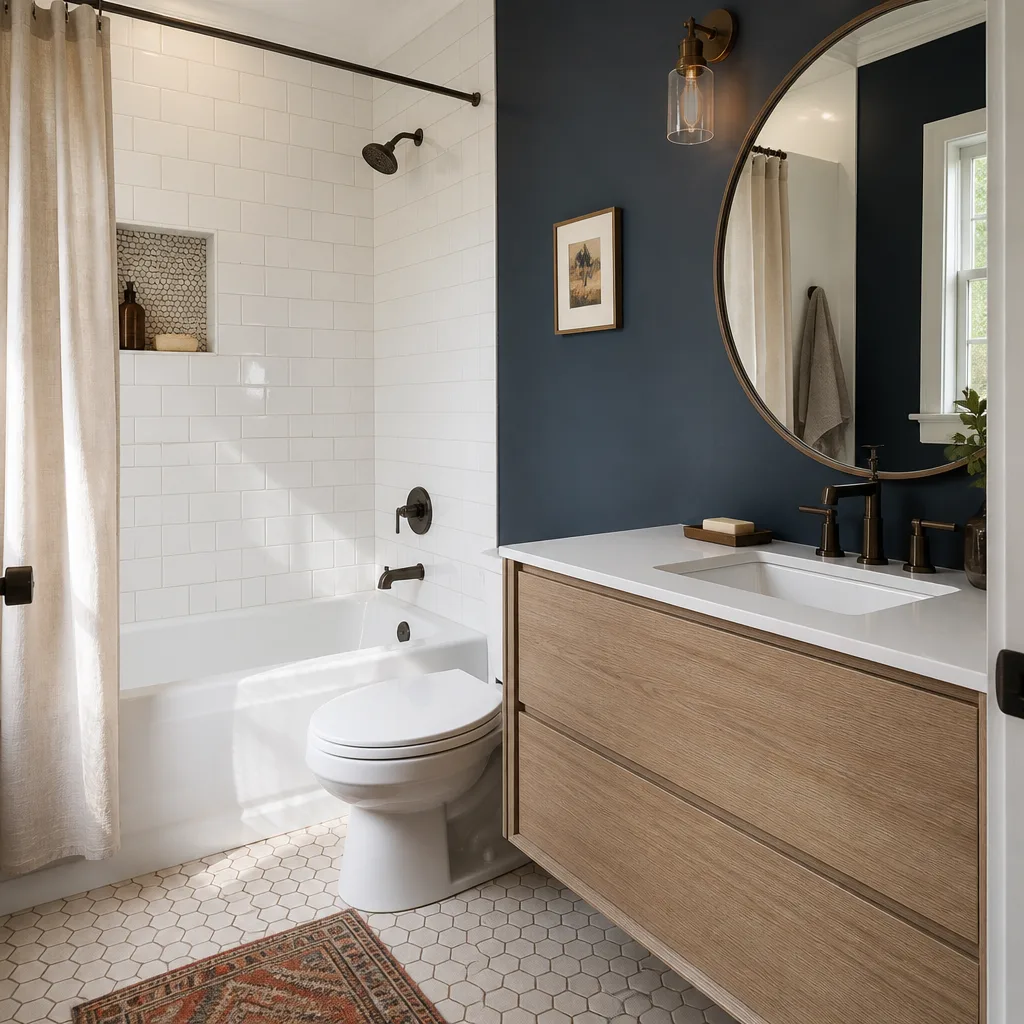
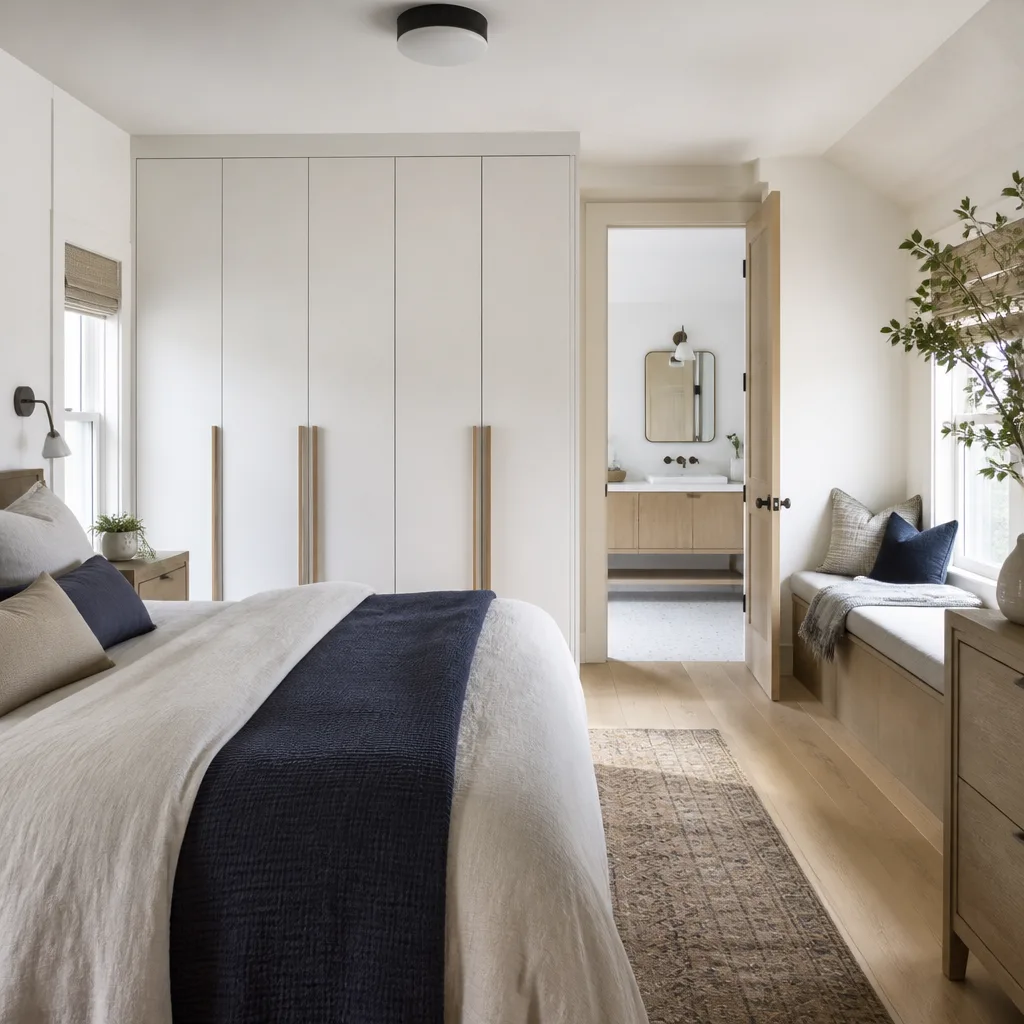
Free written scope consultation - allowances, timeline, and change-order rules on paper before a single trade is scheduled
Dvele Home Additions & ADU: The Torrance Owner’s Guide
Dvele home additions and ADU construction in Torrance typically runs $45,000 to $220,000 installed, depending on whether you’re adding square footage to the main structure or building a detached accessory dwelling unit. We install Dvele-compatible home additions and ADUs, and we keep the specific framing, panel, and connection materials needed for Dvele’s prefabricated wall and roof assemblies on hand in our Torrance yard. Most Torrance homeowners discover their Dvele component has failed through visible gaps at panel seams, water staining at the roofline connection, or a mechanical system that stops responding to the home’s automation controls.
What you’re seeing is rarely the whole picture. Dvele homes use a prefabricated panelized system, which means the panels themselves are usually fine. What fails more often are the connection points: the seam flashing between panels, the weather barrier at the roof-to-wall transition, and the integration points where mechanical, electrical, and plumbing systems pass through the panel assembly. The good news is that these are all field-repairable with the right materials, and that’s exactly what we do.
Which Dvele Models This Applies To
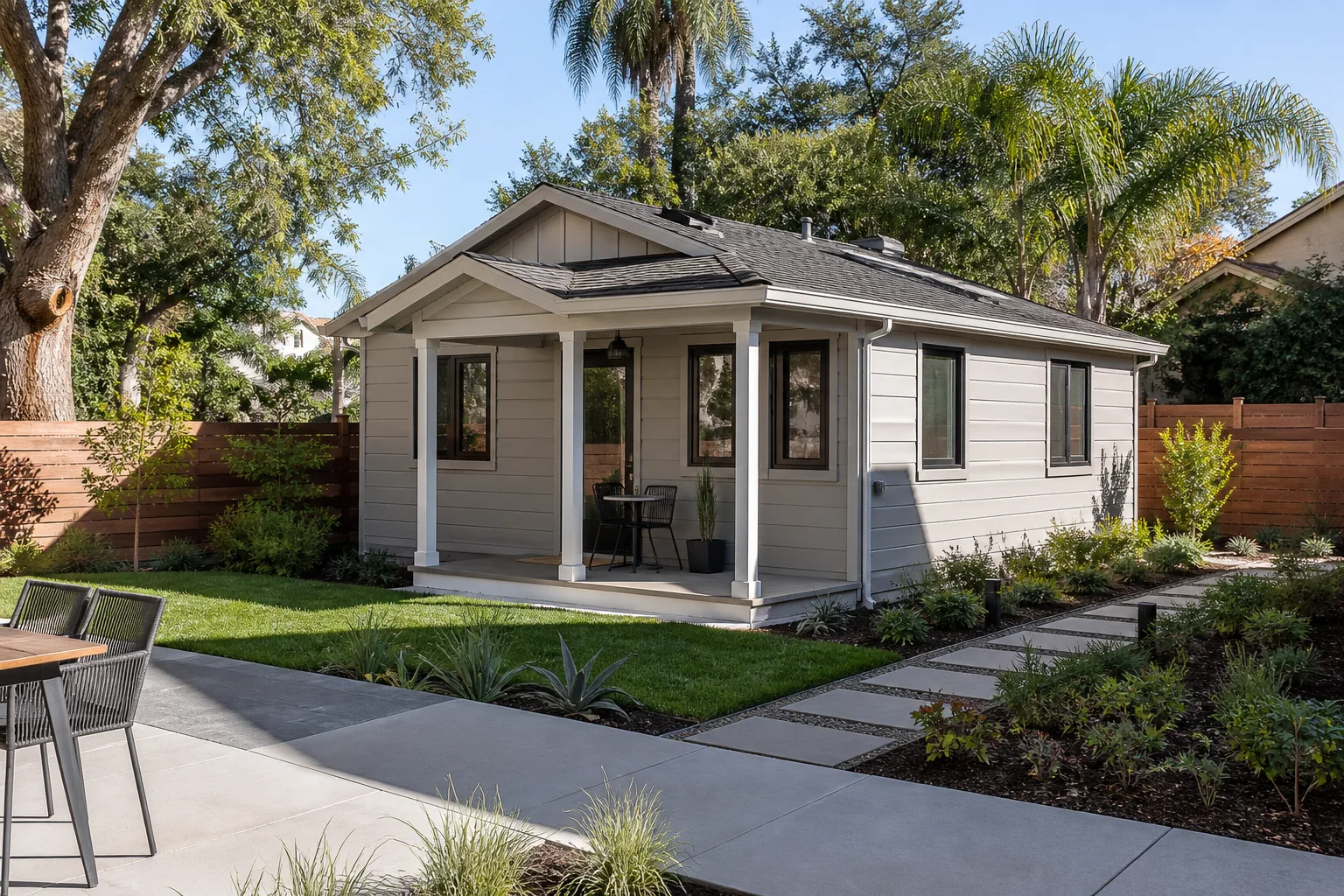
Dvele builds homes using a modular panel system rather than traditional stick framing, and the connection details matter when you’re adding on or repairing. The Dvele homes we work on in Torrance fall into a few categories: the original prefab panel models, the newer whole-home builds, and the ADU line. Each has slightly different wall panel thicknesses and connection hardware. The panel joints on most Dvele builds are designed around specific gasket and flashing profiles that aren’t interchangeable across model years.
Here’s the compatibility gotcha: if your Dvele was built after 2019, the roof-to-wall connection likely uses a newer compression gasket detail than the earlier models. Using the older-style flashing on a newer home creates a lip that catches water instead of shedding it. We verify the panel label on site before we order anything. You can find the panel ID stamped on the interior side of the wall panel, usually near a corner or behind a removable access cover. If you’re not sure what you’re looking at, take a photo and call us. We’ll identify it before we come out.
OEM Parts vs. Quality Aftermarket Equivalents
Dvele’s proprietary connection hardware is good, but some of it has long lead times. For flashing and gasket materials, we often use commercial-grade aftermarket equivalents from manufacturers that supply the same materials Dvele uses at the factory level. That means you’re not getting a downgrade; you’re getting the same spec without the Dvele markup and without waiting six weeks for a small box of weather barrier tape. For structural panel replacement, we use OEM panels or certified equivalents matched to the original panel’s R-value and shear rating.
Styles & brands we work with
Signs Your Dvele Home Additions & ADU Is Failing
- Visible seam gaps at panel joints – This is the most common failure we see in Torrance. Temperature swings cause panel expansion and contraction, and over several years the compression gaskets lose their rebound. Water starts getting behind the weather barrier. If you can fit a credit card into the gap, it’s time to address it.
- Water staining at the roofline or inside corners – Torrance gets marine layer moisture even when it’s not raining, and a failed roof-to-wall transition wicks that moisture into the wall cavity. Staining on the interior ceiling near the wall line is the tell, and it often shows up months before you feel any dampness.
- Doors or windows in the addition that suddenly stick or won’t latch – Panel movement doesn’t just affect the outside envelope. When the addition settles or the connection to the main house shifts slightly, you’ll notice it at the door and window openings first. It’s not just seasonal humidity; it’s the structure telling you something moved.
- Mechanical systems in the ADU that stop responding to the home automation controls – Dvele homes run integrated systems. When the wiring or sensor connections at panel penetration points get compromised by moisture or movement, the automation starts throwing errors that don’t make sense. The system isn’t bad; the connection point is.
- Higher humidity or a musty smell in the addition, especially after marine layer mornings – A compromised weather barrier lets coastal moisture accumulate in the wall cavity. By the time you smell it, the problem has been developing for a while. This is worth checking sooner rather than later in Torrance’s climate.
See the difference
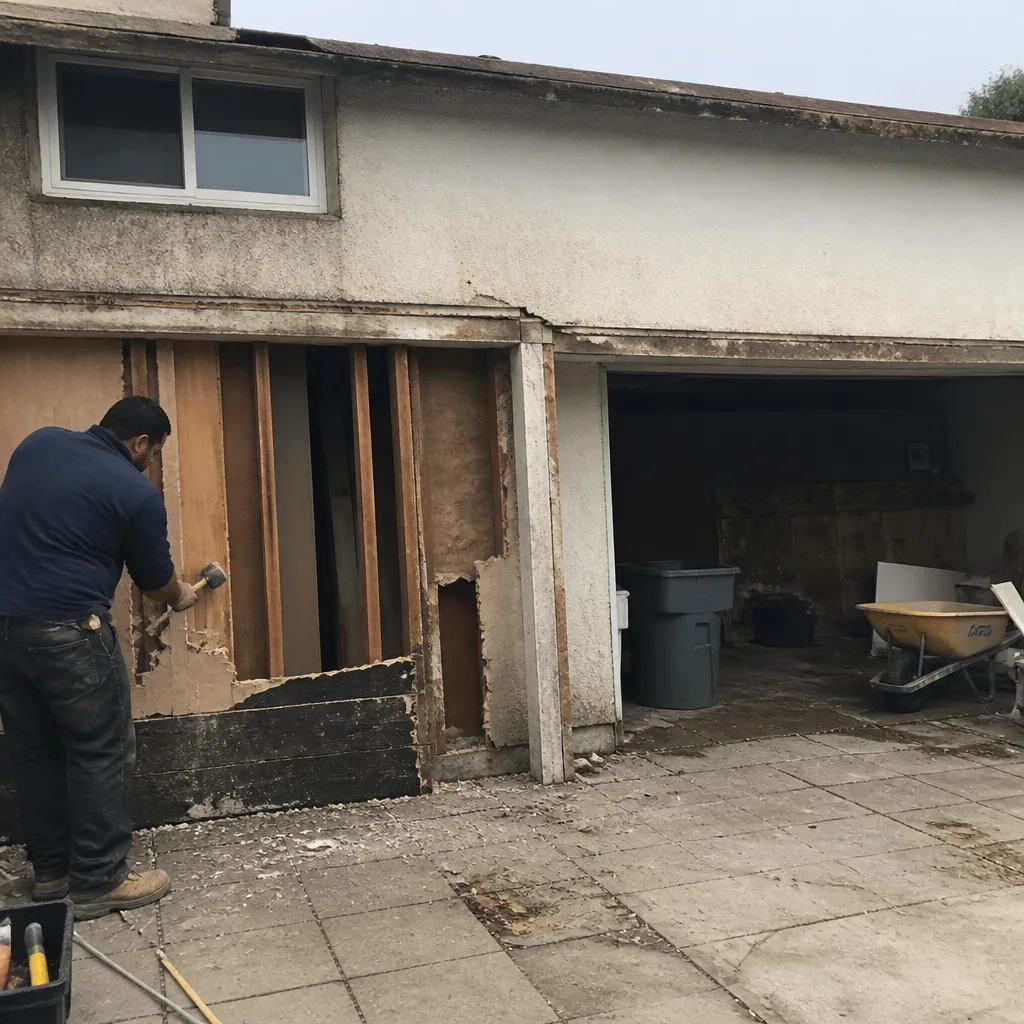 Before
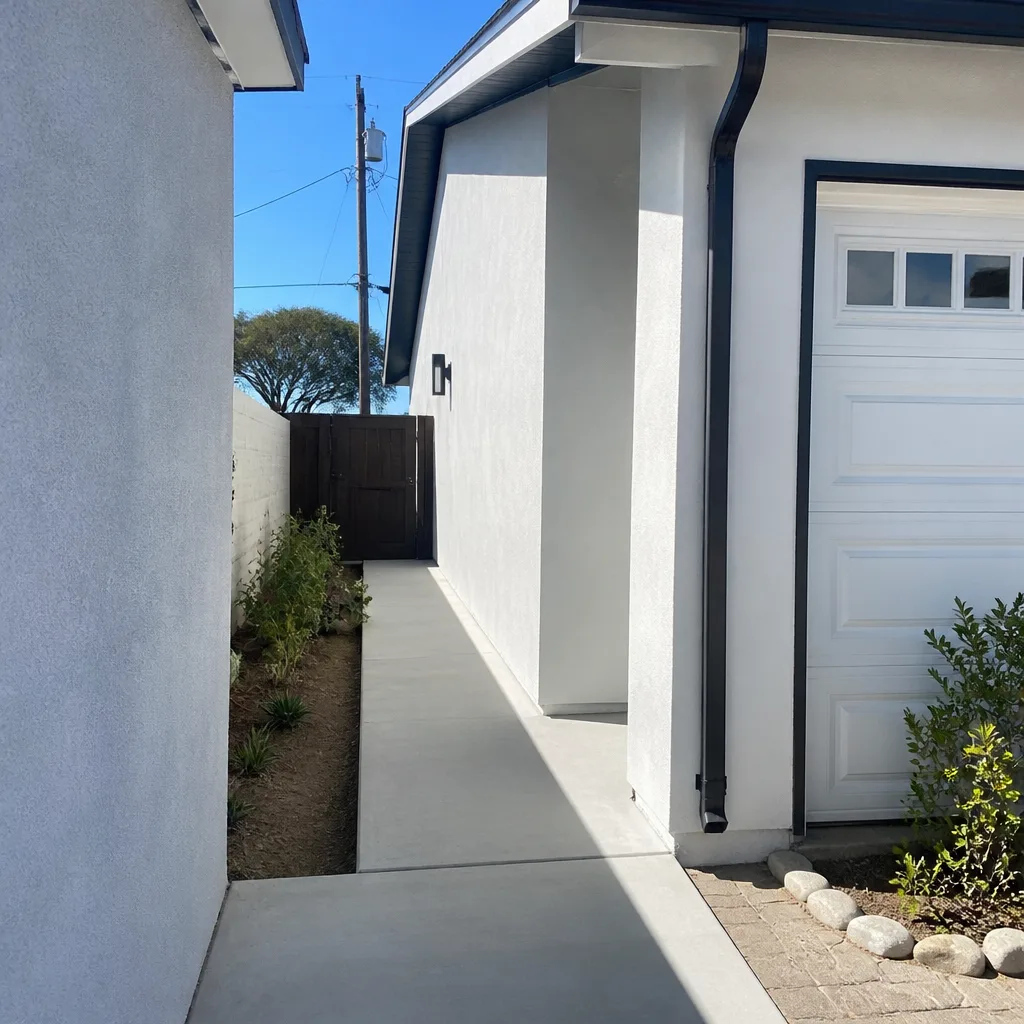 After
After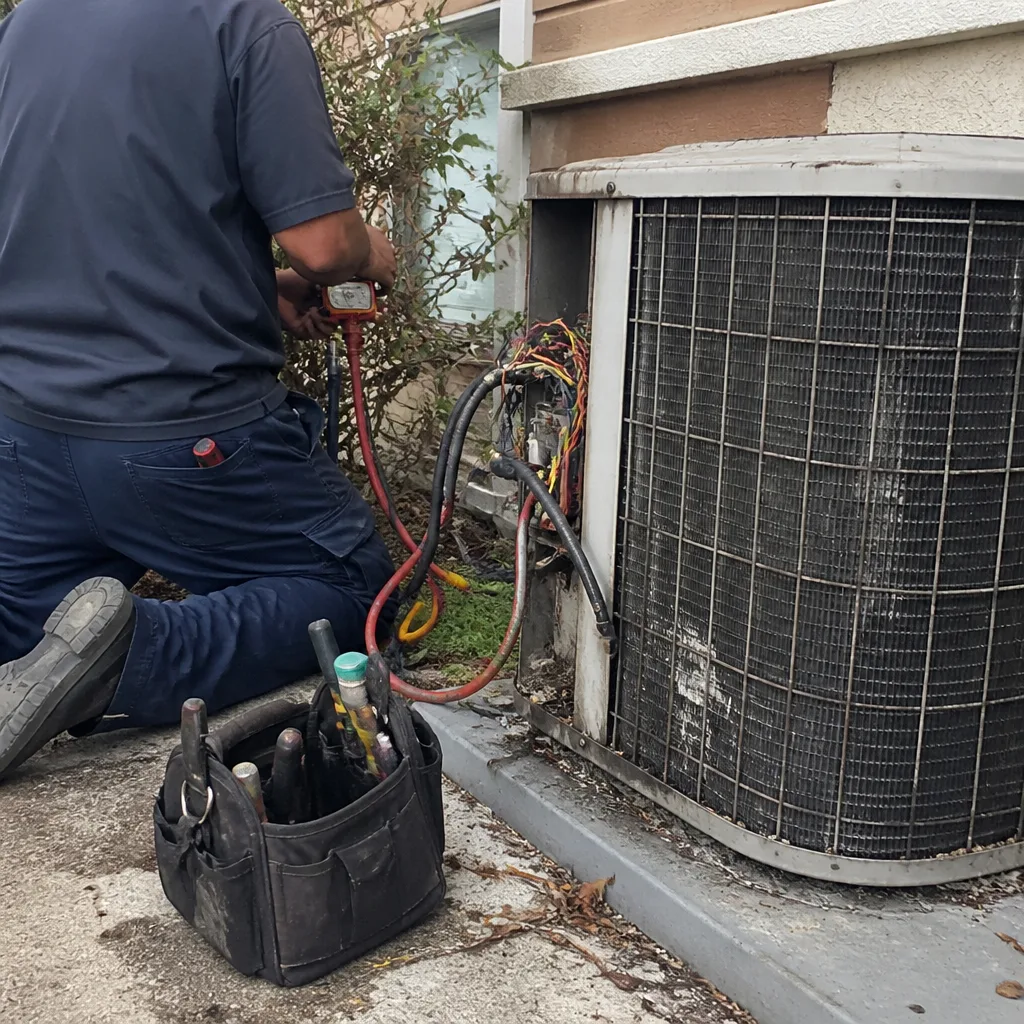 Before
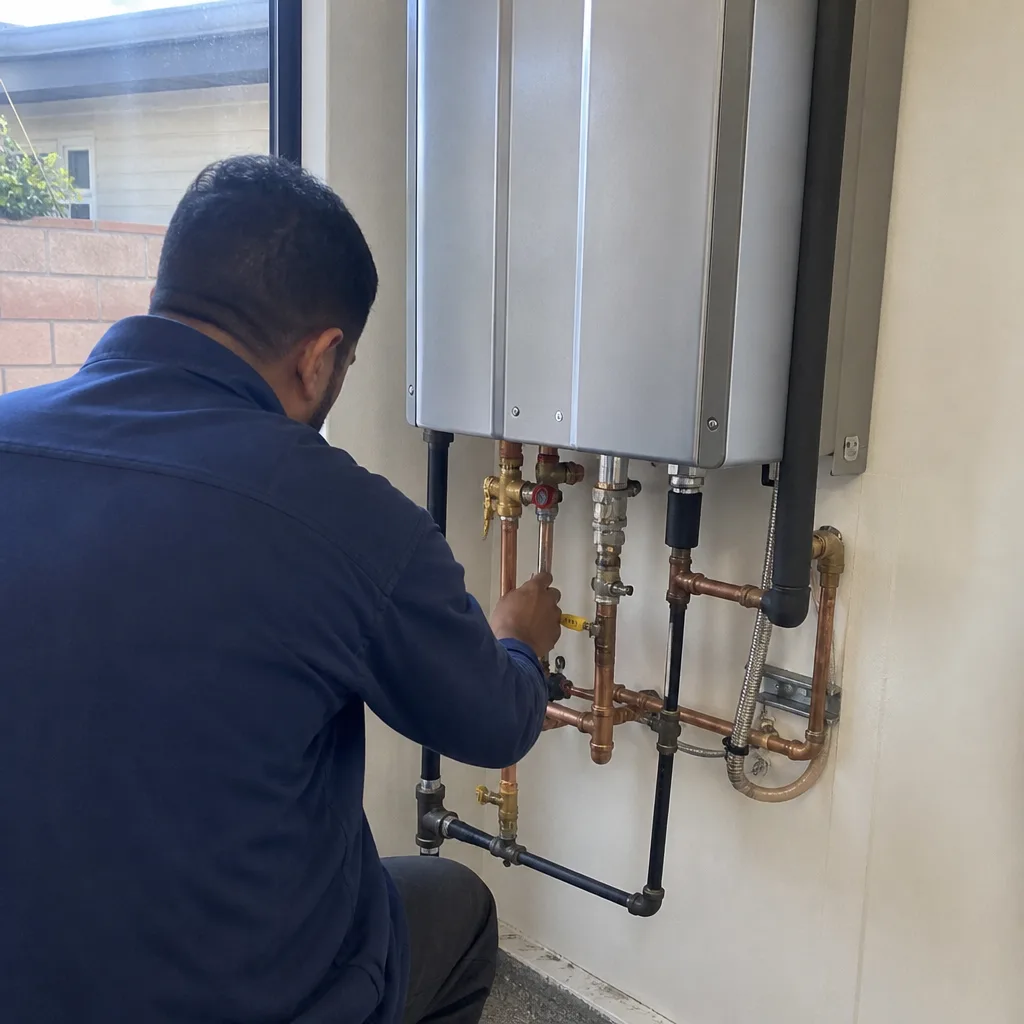 After
After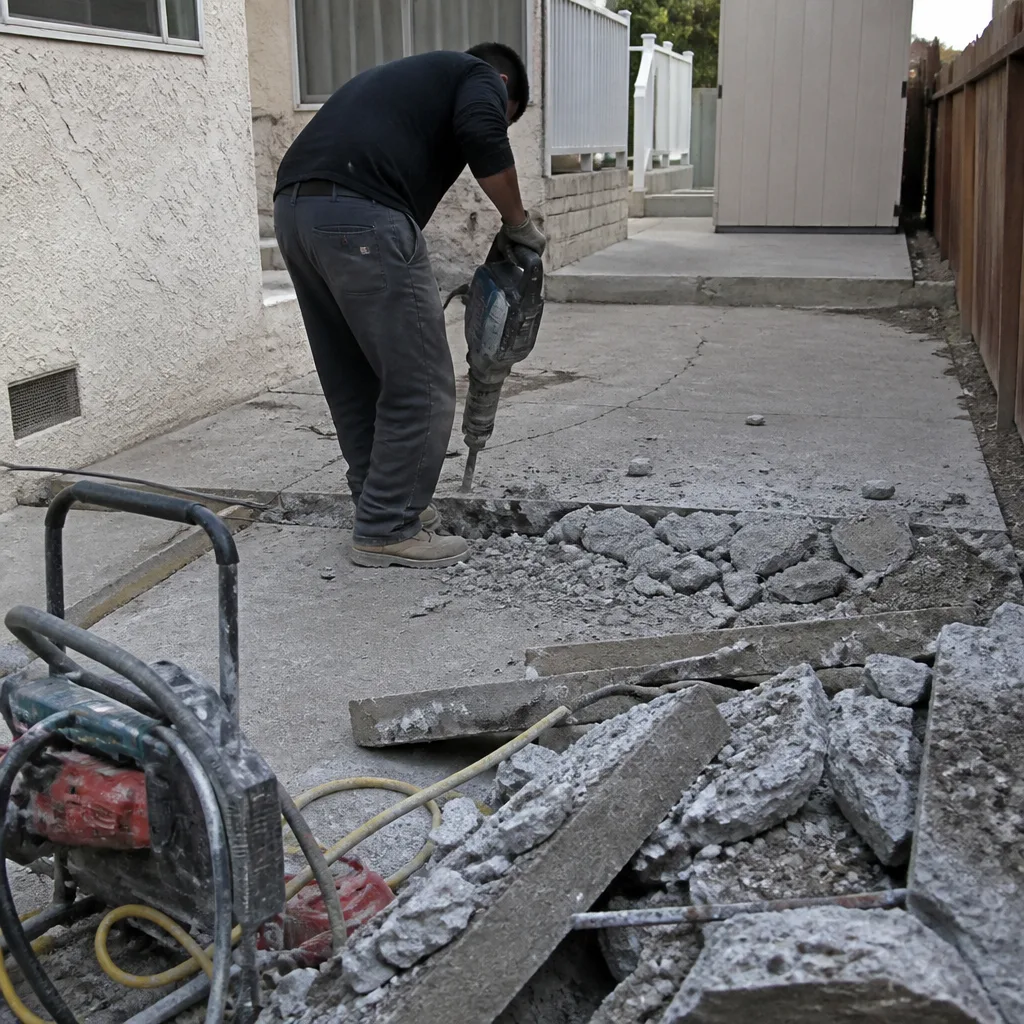 Before
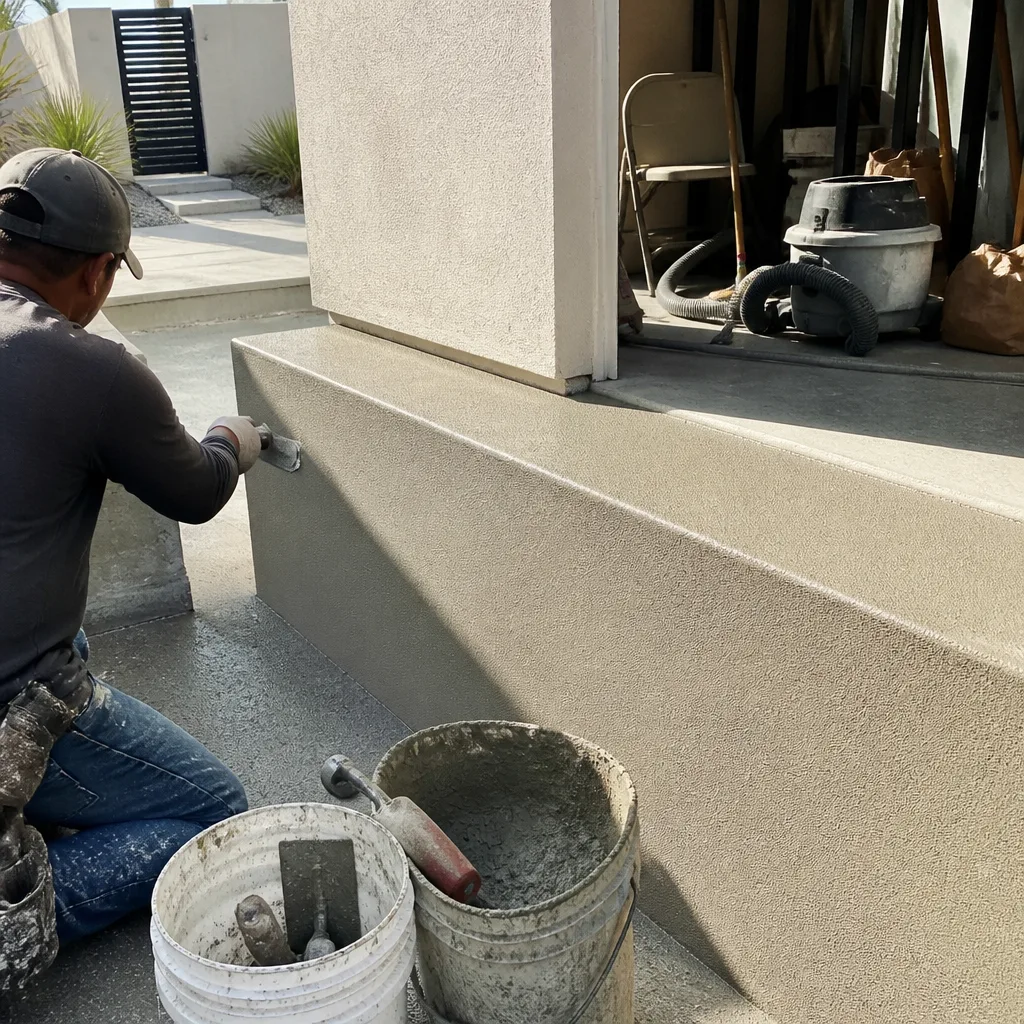 After
AfterReplacement Cost & What’s Included
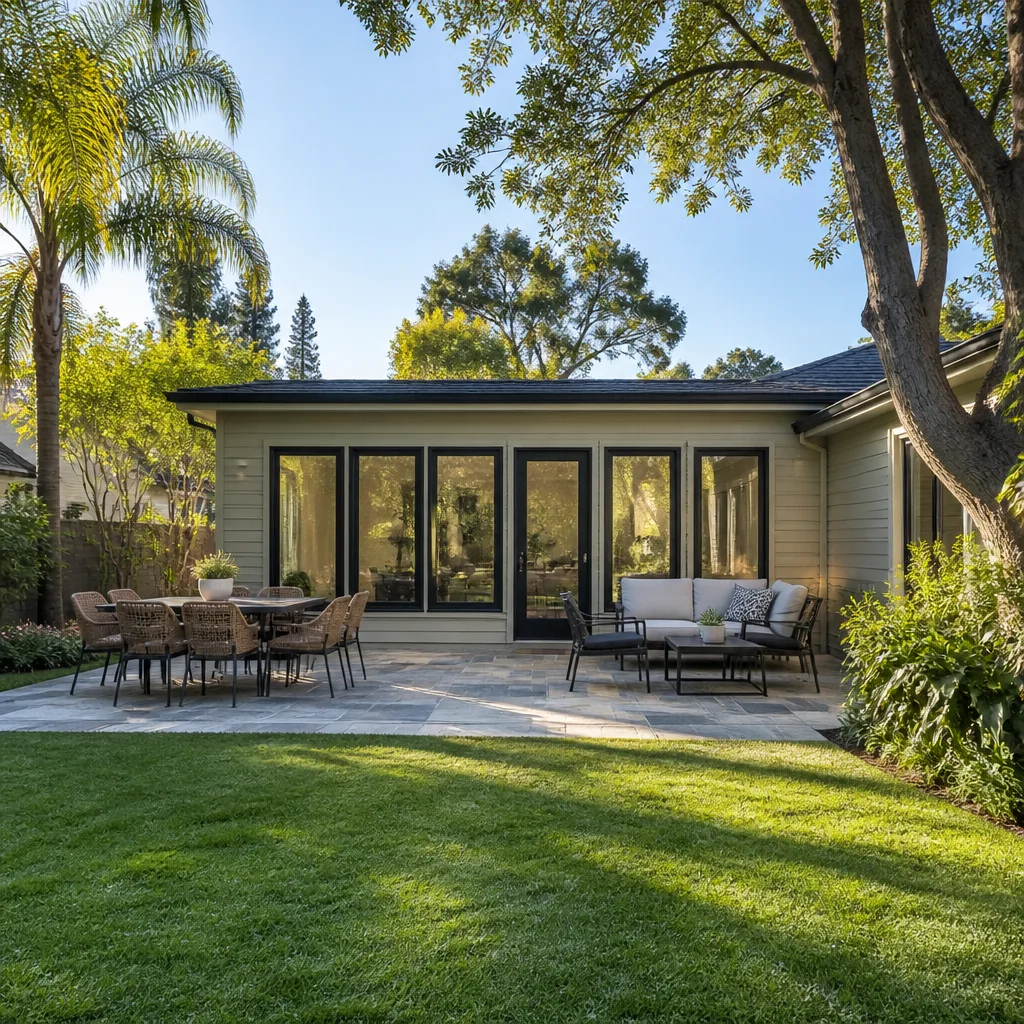
The lead cost range for Dvele home addition and ADU work in Torrance is $45,000 to $130,000 for home additions, while full ADU construction runs $90,000 to $220,000. Where you land depends on the scope: a panel seam repair and re-flashing job is at the low end; a full addition with foundation work, framing, mechanical rough-in, and finish work is at the high end. For comparison purposes, a garage conversion in Torrance runs $30,000 to $80,000, and that’s often a more economical path for owners who want livable space without a full foundation pour.
Every Dvele project we take on in Torrance gets a written line-item price before any work starts. That price includes all materials, labor, disposal, and permit fees when permits are required. You’ll know exactly what the parts cost and exactly what the labor costs. If we find something unexpected when we open the wall, we stop and talk to you before anything changes. No surprise invoices, no verbal estimates that grow on the final bill. Our workmanship warranty covers the full project for 365 days from the completion date, and if something we fixed fails within that year, we come back and make it right at no cost to you.
DIY or Call Us?
There are a few things you can safely check yourself: look for visible gaps at panel seams, check the interior walls and ceiling near the roofline for staining, and note whether doors and windows are suddenly sticking. That information helps us diagnose the issue before we arrive. What you should not do is open up a wall panel, remove flashing, or try to pull back the weather barrier. Panelized construction has tension points and connection hardware that aren’t obvious from the outside, and pulling the wrong fastener can compromise a panel’s shear connection to the structure. That’s a structural issue, not a caulk-and-paint fix. If the problem involves electrical connections or the automation system, leave the panel closed and call us. You should know what’s happening in your home before anyone starts work – that’s just the job.
Isaac Pruett has worked on Dvele homes throughout Torrance, including several near the Del Amo Fashion Center corridor, and he’s read enough of these panel systems to give you a straight answer before we pick up a tool. Call (424) 337-6939 and we’ll schedule a time to look at it.
FAQs
The structural panels themselves are built to last decades, but the connection materials – gaskets, flashing, weather barrier tape – have a real-world lifespan of 10 to 15 years in Torrance’s marine layer climate, and less if the original installation wasn’t detailed correctly. Coastal moisture accelerates degradation at the panel joints faster than inland climates. If your Dvele addition is more than 10 years old and you haven’t had the seams inspected, it’s time. Call (424) 337-6939 and we’ll come take a look.
In most cases, the seam can be repaired without replacing the panel. The panel itself is rarely the problem; the gasket, flashing, and weather barrier at the connection point are what fail. We remove the failed materials, inspect the panel edge for moisture damage, and re-detail the connection with new materials. Panel replacement is only necessary when moisture has compromised the panel’s structural integrity, which is uncommon if caught early. Call us for an honest assessment at (424) 337-6939.
A typical panel seam repair and re-flashing job takes two to three working days, including cure time for sealants. A full ADU build runs four to eight months depending on permitting, foundation work, and finish selections. We give you a written timeline with the written price before any work starts, so you know what to expect. Call (424) 337-6939 to schedule a free estimate.
Yes. We stock Dvele-compatible gasket profiles, flashing, and weather barrier materials at our Torrance location, plus common connection hardware. For OEM structural panels, we order direct from Dvele or their certified suppliers, and we’re honest about lead times before you commit to anything. We also stock parts for other brands you may have in the home, including KraftMaid cabinetry, Cambria and Silestone surfaces. Call (424) 337-6939 to confirm what’s on the shelf for your specific model.
Written by Isaac Pruett, Owner, Mason Remodeling Co Torrance at Mason Remodeling Co Torrance, serving Torrance and nearby areas.