Free written scope consultation - allowances, timeline, and change-order rules on paper before a single trade is scheduled
Plant Prefab Home Additions & ADU: The Torrance Owner’s Guide
A Plant Prefab home addition or ADU in Torrance typically runs $45,000 to $130,000 installed, depending on whether you’re expanding an existing panelized structure or building a detached unit from the factory kit. We see the same failure pattern across Torrance plant-prefab projects: the factory-built components are sound, but the site work around them wasn’t done to the same standard. Most owners call us because the joint where panelized wall sections meet the foundation or roof line has started separating, water is pooling at a connection point, or the prefab module isn’t sitting level anymore after a few Southern California seasons.
What surprises people is that a Plant Prefab addition rarely fails because of the prefab panels themselves. It fails at the interfaces: the sill plate connection, the roof-to-wall transition, the place where the factory module meets the site-built foundation. Those joints are where Torrance’s marine air, seasonal ground shift, and the occasional earthquake do their work. Isaac Pruett has walked enough of these projects to know that the fix usually means correcting the site-level work underneath and around the factory components, not replacing the panels.
Which Plant Prefab Models This Applies To
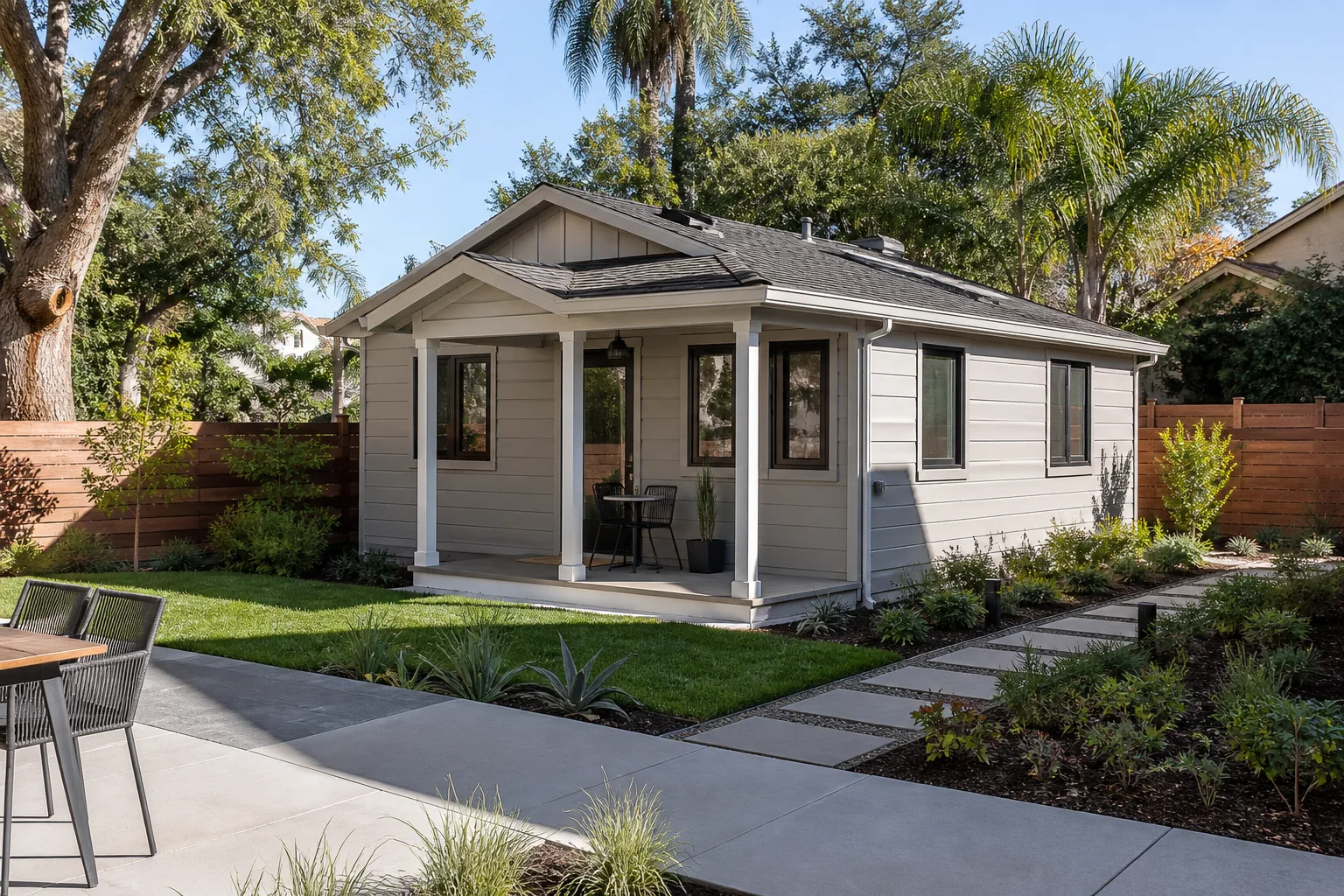
Plant Prefab builds panelized and modular systems across several lines, including their LivingHomes series and custom panelized packages. The compatibility question that matters most in Torrance isn’t which model name is printed on your order sheet. It’s which connection system your addition uses. Older Plant Prefab kits from the early 2010s used different sill anchor patterns than current production, and some Torrance homes we visit are dealing with kits installed a decade or more ago. The anchor spacing, the flashing detail at the roof transition, and the specified foundation tolerance all vary by production year.
Here’s the information gain detail most pages won’t give you: Plant Prefab panelized wall sections are engineered for a foundation that’s within 1/8 inch of level across a 10-foot run. Torrance soil, especially in the neighborhoods east of Hawthorne Boulevard where clay content runs higher, moves more than that between wet winters and dry summers. When the foundation shifts beyond that tolerance, the panel joints start working loose. That’s not a manufacturer defect. It’s a site-conditions reality, and it’s the first thing we check when we’re called out to diagnose a prefab addition that’s showing stress.
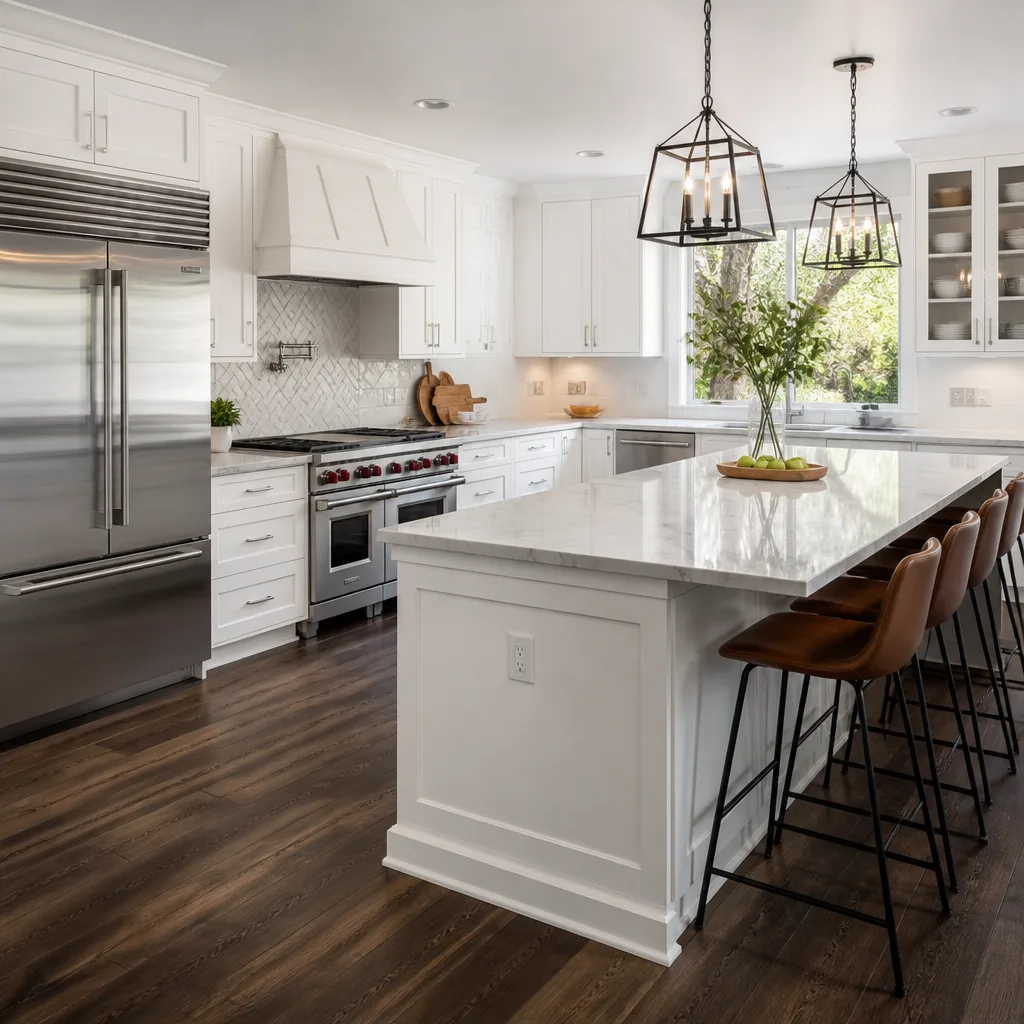
For aftermarket parts, you have options. Connection hardware, sill gaskets, flashing, and sealants all have quality substitutes that meet or exceed Plant Prefab’s original specifications. Structural components, like the panel sections themselves, should stay OEM or be field-engineered to match. We’ve worked with KraftMaid and Cambria on interior finish packages for prefab additions, and Silestone for counter surfaces, so the interior end of this work doesn’t have to look like it came off a factory line.
Independent note: Mason Remodeling Co Torrance is an independent contractor. We’re not affiliated with Plant Prefab. We work on their systems because they’re prevalent in Torrance and we know the failure points.
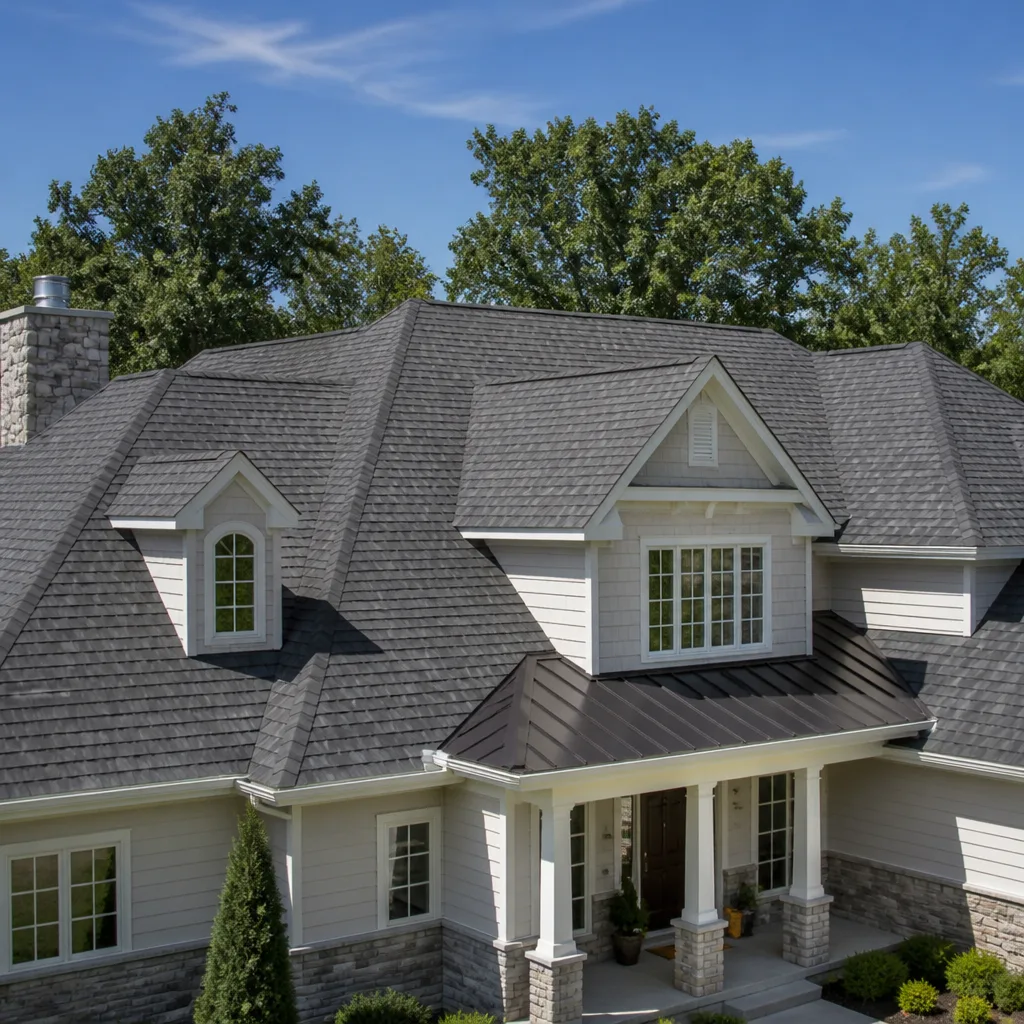
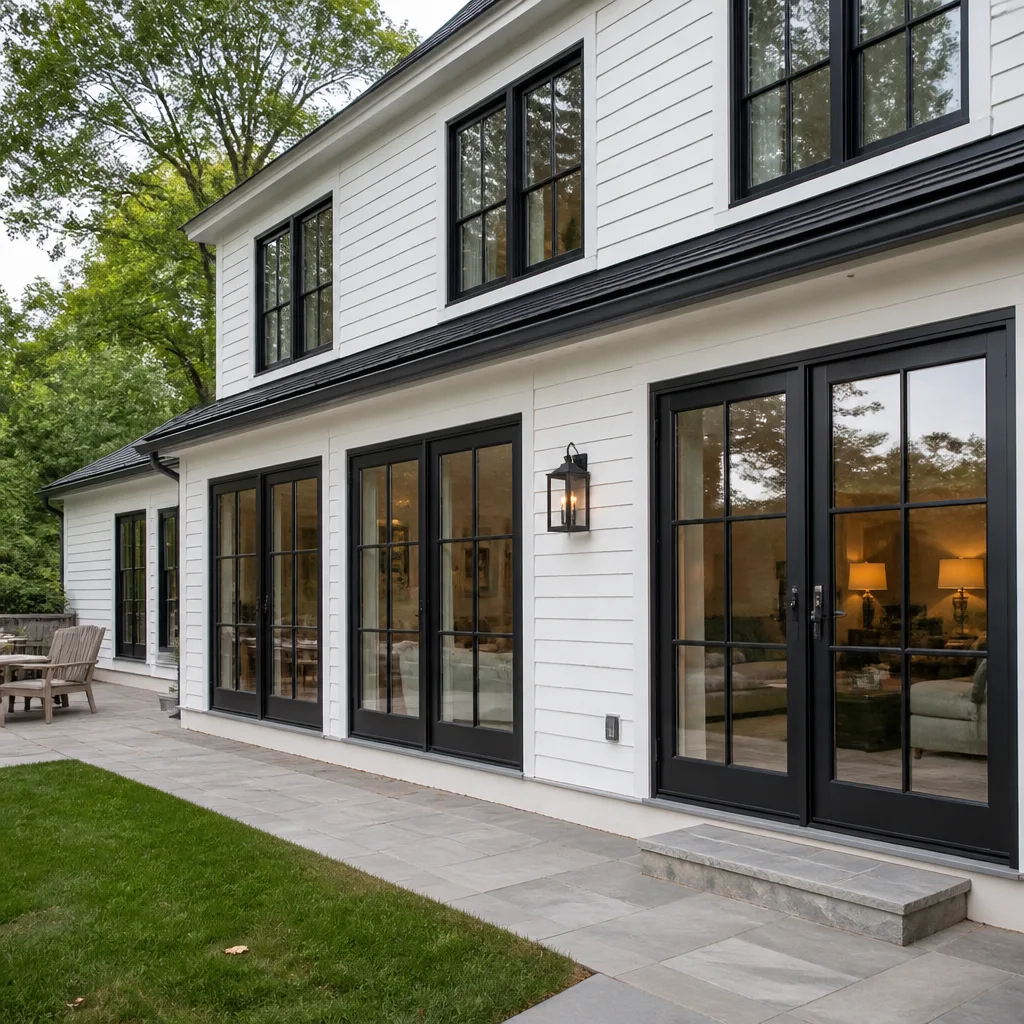
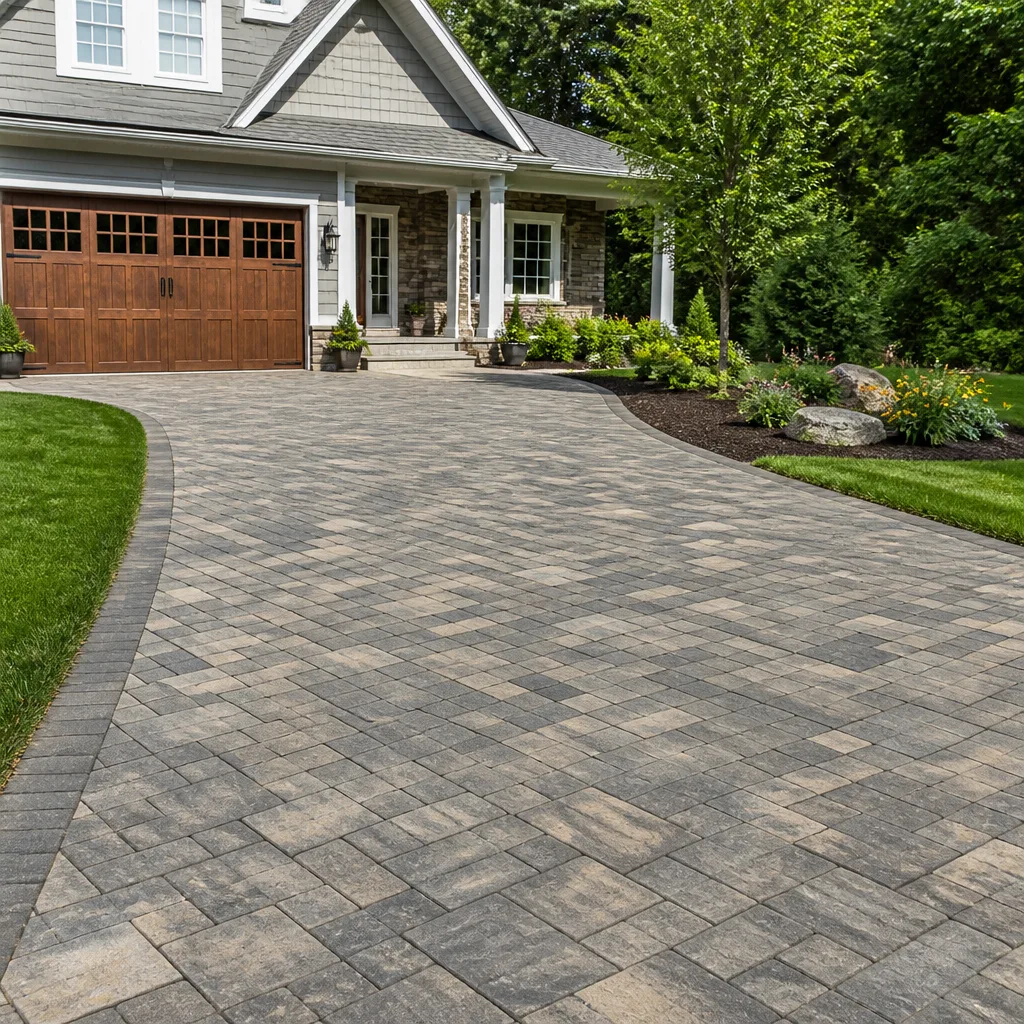
Styles & brands we work with
Signs Your Plant Prefab Home Additions & ADU Is Failing
- Visible gap at the wall-to-ceiling joint. Panelized walls and roof sections expand and contract at slightly different rates. When the connection hardware loosens or the original sealant fails, you’ll see a hairline gap that grows into a visible separation line. This is the most common early warning sign we find in Torrance.
- Doors or windows binding inside the addition. A prefab structure that’s settled unevenly will transfer that movement to the openings. If a door that used to close cleanly now scrapes the jamb, the floor or wall plane has shifted. In Torrance, this often traces back to foundation movement, not a hinge problem.
- Musty smell or water staining at the floor line. The sill connection is where factory-built wall panels meet a site-built foundation. The gasket and sealant at that joint degrade over time, and Torrance’s coastal humidity accelerates the process. Water wicks in, and the first sign is often a smell before visible staining appears.
- Rust staining or streaking at metal connection points. The steel hardware that ties panel sections together is exposed to salt air in Torrance, especially west of Crenshaw. Rust stains on the exterior or interior drywall near a connection point mean the hardware is corroding and losing clamping force.
- Creaking or popping sounds when the wind blows. A properly connected prefab addition should feel monolithic. When you hear movement at the panel joints during Santa Ana wind events, the mechanical connections have loosened. That’s a signal to address it before the movement widens the gaps and lets water in.
See the difference
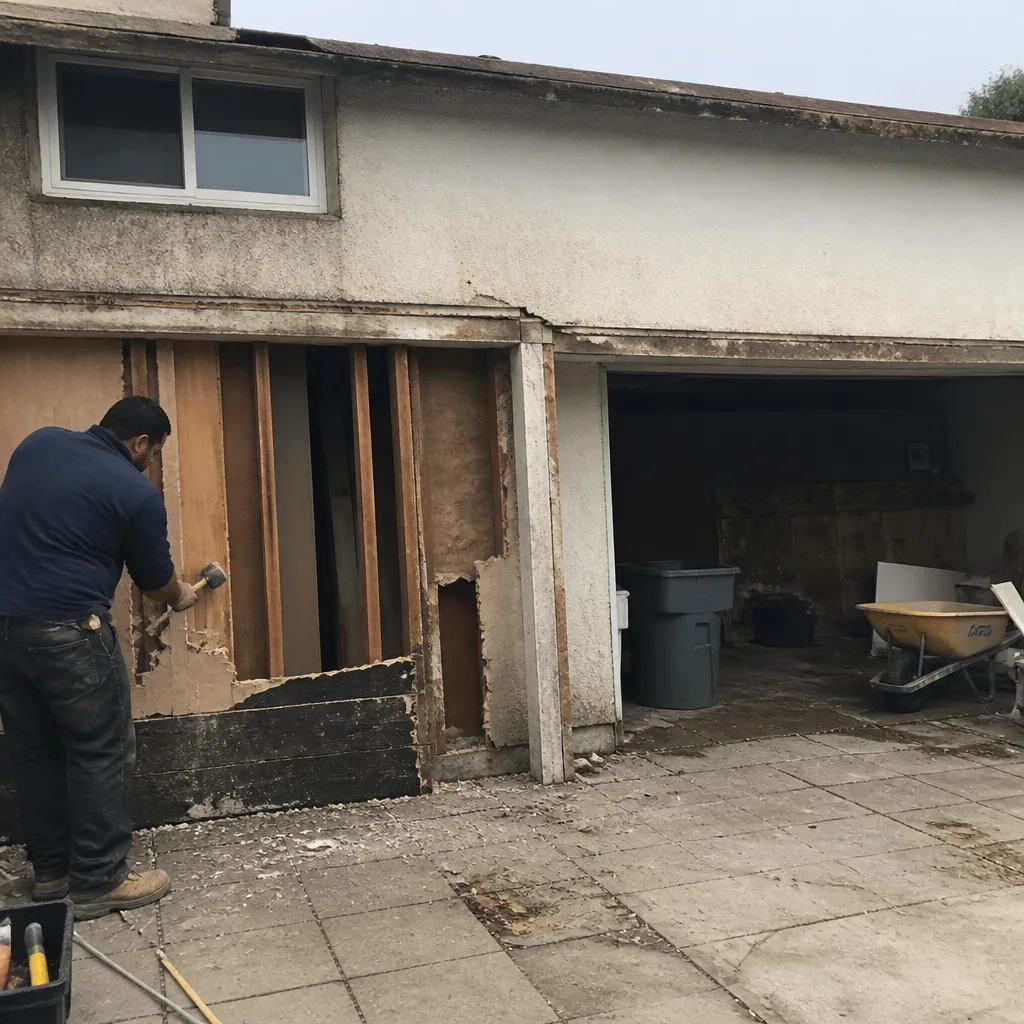 Before
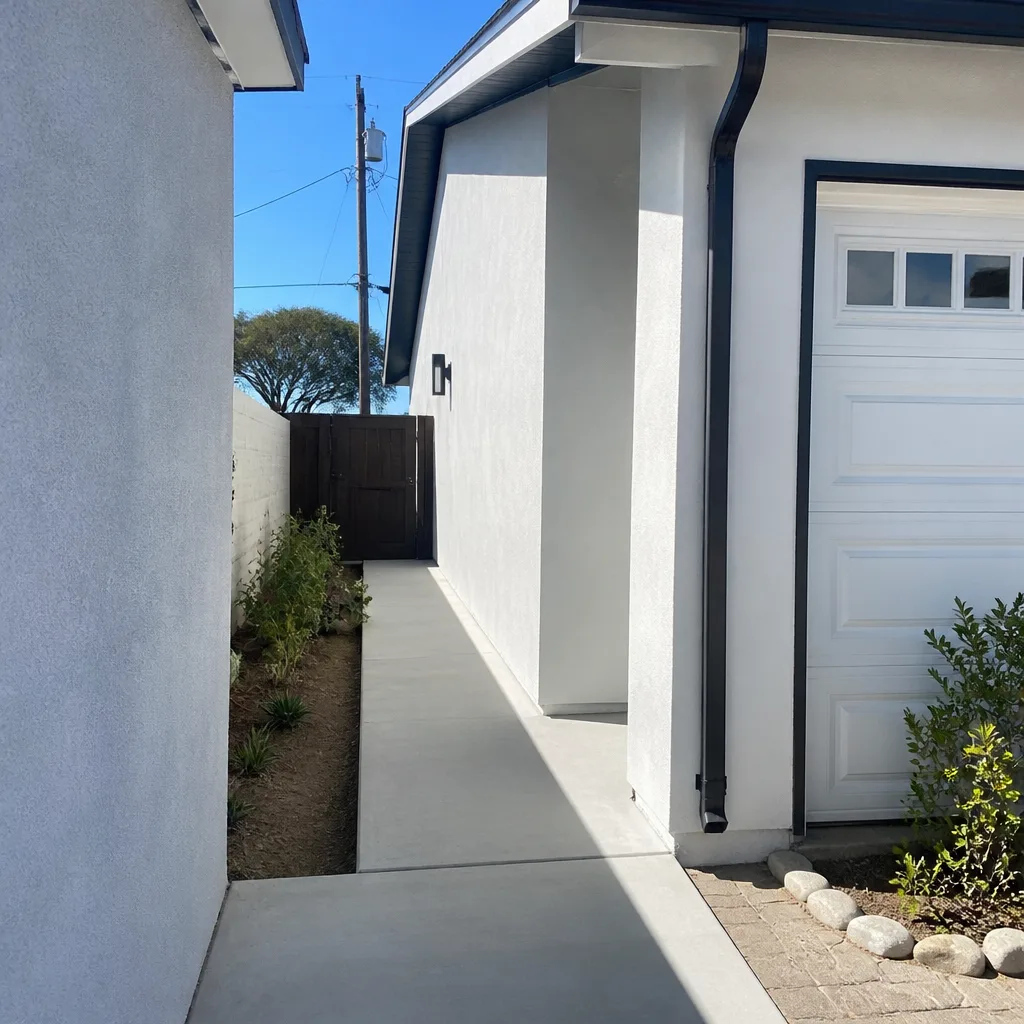 After
After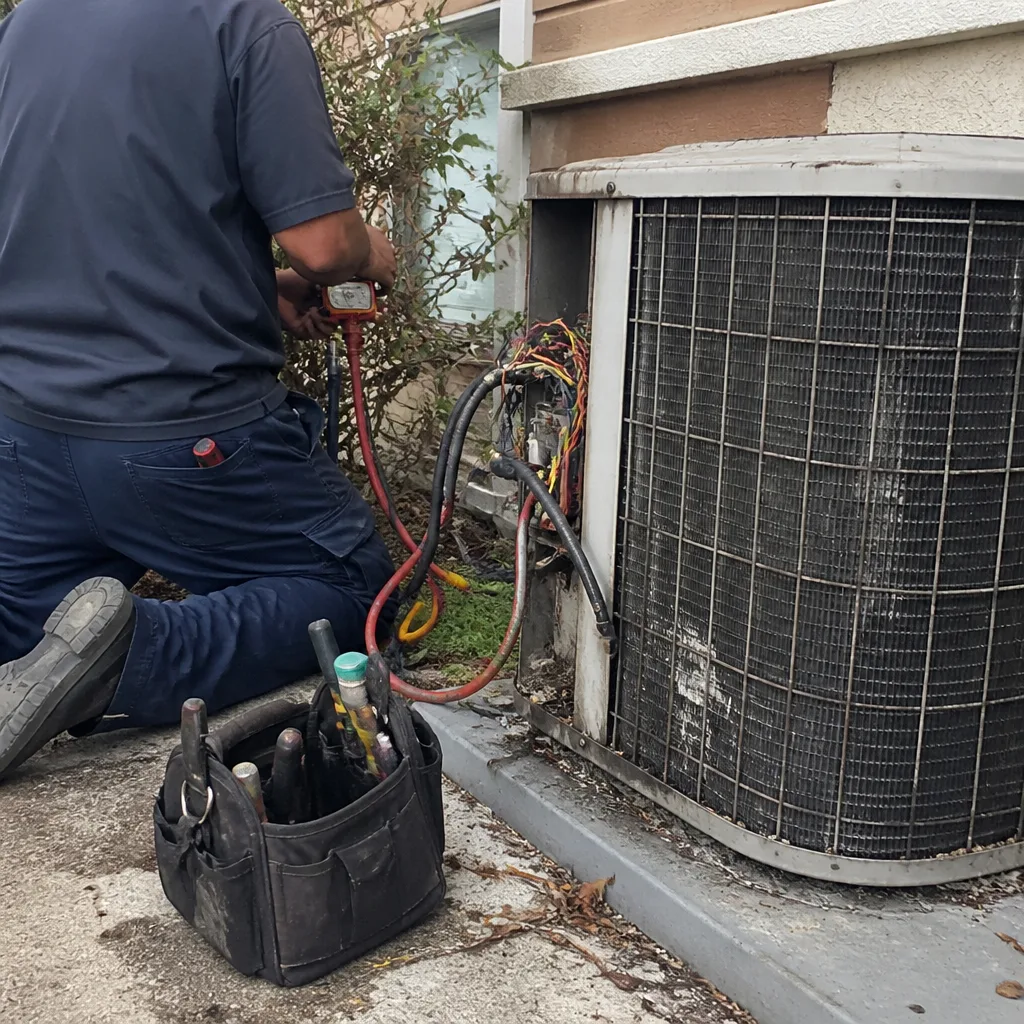 Before
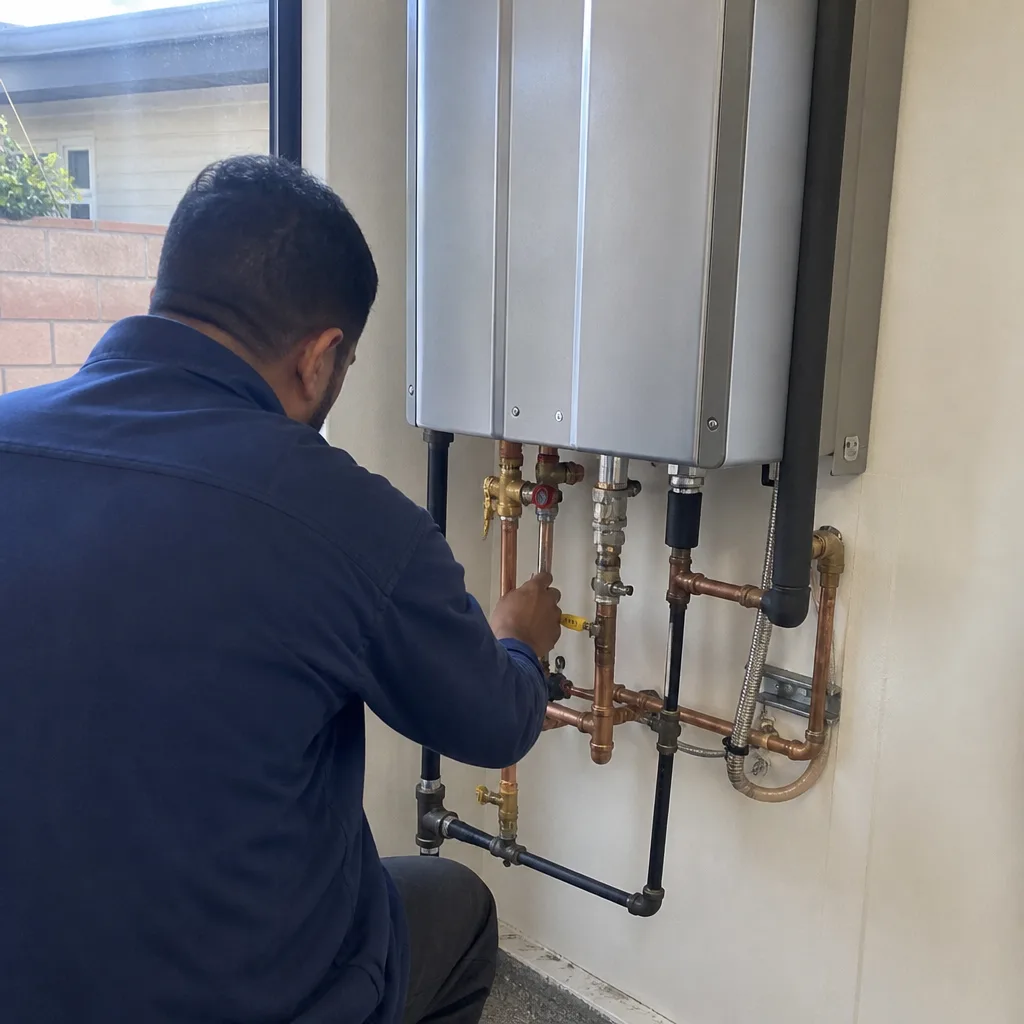 After
After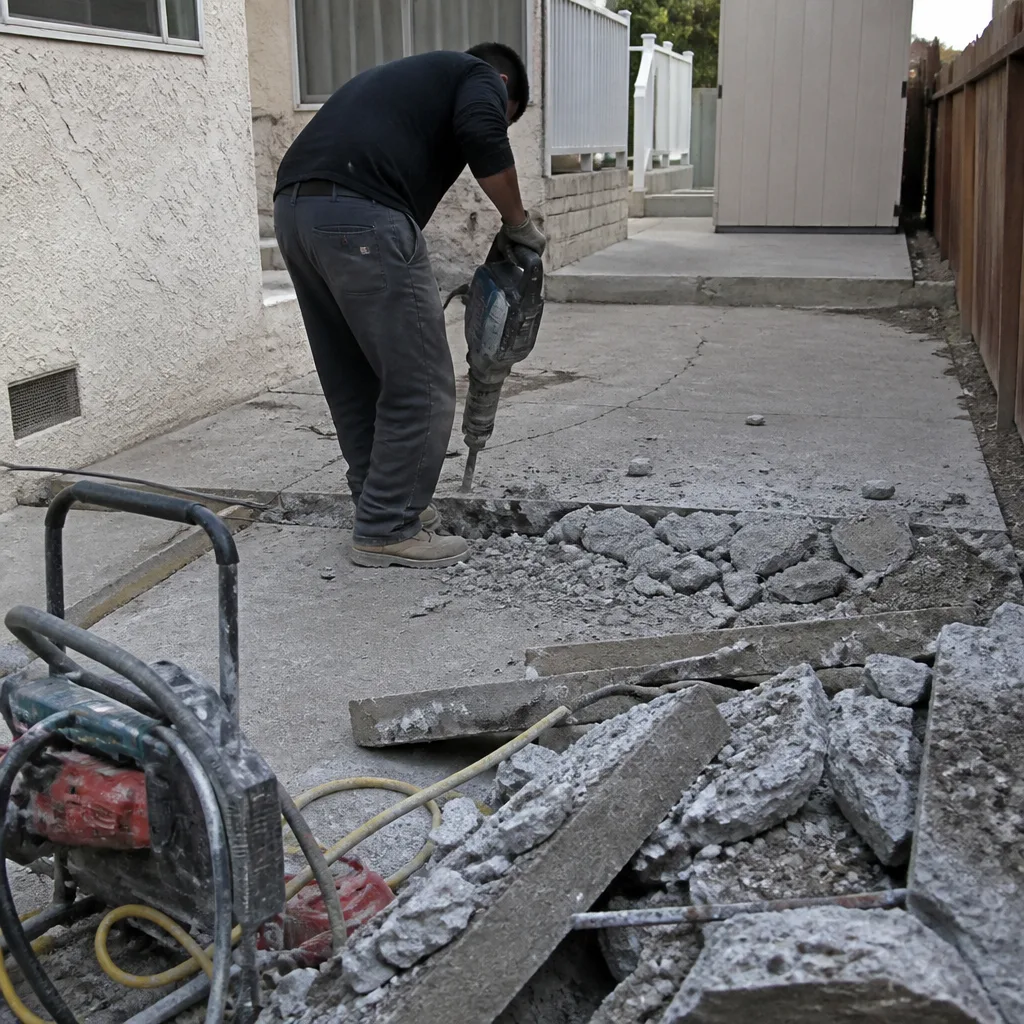 Before
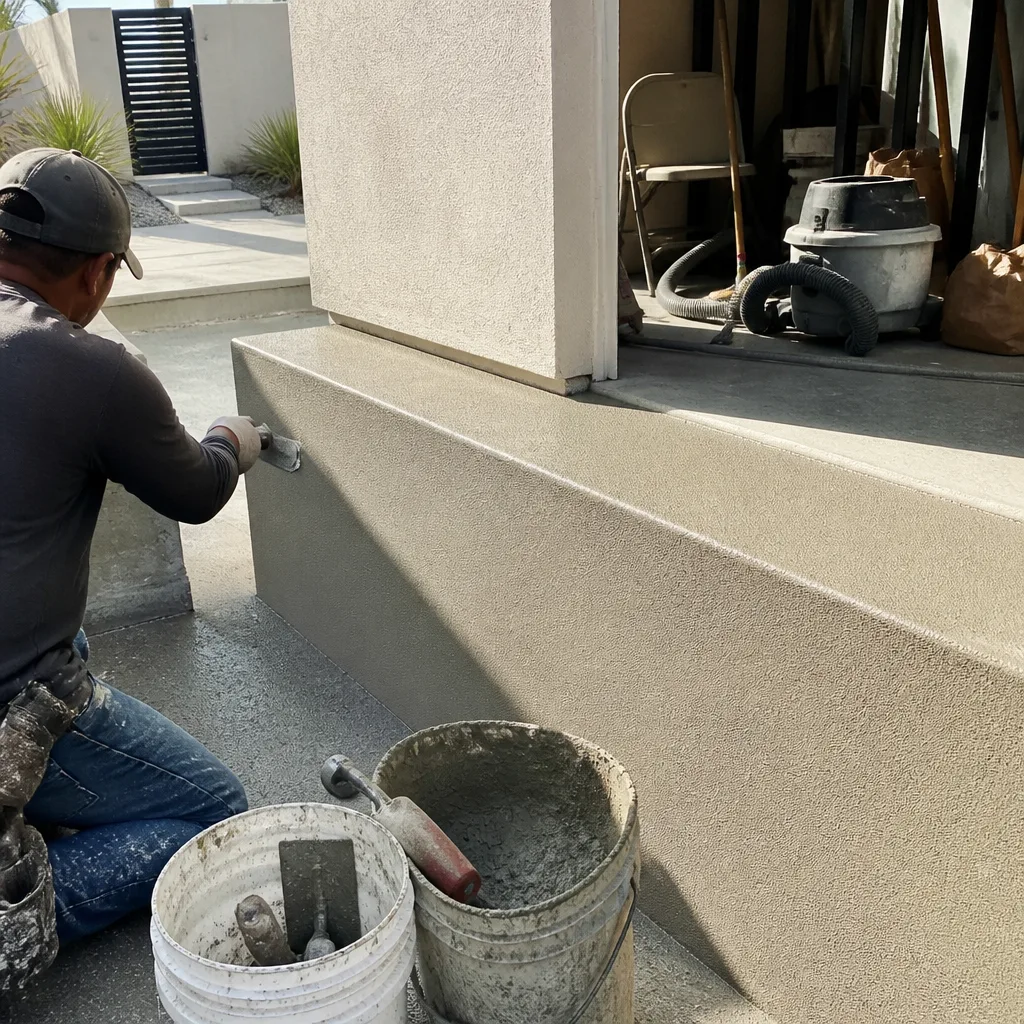 After
AfterReplacement Cost & What’s Included
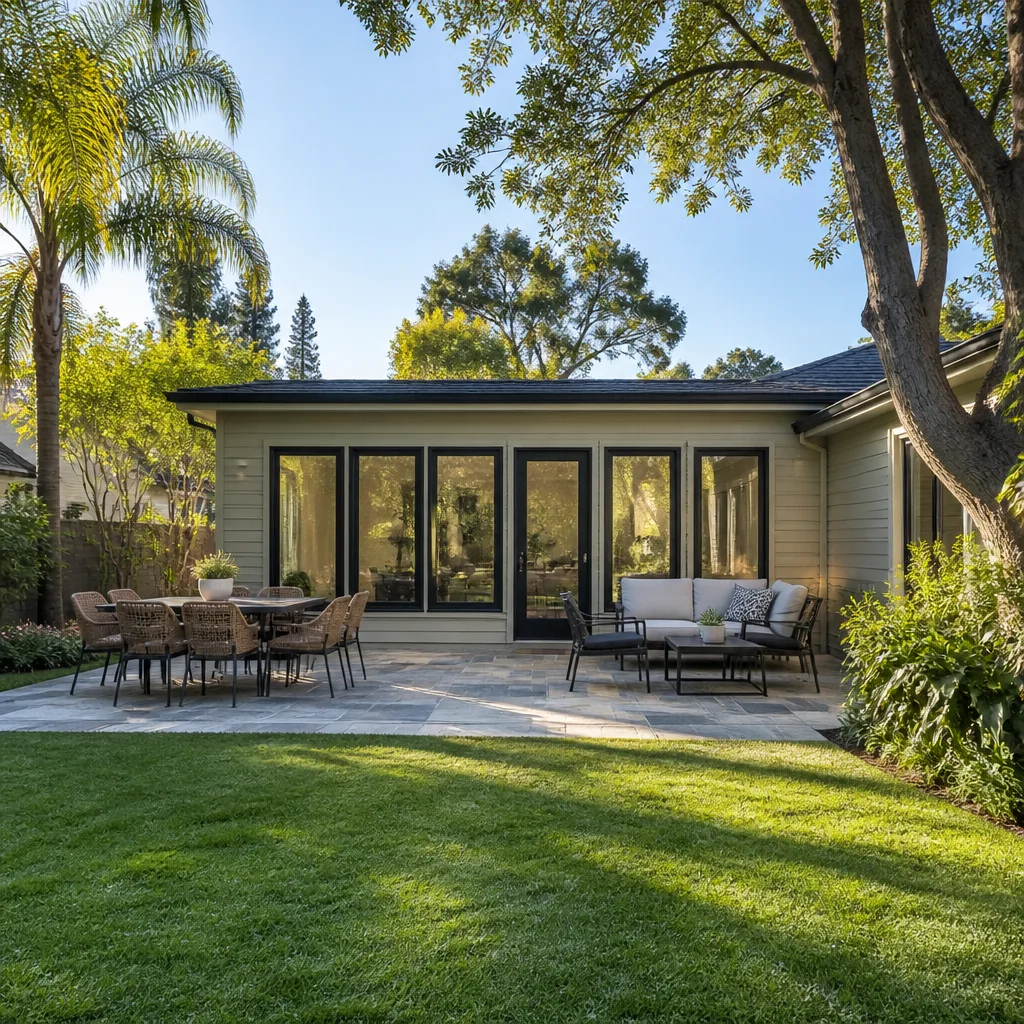
In Torrance, expect to pay $45,000 to $130,000 for a Plant Prefab home addition or ADU project, including parts, labor, and the necessary site corrections. The big driver is scope. A partial remediation of failing connection points on an existing prefab addition sits at the lower end of that range. A full ADU build from a Plant Prefab kit, with foundation, utility connections, and finish work, lands at the top or beyond the stated range depending on site conditions. ADU construction as a standalone category runs $90,000 to $220,000 in Torrance, which accounts for the full range of site work, permitting, and utility hookups that accompany any detached unit.
| Scope of Work | Typical Torrance Range |
|---|---|
| Connection point remediation (existing addition) | $45,000 – $65,000 |
| Full home addition (panelized, with finishes) | $65,000 – $130,000 |
| Garage conversion to living space | $30,000 – $80,000 |
| ADU construction (detached, complete) | $90,000 – $220,000 |
Every estimate we give in Torrance is a written price delivered before any work starts. You’ll know exactly what you’re paying, what parts we’re using, and what the warranty covers. Our 365-Day Done Right Promise applies: if the work isn’t right within a year of completion, we make it right at no cost to you. No surprise invoices, no verbal estimates that grow on the final bill.
DIY or Call Us?
There are things you can safely check on your own, and things you should not touch. You can visually inspect the panel joints, take photos of gaps or staining, and check whether doors are binding. Documenting what you’re seeing gives us a head start when you call.
What you should not do is attempt structural repairs. Re-tensioning connection hardware, jacking a settled floor system, or re-flashing a roof transition on a prefab structure requires understanding how the load paths work through the factory components. Get it wrong and you can damage the panels themselves, which is more expensive than the original problem. Roof and structural work on a prefab addition also carries real fall risk. If you’re seeing the signs above, call us at (424) 337-6939. We’ll send someone who can read the site correctly the first time.
FAQs
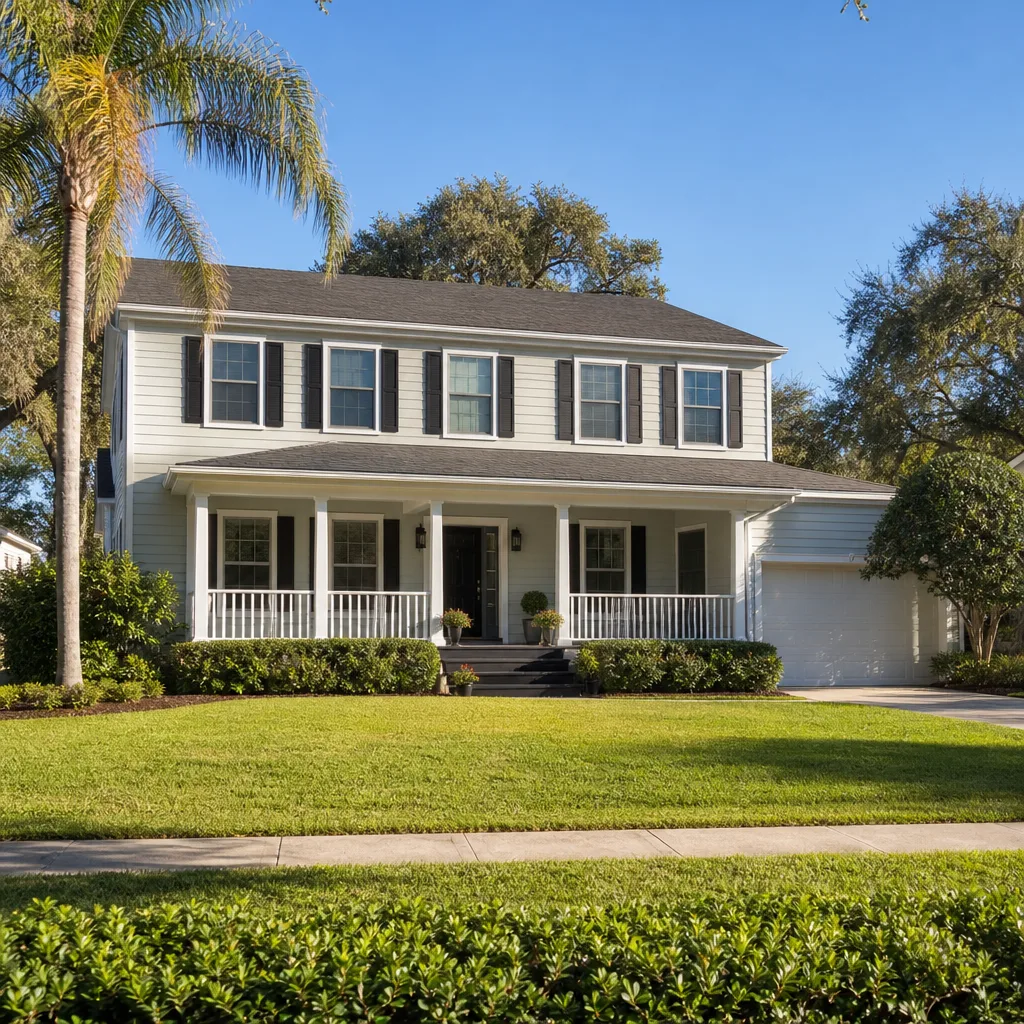
A properly installed Plant Prefab addition should last 50 years or more on the structural side, but the connection points and sealants typically need service every 10 to 15 years in Torrance’s coastal climate. The salt air, clay soil movement, and occasional seismic activity all wear on the interfaces between factory components and site work. Call (424) 337-6939 if your addition is approaching that service window and you’re seeing joint gaps or water staining.
Yes, in most cases the failing components are the connection hardware, sealants, and foundation interfaces, not the prefab panels themselves. We repair or replace the connection points, correct any foundation settlement issues, and reseal the joints. Full panel replacement is rare and usually only needed after water damage has compromised the panel integrity. Call (424) 337-6939 for an assessment.
A connection repair on an existing prefab addition typically takes one to two weeks. A full ADU build from a Plant Prefab kit runs three to six months, including permitting, foundation work, utility hookups, and finish trim. Torrance’s permitting process adds time that varies by project scope. We’ll give you a written timeline with your written price before any work starts.
We stock the common failure point parts on our trucks: sill gaskets, flashing, sealants, and connection hardware sized for Plant Prefab panel systems. For model-specific structural components, we order OEM or field-engineer equivalents as needed. If you know your model or production year, we can usually have the right parts on hand for the first visit. Call (424) 337-6939 and tell us what you’re seeing.
Written by Isaac Pruett, Owner, Mason Remodeling Co Torrance at Mason Remodeling Co Torrance, serving Torrance and nearby areas.