Last updated October 15, 2026






Free written scope consultation - allowances, timeline, and change-order rules on paper before a single trade is scheduled
Construction Warning Signs: A Torrance Homeowner’s Reference Guide
Most homeowners enter a remodel believing the hardest part is choosing a contractor. By the time the contract is signed, the permit is pulled, and the first truck shows up, they think the vetting is over. It isn’t. A construction project that passes every pre-hire check can still go wrong by week two, and the warning signs that appear during active work are ones most Torrance homeowners have never been told to look for. This guide covers what actually happens after demolition starts: the on-site signals, the financial maneuvers, and the paperwork gaps that separate a smooth project from one that ends in a dispute. If you’re planning a kitchen, bath, or whole-home project in Torrance, this is the reference you’ll want bookmarked before the first hammer swings, and you can find more guides & resources on our blog.
Styles & brands we work with





Quick Answer
The most reliable construction warning signs in Torrance fall into four categories: on-site red flags (unmarked material deliveries, subcontractors who can’t name their general contractor, inspections that never get scheduled), financial red flags (early draw requests before completed milestones, vague change-order language, cash-only demands), workmanship red flags (framing gaps beyond code tolerance, improperly shimmed windows, inconsistent grout lines), and documentation red flags (unsigned permits, missing inspection sign-offs, materials that don’t match the approved plan set). Spotting these early, documenting them, and knowing when to contact Torrance Building & Safety can save a homeowner tens of thousands of dollars.
Table of Contents
- On-Site Warning Signs During Active Work
- Financial Warning Signs Mid-Project
- Workmanship Red Flags a Non-Expert Can Spot
- Documentation Red Flags
- What to Do When You Spot a Warning Sign
- Torrance-Specific Considerations
- Common Mistakes to Avoid
- When to Call a Professional
- Frequently Asked Questions
- The Bottom Line
On-Site Warning Signs During Active Work
The jobsite tells you things a contractor’s sales pitch never will. Once work begins, you have a front-row seat to how the project is actually being run, and the first three weeks typically reveal the truth. In our experience across Torrance neighborhoods from Seaside Ranchos to Southwood, the homeowners who catch problems early are the ones who walk their own jobsite every evening after the crew leaves. Here are the on-site signals that warrant immediate attention.
Unmarked Material Deliveries
Legitimate material suppliers in the South Bay deliver with clearly marked trucks and paperwork that names the job address, the contractor, and the purchase order. When materials arrive on an unmarked flatbed or in a rental truck with no delivery ticket, that’s a flag. It can mean the contractor is sourcing from a discount liquidation yard, substituting unapproved products, or has lost credit with standard suppliers and is paying cash at will-call counters. Always ask for the delivery manifest. If a contractor can’t produce one for a pallet of tile or a lumber drop, that material has no chain of custody, and you have no proof it meets the specs in your contract.
Subcontractors Who Can’t Name Their General Contractor
This is one of the most underrated red flags on any Torrance jobsite. Every sub on a project, whether it’s the electrician, the plumber, the tile setter, or the drywall crew, should be able to tell you instantly who hired them and who signs their check. When a sub shrugs or gives a vague answer, it often means they were hired by a middleman, a day-labor broker, or someone who is not the licensed contractor you signed with. That breaks the chain of accountability. If something goes wrong, you have no legal relationship with that worker, and your general contractor may disclaim responsibility. At Mason Remodeling Co Torrance home projects, every crew member and sub is verified by name and photo before they ever set foot on the property, a standard we call The Threshold Standard. You should expect the same level of transparency from any contractor you hire.
Inspections That Never Get Scheduled
In Torrance, any structural, electrical, plumbing, or mechanical work requires inspections by the city’s Building & Safety division. The inspection schedule is not optional. If your contractor tells you inspections are on the way but weeks pass with no inspector visit, no green inspection card update, and no proof of scheduling, that’s not a scheduling conflict. That’s avoidance. Inspections cost time and expose substandard work, which is exactly why some contractors delay them. A legitimate contractor in Torrance schedules inspections as each phase completes: rough framing, rough electrical, rough plumbing, insulation, drywall, and final. If you’re not seeing that cadence, ask for the inspection request confirmation number. Torrance Building & Safety provides one for every scheduled visit.
High Crew Turnover on Your Job
A project that cycles through three different tile crews or two different framing teams in a month is a project in trouble. High turnover usually means the original crew quit over payment disputes, the contractor is shopping for cheaper labor mid-project, or the scope of work is being piecemealed out to whoever is available. Stable contractors keep stable crews. When you meet your lead carpenter on day one, that same person should be on the job at week six. If you’re introducing yourself to new faces every Monday morning, stop and ask why. At General Contractor in Torrance projects, the lead on each job is an identity-verified professional whose name and photo you receive before the work begins.
Long Stretches With No Work Happening
Construction has natural pauses: you can’t tile until the subfloor cures, and you can’t drywall until inspections pass. But a jobsite that sits dark for two or three weeks with no explanation and no forward progress is a warning sign. It typically means the contractor has overextended across too many projects, is waiting on materials they haven’t paid for, or has cash-flow problems. The best defense is a written schedule with milestone dates in your contract before work starts. If your contractor didn’t provide one, ask for a written update on what’s blocking progress and when work resumes. A direct answer within 24 hours is normal. Evasive answers that stretch into a second week are not.
Financial Warning Signs Mid-Project
The money side of a remodel is where honest homeowners get hurt the most. A contractor who is doing good physical work can still be running a financial game, and by the time you realize it, the money has already moved. The warning signs below are all things we’ve seen in Torrance projects that started well and ended in litigation or abandoned work.
Early Requests for Draw Payments Ahead of Completed Milestones
Every legitimate contract in California ties payment to completed milestones: demolition done, rough framing passed inspection, rough electrical passed, drywall hung, and so on. A draw request should never come before the milestone is actually complete and verifiable. When a contractor asks for the next draw a week early because “we need to order materials” or “the crew needs to get paid,” that’s a liquidity warning. The contractor may be using your project’s cash to fund someone else’s. Your answer should be simple: the draw releases when the milestone is done, inspected where required, and verified. Never release money on a promise.
Vague Change-Order Language
Change orders happen on almost every remodel. What shouldn’t happen is a change order that reads “additional work as discussed” or “per owner request” with a dollar figure and no line items. A legitimate change order in Torrance should specify the exact scope change, the materials involved, the labor hours, the price, and the schedule impact, all in writing, signed by both parties before the work begins. The vague change order is how contractors inflate a $9,000 project into a $16,000 one without ever having a hard conversation about it. If a change order lacks specificity, don’t sign it. Ask for the line items. This hold-the-line practice is exactly why Mason Remodeling Co Torrance delivers a written price before any work starts, on every project, with no change orders unless the homeowner requests a scope change in writing first.
Cash-Only Demands
Any contractor asking for cash payment, especially large sums in cash, is operating outside normal business practices. Cash leaves no paper trail. It can’t be traced, it can’t be disputed, and it often signals an attempt to avoid taxes, avoid a paper record of the transaction, or avoid paying subcontractors. In California, legitimate contractors accept checks, credit cards, or bank transfers and issue receipts for every payment. If a contractor asks you to pay a crew member directly in cash, that’s an even bigger flag. It means the contractor may not actually be paying their subs, and you’re being drawn into a payment dispute that isn’t yours. Insist on traceable payment methods for every dollar.
Lien Waivers That Never Appear
When you pay a draw, you should receive a conditional lien waiver from the contractor and, ideally, from the major subcontractors and suppliers on that phase of work. A lien waiver is a legal document that says “I’ve been paid for work through this date, and I waive my right to file a mechanic’s lien against the property for that amount.” If you’re paying draws and never receiving lien waivers, you could end up paying for the same work twice. A subcontractor who doesn’t get paid by their general contractor can file a mechanic’s lien against your home in Torrance, even if you paid the general contractor in full. That’s not a theoretical risk. It happens in the South Bay regularly, and it’s one of the most expensive lessons a homeowner can learn.
The Price Creep That Never Ends
A project that starts at $45,000 should not end at $78,000 without major scope changes. Some creep is normal: you decide on a different tile, you add a niche in the shower, you upgrade to plywood cabinets instead of particleboard. But when the original contract price is being inflated by a dozen small change orders that were never clearly requested or documented, that’s a pattern. Look back at every change order and ask yourself: did I initiate this, or did the contractor? If most of them originated with the contractor, you’re being upsold through project friction. Bathroom Remodeling in Torrance work is particularly vulnerable to this because the sub-trades are numerous and the change-order opportunities are constant.
Workmanship Red Flags a Non-Expert Can Spot
You don’t need a contractor’s license to spot bad framing or sloppy tile work. You need to know what good looks like and to look at the work while it’s still exposed. The best time to catch workmanship problems is before the drywall goes up and before the grout is sealed. After that, the evidence is hidden, and you’re relying on trust. Here are the visible red flags anyone can identify.
Framing Gaps Beyond Code Tolerance
Framing is the skeleton of your remodel. When studs don’t sit flush against the top and bottom plates, when headers aren’t tight to the king studs, when gaps between framing members exceed a quarter inch, the structure is compromised. In Torrance, where older homes from the 1950s and 1960s often have settled or out-of-square framing, the temptation for a lazy crew is to force new lumber onto an old footprint with shims, nails, and hope. That’s not acceptable. The framing should be tight. If you can see daylight through a joint that should be flush, or if you can wiggle a stud by hand, that’s a call to your contractor and potentially to the city inspector. Don’t let anyone tell you “the drywall will cover it.” Drywall covers mistakes. It doesn’t fix them.
Improperly Shimmed Windows
Windows are unforgiving. They need to sit square in their rough openings with shims at the designated points, and the reveal, the visible gap between the window frame and the surrounding trim, should be even on all sides. When you see a window with a reveal that’s three-eighths of an inch on one side and zero on the other, the window was forced into an opening that wasn’t properly prepared. In Torrance’s coastal climate, an improperly shimmed or sealed window means water intrusion, which means rot, which means a much bigger repair down the road. Check every new window during installation. The gap should be uniform, the window should operate smoothly, and the flashing should be visible and correctly lapped before the siding or stucco goes back on.
Inconsistent Grout Lines in Tile Work
Tile work speaks for itself. Grout lines that wander, tiles that are set deeper on one edge than the other (look for shadow lines across the surface), and corners that don’t align are all signs of a rushed installation. In a bathroom remodel in Torrance, tile is the finish that you’ll look at every day for years. A tile setter who cares about the craft will use spacers consistently, will back-butter large tiles, and will take the time to lay out the pattern before the first tile is set. A tile setter who’s behind schedule will skip the layout, rush the cuts, and hope you don’t notice the inconsistency until the job is paid. You should walk every tile wall with a level and your eyes before the grout goes in. If the lines are off, now is the time to say so.
Gaps at Floor-to-Wall Transitions
Where tile meets drywall, where flooring meets baseboard, where a countertop meets a backsplash, there should be a clean, intentional transition. Gaps that are filled with a thick bead of caulk are covering a measurement error or a poor cut. Watch for trim pieces that are sprung, meaning they’re being forced into place and creating a visible bow. Watch for baseboard corners that don’t align. Watch for flooring that rises or dips across the room. These are finish details, and they’re the difference between a professional installation and a handyman special. The same standard applies to hardscaping: a properly installed Belgard or Unilock paver patio in Torrance should have consistent joints and a level plane, with no edges that rock underfoot.
Mechanical Rough-Ins That Don’t Look Intentional
Before the drywall goes up, take photos of every wall with plumbing and electrical rough-ins. Then look at them. Clean rough-ins have straight pipe runs, properly supported PEX or copper lines, level electrical boxes, and orderly cable routing. Sloppy rough-ins have pipes that sag between supports, electrical boxes that tilt, and cables that snake randomly across stud bays. You can’t judge the hidden work after the fact, but you can judge the visual discipline of the install while it’s still visible. Slapdash rough-in work is a predictor of problems: leaky joints, shorted circuits, and drywallers who have to cut around messes. In our experience on Home Remodeling in Torrance projects, a clean rough-in is one of the strongest indicators of a trade professional who does the whole job correctly, including the parts you’ll never see again.
Documentation Red Flags
Paperwork is where honest mistakes and deliberate fraud both hide, and for a homeowner, they look the same until you dig in. The good news: Torrance Building & Safety makes it relatively easy to verify permits and inspections online. The bad news: most homeowners never check. Here’s what to watch for in the documents that govern your project.
Permits Posted but Not Signed
In Torrance, an active building permit must be posted on the jobsite, typically in a visible location near the entrance or in a permit box attached to the temporary construction fencing. The permit card itself should carry signatures and dates from each inspection that has occurred. A posted permit with no signatures means one of two things: the project has never been inspected, or the contractor posted the permit but hasn’t actually been pulling inspections. Both are problems. An unsigned permit is not proof of compliance. It’s proof that someone filed paperwork. Ask to see the permit card after every scheduled inspection and verify that the inspector’s sign-off appears.
Inspection Cards With Missing Sign-Offs
Every phase that requires inspection must be signed off before the next phase can legally begin. In Torrance, the sequence for a typical remodel includes rough framing, rough electrical, rough plumbing, insulation, lath (if stucco is involved), drywall nailing, and final. When an inspection card shows a gap, a phase that was skipped, that’s a serious flag. It often means the contractor closed a wall before the inspection happened, which is illegal in California and creates a situation where the city can require the work to be opened back up at the homeowner’s expense. Never let a contractor close a wall, pour a slab, or cover rough-in work before the relevant inspection has a signature on the card.
Materials That Don’t Match the Approved Plan Set
Your permit is based on a plan set, and the plan set specifies materials. When the approved plans call for a certain roof sheathing thickness, a certain insulation R-value, a certain window U-factor, and the materials on the jobsite don’t match, that’s a substitution. Substitutions are sometimes legitimate if they’re equivalent or better and approved by the building official. They are never legitimate when they’re unapproved downgrades. Check the material labels against the plan set. If the plan calls for plywood and OSB shows up, if the plan calls for R-21 insulation and R-13 arrives, if the windows on site have a different manufacturer’s sticker than what’s on the approved submittal, stop and ask. In Torrance’s coastal zone, where marine air drives specific material requirements for corrosion resistance and moisture handling, substitutions can carry real consequences.
No Written Contract, or a One-Page “Contact” That Reads Like a Handshake
This should be caught before work starts, but if you’re mid-project and realize you never received a full written contract, it’s not too late to insist on one, as we explain in our DIY vs Professional Construction: The Torrance Homeowner’s Decision Guide. A legitimate California construction contract lists the scope of work, the total price, the payment schedule tied to milestones, the start and estimated completion dates, the contractor’s license number, and the terms of any warranty or guarantee. A one-page document that says “kitchen remodel, $45,000, 50% down” is not a contract. It’s an invitation to a dispute. If your contractor resists putting the terms in writing mid-project, that resistance is itself a warning sign worth acting on.
What to Do When You Spot a Warning Sign
Spotting a problem is step one. What you do next determines whether the project gets corrected or collapses. The sequence below is the one we recommend to Torrance homeowners who call us after another contractor’s job has gone sideways, and it’s designed to protect your money and your legal position at every step.
- Document everything. Take photos or video of the specific issue. Date-stamp them. Write down the date, time, and circumstance. If it’s a conversation about money or schedule, follow up with an email or text so there’s a written record. A verbal conversation doesn’t protect you in a California construction dispute. A documented one does.
- Put your concern in writing to the contractor. Send a clear, specific email or letter that states the problem, references the contract or plan set, and asks for a written response within a set time frame, typically 3 to 5 business days. Don’t be emotional. State facts. This letter becomes exhibit A if the dispute escalates.
- Stop work if the issue is safety-related or structural. You have the right to halt work if you believe the work is dangerous, illegal, or being done in a way that creates a health or safety hazard. In California, you also have the right to refuse access to the property if the contractor is not in compliance with the contract. Document why you stopped the work.
- Contact Torrance Building & Safety. The city’s Community Development Department handles construction permits and inspections. If a contractor is avoiding inspections, doing unpermitted work, or covering un-inspected work, call the building department and report it. The city can issue a stop-work order and require corrections. This is not an adversarial step. It’s using the regulatory system that exists to protect you.
- Know when to stop payment legally in California. You may withhold payment for work that is demonstrably incomplete, defective, or not in accordance with the contract. The key is that your withholding must be proportional to the problem and documented. You can’t withhold the entire balance over a minor defect. You can withhold payment for a phase that hasn’t passed inspection. Never stop payment as a negotiating tactic without documentation; do it because the contract terms aren’t being met.
- Get an independent assessment if the contractor disputes your findings. Hire a licensed inspector or another licensed contractor to evaluate the work in question. In Torrance, that assessment typically costs a few hundred dollars and can save you tens of thousands in unaddressed defects. If the independent assessment confirms the problem, you now have an expert opinion to attach to your written demand.
- File a complaint with the Contractors State License Board (CSLB) if the contractor won’t correct the issue. The CSLB investigates complaints against licensed contractors in California and has enforcement authority including license suspension and revocation. This is a serious step, but it’s the right one when a contractor has abandoned the job, refused to correct defective work, or violated the terms of the contract in a material way.
The through-line in all seven steps: document first, document always, and never let a contractor rush you past your own good judgment. Every step is stronger with written evidence behind it.
Torrance-Specific Considerations
Torrance is not a generic construction market. The city has a specific building code environment, specific coastal climate conditions, and specific housing stock that create warning signs unique to this area. A guide written for Austin or Phoenix wouldn’t cover these, and a Torrance homeowner shouldn’t use one.
The Coastal Climate Factor
Torrance sits two miles from the Pacific in places, and the marine layer is a standing reality for most of the year. That means corrosion is a constant consideration. Fasteners, flashing, and framing connectors need to be rated for coastal exposure. A contractor using interior-rated fasteners on an exterior deck or a roof replacement is creating a rust problem that will show up in three to five years. Watch for galvanized or stainless hardware on anything that will see moisture. If you see bright, non-coated nails or screws going into exterior work, that’s a warning sign in this climate.
Older Housing Stock and Unpermitted Past Work
A significant portion of Torrance’s housing stock dates to the 1950s and 1960s, a period when building standards were looser and unpermitted additions were common. When you open a wall in an older Torrance home, you may find wiring that doesn’t meet current code, framing that was never inspected, or plumbing that was done without a permit. A good contractor handles this by documenting what’s found, bringing the affected work up to current code, and coordinating with Torrance Building & Safety on the necessary permits, all part of a proper General Contractor Maintenance Checklist for Torrance Homeowners. A bad contractor uses it as a reason to scare you into expensive change orders. The difference is a written, specific explanation of what was found and what it costs to fix. The scare tactic is vague and urgent. If the explanation is vague and the price is urgent, that’s the warning sign.
Quikrete, Sakrete, and the Torrance Slab Reality
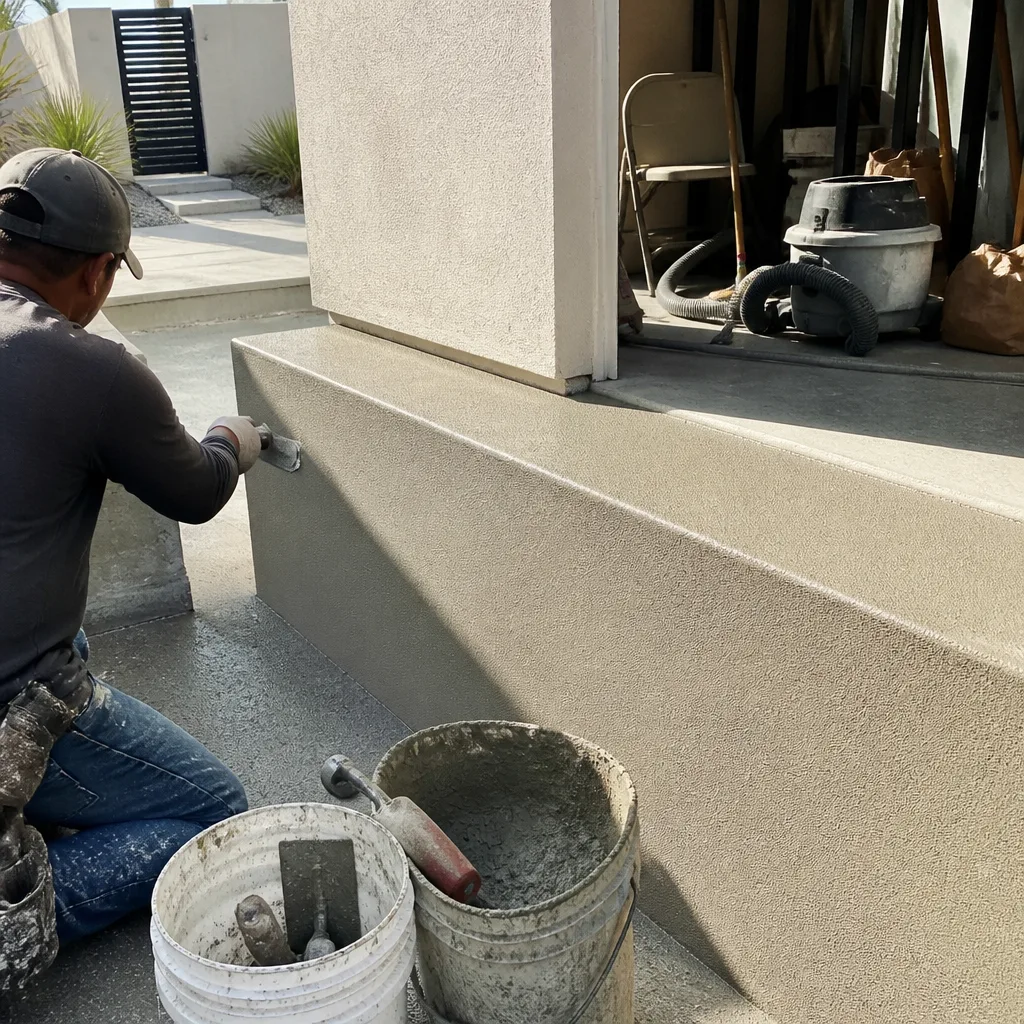
Many Torrance homes are built on slab foundations, particularly in the post-war tracts that dominate the central and eastern parts of the city. When a remodel involves cutting into a slab for plumbing moves or adding a room addition, the concrete work matters. We’ve seen contractors mix concrete by eye without measuring water ratios, using whatever bagged mix is cheapest at the big-box store. A proper slab patch or footing on a Torrance project should use a specification-grade mix, whether that’s a Quikrete or Sakrete product appropriate to the application, measured and placed according to the manufacturer’s instructions and the city’s engineering requirements. If you see a crew dumping bagged mix into a hole with a garden hose and no measuring, that’s a problem.
Neighborhood Character and Design Standards
Some Torrance neighborhoods, particularly the historic districts and the areas with established architectural character, have design standards that govern what can be built. A contractor who ignores these standards or who tells you “nobody checks” is setting you up for a code enforcement dispute with the city. Verify that any exterior work complies with the city’s design guidelines before you approve the scope. This applies to window replacements, exterior cladding changes, and any addition visible from the street.
Common Mistakes to Avoid
- Ignoring the jobsite between the pre-construction meeting and the final walkthrough. Most homeowners visit the jobsite at the beginning and the end and rarely in between. The middle is where the problems happen, and the only person watching is the contractor.
- Accepting verbal assurances instead of written change orders. “We’ll take care of it” is not a contractual commitment. If the scope, the price, or the schedule changes, get it in writing before the work proceeds.
- Paying a draw without verifying the milestone is actually complete. Walk the site. Look at the work. Check the inspection card. Then release the payment. A draw paid on trust is a draw you might not get back.
- Assuming the city is automatically monitoring your project. Torrance Building & Safety inspects when inspections are scheduled. If your contractor doesn’t schedule them, the city doesn’t know there’s a problem. You have to be the one who verifies.
- Letting a contractor pressure you into signing a lien release you don’t understand. Lien waivers protect you, but only if they’re the right type and only if you understand the conditions. Don’t sign anything you haven’t read, and don’t let “standard paperwork” language rush you through it.
- Skipping the independent assessment to save a few hundred dollars. When a dispute arises over workmanship, the cost of a third-party inspection is trivial compared to the cost of redoing the work or litigating the dispute. Spend the money early.
- Hiring the lowest bid without understanding why it’s low. In Torrance, a bid that’s 30% below the next three is not a bargain. It’s a contractor who doesn’t understand the job, plans to cut corners, or is buying the job to generate cash flow. All three paths lead to the same place.
When to Call a Professional
Some warning signs are DIY-observable. Others require a professional eye. If you see any of the following on your Torrance project, it’s time to bring in a qualified second opinion: structural framing that appears out of plumb or level, electrical work that shows scorching or loose connections, plumbing rough-ins that leak during pressure testing, roof or deck installations using non-coastal-rated fasteners, foundation work that exposes cracking or settling, or any situation where an inspector has flagged a correction and the contractor has not addressed it. A licensed contractor who’s not involved in the original job can assess the situation objectively and document findings you can use. Mason Remodeling Co Torrance offers free estimates in Torrance – call (424) 337-6939.
Frequently Asked Questions
The most common mid-project warning signs are unmarked material deliveries, subcontractors who can’t name their general contractor, inspections that never get scheduled, early draw requests before milestones are complete, vague change-order language, and high crew turnover. Each of these signals a breakdown in accountability, cash flow, or quality control, and each is documented in this guide.
Yes, you can withhold payment in California when work is incomplete, defective, or not performed according to the contract. The withholding must be proportional to the specific problem and must be documented in writing. Never stop payment as a general negotiating tactic; do it because specific contract terms are being violated, and document the basis. Call (424) 337-6939 for a free assessment of your situation if you’re in Torrance.
You can verify any California contractor’s license through the Contractors State License Board website using the license number, which should appear on the contractor’s contract, business cards, and vehicle signage. The CSLB database shows the license status, the classifications held, any disciplinary actions, and the workers’ compensation insurance status. A Torrance contractor who won’t provide a license number is a red flag by itself.
Torrance Building & Safety requires permits for structural work, electrical, plumbing, and mechanical changes, and most remodels require a sequence of inspections at each phase: rough framing, rough electrical, rough plumbing, insulation, drywall, and final. Each inspection must be signed off on the posted permit card before the next phase can legally begin.
Repair costs depend on the scope of the defect. Correcting improperly done tile work in a standard bathroom typically runs $3,000 to $8,000. Opening walls to fix un-inspected electrical or plumbing work can add $5,000 to $15,000. Structural corrections from bad framing can exceed $20,000. These are the premiums you pay for not catching the warning signs early, and they’re all preventable with the documentation habits described in this guide. Call (424) 337-6939 for an exact quote if you’re dealing with a defect in Torrance – estimates are free.
If your contractor abandons the job, document the current state of the work with photos and video, send a written demand for a response and a schedule for completion, contact Torrance Building & Safety to alert them to any un-inspected work, and file a complaint with the Contractors State License Board. Then hire a licensed contractor to assess what’s been done and what it will cost to complete the project properly. Abandonment is a serious violation, and the CSLB can take enforcement action.
The Bottom Line
Construction warning signs in Torrance are not mysterious. They present themselves in material deliveries, payment requests, paperwork gaps, and daylight between framing members. The question is whether you know what to look for and whether you act when you see it. The homeowner who treats the job as an ongoing relationship with visible standards, written documentation, and a healthy skepticism of vague answers is the homeowner who gets the project they paid for. The contractor who knows you’re watching, checking, and documenting is a contractor who does better work. That’s not because they fear you. It’s because a visible, informed client is the best quality control system construction has ever had.
If you’re planning a remodel in Torrance, or if you’re mid-project with a contractor whose work is raising questions, we can help you get clear answers. Home Remodeling in Torrance with Mason Remodeling Co Torrance starts with a written price before any work begins, continues with the Threshold Standard on every crew member who sets foot on your property, and ends with a written guarantee and a 365-Day Done Right Promise. Call (424) 337-6939 to schedule your free estimate.
Written by Isaac Pruett, Owner at Mason Remodeling Co Torrance, serving Torrance since 2004.
See the difference
 Before
 After
After Before
 After
After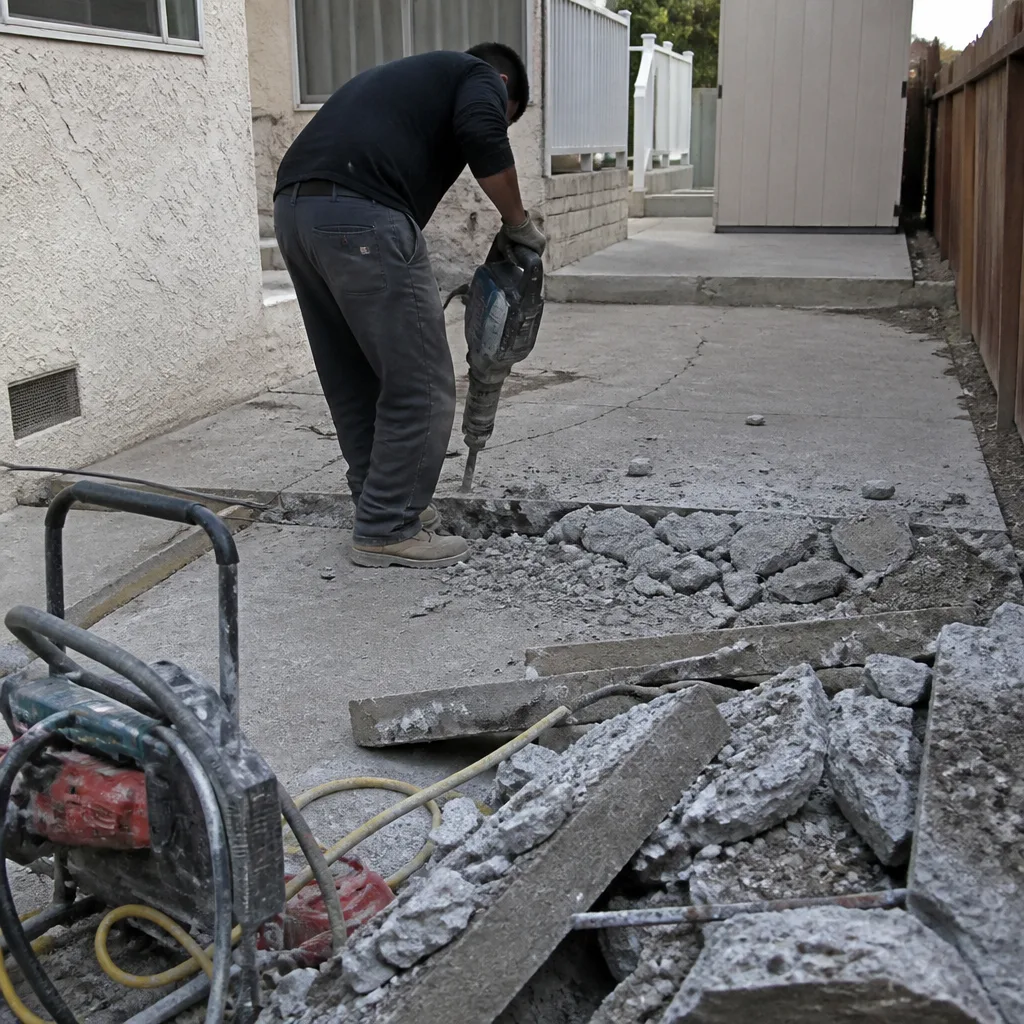 Before
 After
After