Last updated October 15, 2026






Free written scope consultation - allowances, timeline, and change-order rules on paper before a single trade is scheduled
General Contractor Maintenance Checklist for Torrance Homeowners
Most home maintenance checklists you’ll find online were written for places like Phoenix or Denver, where the air is dry and the ground doesn’t move. Torrance is different. We sit three miles from the Pacific, under a marine layer that pushes moist, salty air across the city most mornings of the year, and we live on a seismic fault network that makes structural fasteners and connections maintenance items, not set-and-forget features. This guide is written from the perspective of a General Contractor in Torrance who has walked through hundreds of South Bay homes and seen what actually fails here. You’ll learn which maintenance tasks matter most in this specific climate, what you can safely handle yourself, what legally requires a licensed contractor, and how a routine maintenance visit can protect you during future insurance claims.
Quick Answer
A Torrance-specific home maintenance checklist should prioritize marine-layer moisture intrusion, salt-air corrosion on exterior metal, seismic connection checks, and crawl space vapor barrier integrity, on top of standard seasonal tasks. The highest-impact annual items are window and door caulk inspection, HVAC condensate line flushing, water heater strap verification, and a visual sweep of all exterior fasteners and flashing. Budget roughly $800 to $1,800 per year for preventive maintenance on a typical Torrance home, with larger items like partial re-roofing or crawl space encapsulation appearing every 7 to 12 years.
Styles & brands we work with





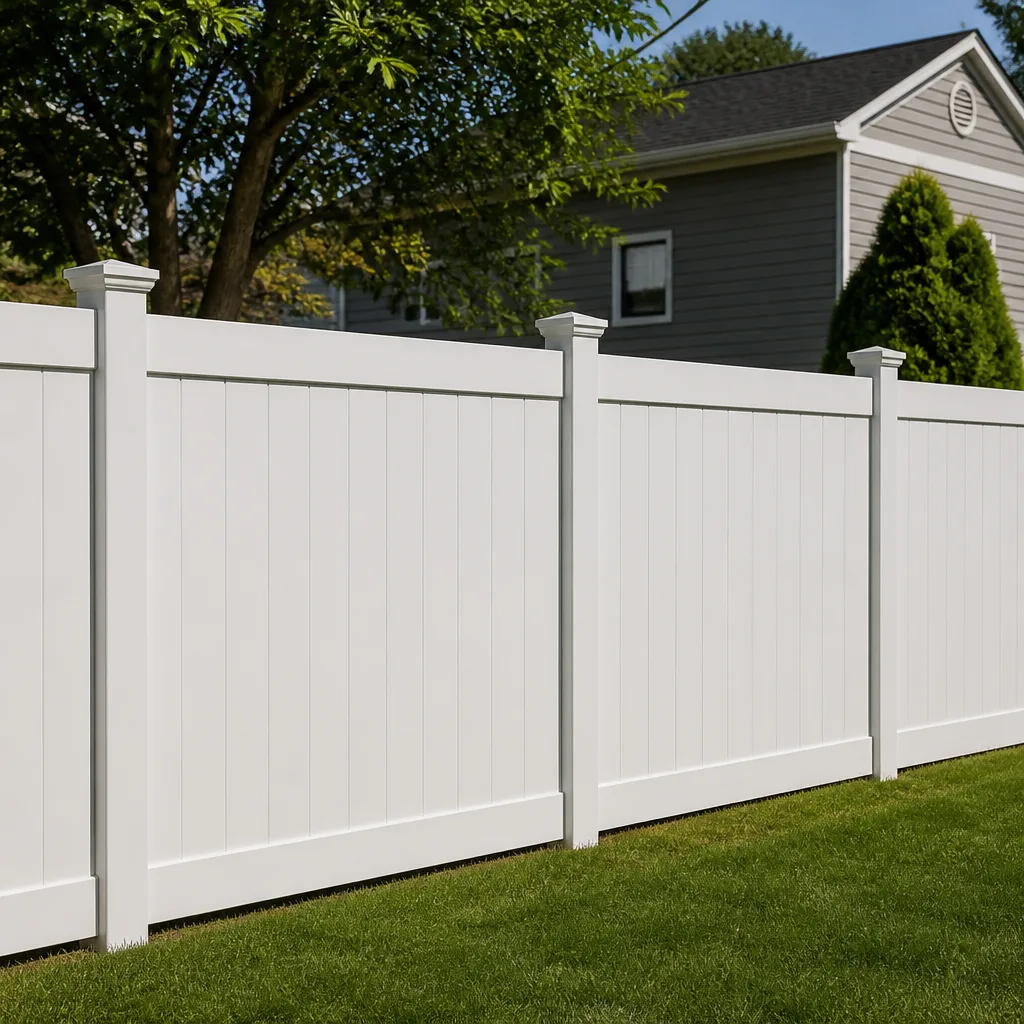
Table of Contents
- Marine Layer Moisture: The Costliest Maintenance Item in Torrance
- Salt-Air Corrosion: Fasteners, Flashing, and Exterior Hardware
- HVAC Condensate Lines and Marine Particulates
- Crawl Space Vapor Barriers and Coastal Humidity
- Seismic Maintenance: Cripple Walls, Water Heater Straps, and Gas Flex Connectors
- Torrance Maintenance Frequency Table: Annual, Every 3 Years, and Event-Triggered
- Using a Contractor’s Maintenance Visit to Document Pre-Existing Conditions
- What a Handyman Can Maintain vs. What Requires a Licensed General Contractor
Marine Layer Moisture: The Costliest Maintenance Item in Torrance
Skipping caulk inspection around windows in a coastal city like Torrance isn’t a minor oversight. Marine layer humidity can drive moisture intrusion that leads to stud rot within 18 months, turning a $40 caulking job into a $6,000 framing repair. We’ve opened walls in the Hollywood Riviera and Southwood neighborhoods where the exterior looked fine, but the sill plate behind the stucco had the structural integrity of damp cardboard.
Why is Torrance worse than, say, Long Beach or Redondo Beach? Three reasons: we get more overcast mornings per year than almost any other South Bay city due to our position against the Palos Verdes Peninsula, our prevailing onshore winds push moisture directly against west-facing wall assemblies, and many of our homes were built in the 1950s and 1960s with window flashing details that would not pass code today.
What to Check
- Window and door perimeter caulk: Look for hairline cracks, pulling away from the frame, or chalky texture. Run a fingernail along the bead. If it flakes, it’s time to replace.
- Weep holes at the bottom of window frames: These small openings let condensed moisture drain out. If they’re painted over or clogged, water will pool inside the frame and migrate into the wall cavity.
- Stucco cracks wider than a nickel: Hairline cracks are normal in Torrance’s expansive soils. Cracks you can fit a nickel into need a structural opinion, not just a patch.
- Interior paint bubbling or peeling along window edges: This is the first visible sign that moisture is already behind the wall finish, not a cosmetic annoyance.
In our experience maintaining homes across Torrance, the single most effective annual moisture-control task is a full exterior caulk and sealant audit. The material cost is under $50. The labor takes a trained eye about two hours. And it routinely prevents the most expensive repair we see in this city: sill plate and stud rot repair, which rarely costs less than $4,000 once you factor in drywall, insulation, framing, and stucco repair. A written price for this kind of preventive maintenance comes standard with our Home Remodeling in Torrance services, so you know what you’re spending before any work starts.
Salt-Air Corrosion: Fasteners, Flashing, and Exterior Hardware
Most national checklists tell you to inspect your gutters and downspouts once a year. Fine advice. But they rarely mention that in Torrance, the screws holding those gutters to your fascia are corroding at a rate three to four times faster than the national average. The salt content in our marine air, combined with the moisture that sits on metal surfaces through late morning, creates an electrochemical environment that eats through zinc coatings and then the steel underneath.
If you live within two miles of the coast, this is your reality. That covers most of Torrance, from Seaside Rancho to Walteria. Homes further east, near Madrona and Del Amo Fashion Square, get a slightly less aggressive exposure, but the marine air still travels inland along the Harbor Gateway corridor.
High-Risk Corrosion Points
- Gutter and downspout screws: These are typically the cheapest fasteners on the exterior. Replace rusted ones with stainless steel or ceramic-coated screws. Replacing a section of gutter before it pulls away is a $150 job. Replacing a fascia board that rotted behind a detached gutter is $800 and up.
- Roof flashing at chimneys, vents, and pipe boots: Galvanized flashing lasts 15 to 20 years in a dry climate. We see it fail in 8 to 12 years in Torrance. Look for white or orange rust blooms around penetrations when you clean your gutters each fall.
- Fence and gate hardware: The hinges, latches, and post brackets on wood or vinyl fencing exposed to the west wind, where the salt load is highest. If you’ve built a fence with products from ActiveYards or Bufftech, the panels will outlast the hardware. Upgrade to marine-grade stainless hinges and coated deck screws before you see rust streaks on the vinyl.
- Exterior light fixture mounts and electrical boxes: Corrosion here is a fire hazard. If the box or bracket looks crusty, have a licensed electrician replace it. This is not a handyman task.
- Stucco weep screeds and control joints: The metal edges of stucco assemblies corrode, which allows water to track behind the scratch coat. Damaged sections need a stucco professional or a general contractor with stucco experience.
One thing we tell every Torrance homeowner who calls about exterior maintenance: if you’re not sure what a part is called or whether it’s failing, take clear photos from multiple angles and note the location. A reputable general contractor can often give you a preliminary assessment from photos before scheduling a site visit. It saves everyone time, and it gives you a baseline for what the repair should involve.
HVAC Condensate Lines and Marine Particulates
Your air conditioner condensate drain line has a simple job: carry the water your system pulls from the air from the indoor evaporator coil to your yard or plumbing drain. In most climates, the line goes years without issue. In Torrance, the combination of naturally humid air and fine airborne particulates from the ocean and the 405 corridor means those lines clog with a gray sludge that starts forming within six months of a cleaning.
The physics is straightforward. Our air carries salt nuclei and microscopic organic particles. As your A/C pulls moisture from that air, those particles concentrate in the condensate. Inside the warm, dark, slightly acidic environment of a PVC drain line, they combine with algae and mold spores to form a paste that narrows the pipe diameter. Within 12 to 18 months, the line can be fully clogged. What happens next is predictable: the drip pan overflows, water runs through your ceiling or into your attic insulation, and you’re facing a cleanup and repair bill between $1,200 and $4,000 depending on where the water went.
Signs Your Condensate Line Needs Attention
- Water stains on the ceiling below an attic-mounted air handler
- A musty smell from the supply registers when the A/C kicks on
- The system short-cycles or shuts off unexpectedly on humid days
- Visible water pooling around the indoor unit or the outdoor compressor pad
- The safety float switch keeps tripping
Preventive maintenance is quick and cheap when compared to the cost of repair. A licensed HVAC technician or a general contractor who provides HVAC maintenance coordination can clear the line, sanitize the pan, and test the drainage path in under an hour. We recommend scheduling this twice per year in Torrance: once in early spring before the humid season begins, and once in late fall after the season ends. Between professional cleanings, run a cup of white vinegar through the line every three months. It won’t prevent all clogs, but it slows the sludge formation.
Crawl Space Vapor Barriers and Coastal Humidity
If your Torrance home sits on a raised foundation with a crawl space, and that crawl space has a torn, sagging, or missing vapor barrier, you are actively paying for moisture you don’t need. The math is simple: warm, humid air entering a vented crawl space hits the cooler surfaces under your house and condenses. That moisture soaks into floor joists, subflooring, and insulation. Over time, it becomes wood rot, mold, and a spike in your heating and cooling costs because damp insulation doesn’t insulate.
Coastal humidity in Torrance makes this issue worse than in inland cities. Our crawl spaces breathe it in every morning for most of the year. Standard 6-mil polyethylene vapor barriers, which are code minimum in many areas, are barely adequate here. They tear during plumbing or electrical work, degrade under UV exposure at vent openings, and separate at seams. We regularly find barriers in Torrance crawl spaces that are doing nothing at all because they were installed improperly twenty years ago and never checked again.
What a Proper Vapor Barrier Looks Like in Torrance
- Minimum 10-mil reinforced polyethylene if you’re replacing it. 6-mil is the code floor, not the recommendation for a coastal humidity zone.
- Overlapped seams of at least 12 inches, sealed with contractor-grade tape or mastic. Loose seams let moisture bypass the barrier entirely.
- Barrier extending up the foundation walls at least 6 inches and mechanically fastened, not just draped.
- All perimeter vents inspected and screened to keep rodents out while maintaining required ventilation airflow.
- Ground sloping away from the foundation under the house, a detail most homeowners never see but that determines whether water pools under the structure.
Crawl space work in California has specific ventilation and access requirements under Title 24. A full encapsulation with vapor barrier replacement might run $3,500 to $8,000 depending on the square footage and access. A proper inspection and minor repair is a few hundred dollars. The smart move in Torrance is to include a crawl space check in your annual exterior maintenance visit. It’s the least-seen and most-ignored part of the home in our coastal climate, and it’s where we find the most expensive problems on homes that otherwise look perfectly maintained.
Seismic Maintenance: Cripple Walls, Water Heater Straps, and Gas Flex Connectors
Every national home maintenance checklist includes smoke detector batteries. Almost none of them mention checking seismic straps and gas connections after a notable earthquake. In Torrance, that’s a glaring omission. We sit near the Newport-Inglewood fault zone, and residents regularly feel shaking from events on the Palos Verdes fault, the San Andreas system, and smaller local faults. Seismic components in a Torrance home are not static equipment; they are working parts that degrade under actual use.
After Any Earthquake You Felt (Magnitude 3.5 or Higher)
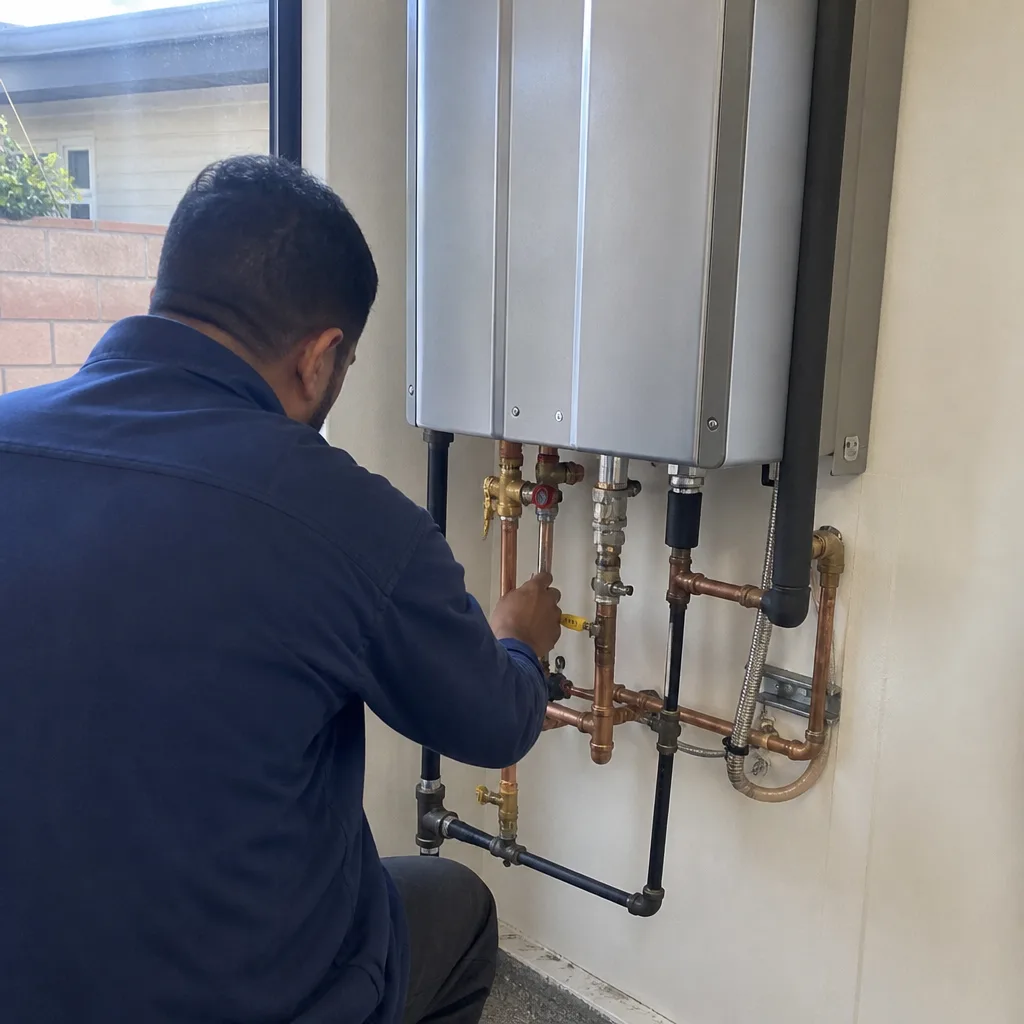
- Check water heater strapping. California plumbing code requires two heavy-gauge metal straps around the tank: one in the upper third, one in the lower third, each anchored to wall studs with lag bolts. After shaking, these straps can stretch, the lag bolts can loosen in the studs, and the tank can shift. A water heater that tips during the next event can sever its gas line, which is a fire source, or rupture its water connections, which is a flood source. If the straps are loose or the tank has moved even a quarter inch, have it re-strapped. This is a code compliance item, not a preference.
- Inspect the gas flex connector. This is the corrugated metal tube that runs from the rigid gas line to your water heater, furnace, or stove. It’s flexible for a reason: it absorbs seismic movement. After a significant shake, look for kinks, cracks, or any sign the connector has been stretched. If you smell gas, leave the house immediately and call the utility company from outside. If the connector has moved but there’s no leak, still have a licensed plumber or general contractor verify the connection. Never inspect or adjust a gas connector on a DIY basis; the consequences of an error are catastrophic.
- Visually check cripple wall bracing, if your home has a cripple wall. A cripple wall is the short wood-framed wall between your foundation and the first floor, common in pre-1980 Torrance homes. Bracing with plywood panels or structural steel connectors ties that wall to the foundation and keeps the house from sliding off in an earthquake. After shaking, look for cracks in the plywood, pulled nails, or separation at the mudsill. If you see any of these, call a structural engineer or a licensed general contractor. This is a life-safety issue and a substantial repair, not a weekend project.
- Verify the chimney. Masonry chimneys in Torrance’s older homes are particularly vulnerable to seismic damage at the roofline. Cracks, leaning, or loose bricks after an event are red flags. A falling chimney can penetrate the roof or collapse onto the house.
We cannot overstate the number of Torrance homes we’ve walked through where the water heater was installed with a single strap, a strap secured with drywall screws instead of lag bolts into studs, or no strap at all. It’s a $200 to $400 fix when done proactively. The insurance claim and repair bill if the tank tips can run $20,000 when you add water damage, gas line repair, and the new tank. The math favors checking.
Torrance Maintenance Frequency Table: Annual, Every 3 Years, and Event-Triggered
Most generic maintenance checklists break tasks into “spring” and “fall” with the assumption of four distinct seasons. Torrance doesn’t work that way. Our calendar is simpler: the coastal June Gloom season (May through July), the warm dry months (August through October), and the rainy season (November through April). Here’s how we structure a maintenance calendar for a homeowner in this specific climate.
Annual Tasks (Every Year, Every Torrance Home)
- Exterior caulk and sealant audit: window and door perimeters, stucco control joints, siding seams, and trim joints. Best done in early spring before the marine layer season peaks.
- HVAC condensate line clean and flush: twice per year as noted above.
- Gutter and downspout cleaning: in late fall before the winter rains, and again in early spring if you have nearby eucalyptus or pine trees shedding.
- Water heater strap and gas flex connector visual check: once per year even without notable seismic activity, plus after any earthquake you feel.
- Dryer vent cleaning: annual, and more often if you do multiple loads per week. Lint buildup is a fire hazard in any climate, but Torrance’s humid air makes lint cling to duct walls and compress into blockages faster.
- Crawl space visual inspection: vapor barrier condition, standing water, visible mold, and rodent activity.
Every 3 Years
- Exterior paint touch-up and spot priming: coastal sunlight and salt air break down paint bonds faster. West-facing and south-facing walls show failure first.
- Roof fastener and flashing inspection: full walk or drone survey of all penetrations, valleys, and edge metal. This is a professional inspection if you’re not comfortable on a ladder.
- Fence and gate hardware replacement: replace corroded hinges, latches, and post fasteners before they fail structurally.
- Window track and weep hole deep cleaning: remove mineral deposits from marine air that can block drainage paths.
Event-Triggered (Only After Specific Conditions)
- After any earthquake you felt (M3.5+): the four seismic checks listed in the previous section.
- After a Santa Ana wind event: check roof tiles, ridge caps, and any loose flashing. Wind-driven rain during a Santa Ana event strips old caulking and finds every weak point.
- After an extended heat wave: check exterior stucco for new cracks from thermal expansion. Expansive soil under a hot, dry top layer also creates foundation stress.
- After the first significant winter rain: check for leaks at window sills and around the chimney, and verify that gutters are draining properly before the season continues.
What does this cost on a typical Torrance home? The annual items above, done by a general contractor rather than piecemeal through individual trades, typically run $800 to $1,800 per year depending on home size and access conditions. That’s a fraction of what one unaddressed moisture intrusion or one failed seismic component will cost. Mason Remodeling Co Torrance provides Mason Remodeling Co Torrance home maintenance coordination with a written price before any work starts, so you never receive a surprise invoice at the end of the visit.
Using a Contractor’s Maintenance Visit to Document Pre-Existing Conditions
Here’s a strategy that doesn’t appear on most maintenance checklists, and it should. When you have a licensed general contractor perform your annual maintenance, ask for a written condition report with dated photographs of everything they inspect, and check our more guides & resources for what to include. This document is your insurance ace in the hole when you file a future claim.
Here’s why. Insurance adjusters routinely deny water damage claims by attributing the damage to “long-term maintenance neglect” rather than a sudden event. A pipe fails inside a wall, you file a claim, and the adjuster says the corrosion pattern shows it’s been leaking for months, which your policy excludes. Without documentation, you’re in a dispute with limited leverage. With a dated report from a licensed contractor showing that the area was inspected and free of visible issues six months earlier, you have evidence that the failure was sudden and not foreseeable.
What a Good Maintenance Report Should Include
- Date-stamped photos of all major systems: roof penetrations, water heater and gas connections, exterior caulking, crawl space, and attic if accessible.
- Written notes on condition with specific observations, not vague language. “No visible corrosion or leakage at water heater connections” is evidence. “Looks okay” is not.
- Any recommended repairs with estimated costs. If you choose to defer a repair, that deferral is documented, which is honest. If you complete it, you have a record that the issue was addressed.
- The inspector’s license information and company identification. An adjuster gives more weight to a report from a licensed California contractor than to a phone photo you took yourself.
We’ve assisted Torrance homeowners in insurance discussions where a maintenance report made the difference between full coverage and denial. This is one of the less-obvious values of a standing relationship with a general contractor. It’s not just catching problems early; it’s building a paper trail that proves you maintain your property responsibly. If you’re starting fresh, ask your contractor to establish a baseline condition report on the first visit, then update it annually.
What a Handyman Can Maintain vs. What Requires a Licensed General Contractor
California has specific legal limits on work that can be performed without a contractor’s license. The rules matter for two reasons: safety and liability. If unlicensed work fails or causes property damage, your homeowner’s insurance may decline the claim, and you have limited legal recourse. Here’s the practical breakdown for Torrance homeowners.
Work a Handyman Can Typically Perform (Under $500 in Labor and Materials Per Project)
- Caulking and sealant replacement around windows and doors
- Gutter cleaning and minor downspout adjustments
- Painting touch-ups and small drywall patches
- Replacing a light fixture or outlet cover where no new wiring is required
- Minor fence hardware replacement: hinges, latches, individual pickets
- Door hardware and weatherstripping replacement
Work That Requires a Licensed California Contractor
- Any structural modification or repair: cripple wall bracing, foundation work, sill plate replacement, roof framing changes. These affect the structural integrity of your home and your family’s safety during an earthquake.
- Roof repairs and replacement: beyond cleaning gutters, any work on the roof surface itself requires a license. Roofing is classified as a specialty trade with its own licensing class.
- Electrical work beyond fixture replacement: new circuits, panel upgrades, wiring changes, any work inside the electrical panel.
- Plumbing work beyond fixture maintenance: gas line work, water heater installation and strapping, drain line repairs.
- HVAC work beyond filter replacement: refrigerant handling, condensate line modification, and any work on the system’s mechanical components require an EPA certification in addition to a contractor’s license.
- Stucco repairs over a certain area: patching hairline cracks is maintenance. Replacing damaged sections requires proper lath and paper integration, which is licensed work.
The threshold that surprises most Torrance homeowners is the $500 rule. In California, an unlicensed handyman can only legally perform “minor work” that totals less than $500 in combined labor and materials. That means a $600 gutter repair performed by an unlicensed handyman is technically illegal and creates significant liability for you, including the possibility of your insurance company denying a future claim related to that repair. For anything above that threshold, you need a licensed general contractor. Our Bathroom Remodeling in Torrance division handles maintenance items in that scope the same way our full remodel team does: written pricing before work starts, licensed and background-checked technicians on site, and a 365-Day Done Right Promise in writing.
Common Mistakes to Avoid
- Using an inland climate checklist. Advice written for Denver or Dallas won’t account for salt-air corrosion rates or marine-layer moisture patterns. If the checklist doesn’t mention coastal humidity, it’s not written for your home.
- Deferring caulking until you see a leak. By the time water reaches drywall or interior paint, the stud or sill damage has already occurred. Caulking is prevention; leaks are the cost of not preventing.
- Checking seismic straps only when you buy or sell the house. Straps are working components that loosen under real seismic loads. After every M3.5+ event you feel, look at the straps. It takes thirty seconds.
- Ignoring the crawl space because you never go down there. This is the highest-cost ignored area in Torrance homes. Out of sight should not mean out of maintenance budget.
- Hiring unlicensed labor for a licensed-scope job to save a few hundred dollars. The savings disappear the first time a repair fails or an insurance claim gets denied because the work was unpermitted or unlicensed.
- Treating HVAC condensate line cleaning as optional. In this climate, it is one of the most common preventable causes of water damage we see. Twice a year, no exceptions.
- Not documenting maintenance. Annual photos and a written condition report from your contractor are worth more than the visit itself when an insurance adjuster asks for proof you maintain your home.
See the difference
 Before
 After
After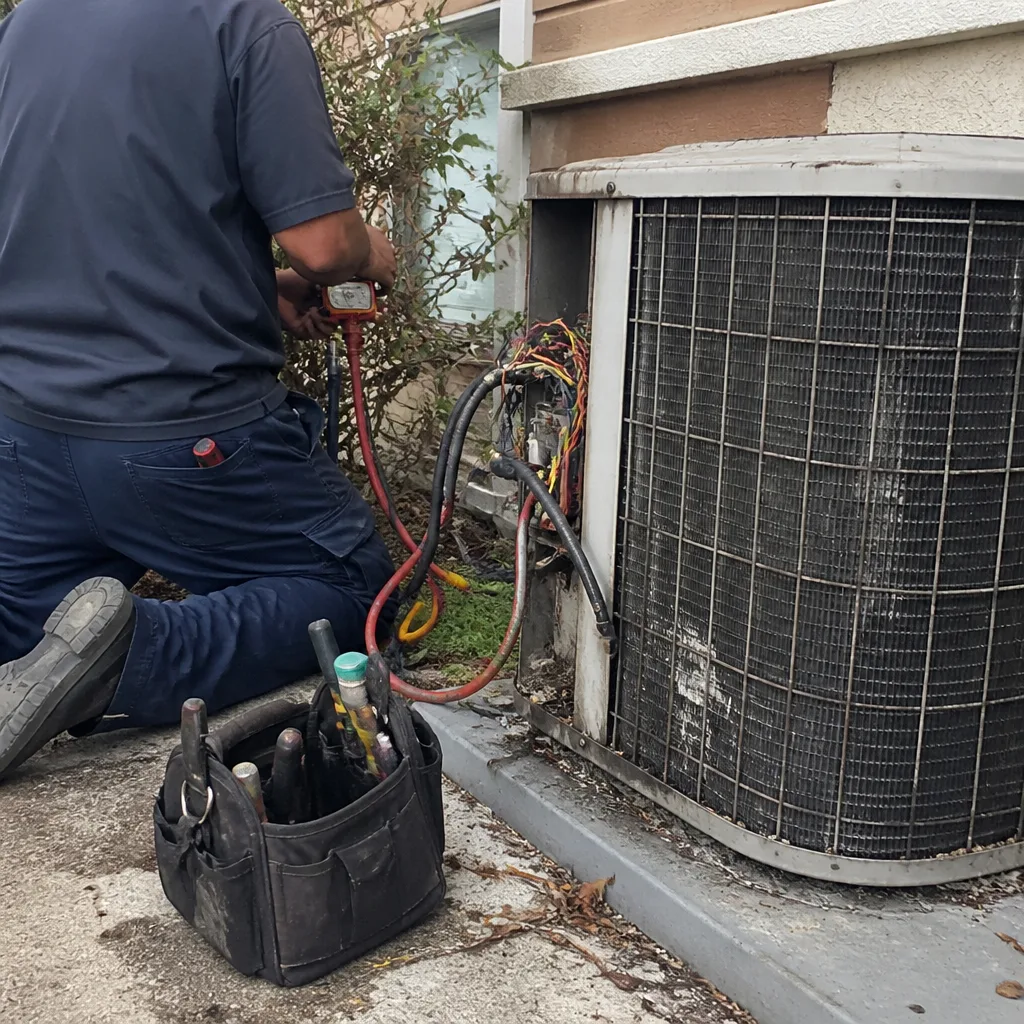 Before
 After
After Before
 After
AfterWhen to Call a Professional
Call a licensed general contractor when you see any of these: cracks wider than a nickel through stucco or drywall, water stains in the ceiling after rain, a water heater that has shifted or has rusted straps, corrosion on any gas line fitting, visible mold in a crawl space or attic, torn or missing vapor barrier material, or any crack in roof flashing or chimney masonry. These are not cosmetic issues, and in most cases they’re not safe or legal for a handyman to address in California. Mason Remodeling Co Torrance offers free estimates in Torrance, call (424) 337-6939 to schedule a maintenance inspection or condition report for your home.
Frequently Asked Questions

An annual maintenance inspection for a typical Torrance home runs $150 to $400 when hired as a standalone service, and $800 to $1,800 per year when bundled with the actual maintenance work like caulking, gutter cleaning, and condensate line flushing. The exact cost depends on your home’s size, access conditions, and age. Call (424) 337-6939 for a written quote specific to your property, no verbal estimate that grows later.
Yes, in two specific ways: our marine layer produces more sustained morning humidity than most other LA County cities, and our proximity to the Newport-Inglewood fault zone means seismic maintenance is a recurring requirement rather than a theoretical concern. Homes in eastern Torrance get less salt exposure than homes near Seaside Rancho or the Hollywood Riviera, but the entire city is in a coastal influence zone.
Expect to spot-repair window caulking every 2 to 3 years on west-facing and south-facing walls, and full recaulk cycles of 5 to 7 years elsewhere on the home. The marine layer and salt air accelerate breakdown on the exposure sides that face the ocean. If you see cracking, flaking, or separation at any joint, address it now rather than waiting for the annual audit.
Water heater strapping is typically done as part of a permitted water heater installation or replacement, but re-strapping an existing tank after seismic movement may not trigger a permit requirement depending on the scope. The work must be performed by a licensed contractor and must meet California Plumbing Code standards for strap size, placement, and anchoring. We handle this as a maintenance item with written pricing before work begins.
A useful maintenance report includes date-stamped photos of every major system, specific written observations about condition, any deferred maintenance recommendations with cost estimates, and the inspector’s California contractor license information. This documentation proves you didn’t neglect your home when you file a future claim, and it’s the single best tool for contesting a denial based on “pre-existing condition” arguments.
A small tear can be taped with contractor-grade polyethylene tape, but significant replacement requires working in a confined space with potential mold exposure and should be handled by a professional. If the barrier is torn, separated at seams, or pulled away from the foundation walls, call us at (424) 337-6939 for a free assessment. The inspection is no-cost, and you’ll get a written quote if repairs are needed.
The Bottom Line
Torrance homes fail in predictable ways, and those failure patterns are driven by our specific climate and seismic profile, not by generic wear and tear that shows up on national checklists. Marine-layer moisture attacks window perimeters and wall assemblies. Salt air eats exterior fasteners and flashing. Coastal humidity fills crawl spaces with rot and mold. And the ground under us moves often enough that seismic components are maintenance items, not one-time installations. The annual maintenance visit solves most of these problems before they become five-figure repairs, and it creates documentation that protects you during insurance claims. If you’re not sure where to start, call us at (424) 337-6939 for a free estimate and condition report. We’ll tell you what needs doing now, what can wait, and what it will all cost in writing before any work starts.
Written by Isaac Pruett, Owner at Mason Remodeling Co Torrance, serving Torrance since 2004.