Last updated October 15, 2026





Free written scope consultation - allowances, timeline, and change-order rules on paper before a single trade is scheduled
Seasonal Construction Care for Torrance: Year-Round Homeowner’s Guide
Torrance homeowners often skip “winter prep” because it rarely freezes here. That’s a costly mistake. The November through February period is when marine layer precipitation, not cold, does the most damage to roofing, paint, and foundation drainage in Torrance, and the problems go unnoticed until spring reveals them as stains, rot, and leaks. This guide covers the four maintenance windows that actually matter in this city: the fall drainage window, the winter moisture reality check, the spring post-rain assessment, and the summer UV load. For a deeper dive on local regulations, see our guide to Construction Permits, Codes & Inspections in CA: What You Need to Know. You’ll learn what to inspect, when to inspect it, and what it costs to fix problems before they compound.
We’ve been building and remodeling in Torrance since 2004, and the seasonal pattern we see repeat every single year is this: homes that get a fall inspection need paint touch-ups. Homes that skip it need wall repairs. The difference in cost is routinely ten to one.
Styles & brands we work with



Quick Answer
Torrance has four distinct maintenance windows driven by marine layer intensity, Santa Ana wind events, El Niño rainfall cycles, and summer UV load. Fall (October to November) is the single most important inspection period: gutters, roof penetrations, and drainage need attention before the El Niño rains arrive. Winter reveals how well your stucco, window seals, and wood trim handle months of marine moisture. Spring is when you read the staining patterns on exterior walls to find active moisture intrusion before it reaches framing. Summer is when UV degradation on flat roofing and deck coatings accelerates, and Santa Ana season (peak September to October) demands exterior fastener inspection, attic vent screening, and defensible space maintenance for properties near open areas. Missing any window compounds the cost of the next one.
Table of Contents
- The Fall Window: October – November Inspection Priorities
- Winter Reality Check: What Marine Layer Moisture Actually Does
- Spring Assessment: Reading Post-Rain Staining Patterns
- Summer Focus: UV Load, Flat Roofs, and HVAC Preparation
- Santa Ana Season: Wind, Fasteners, and Defensible Space
- A Month-by-Month Torrance Maintenance Calendar
- Common Mistakes to Avoid
- When to Call a Professional
- Frequently Asked Questions
- The Bottom Line
The Fall Window: October – November Inspection Priorities
If you do one maintenance push per year, do it in October in Torrance. The reasoning is simple: El Niño rainfall patterns historically arrive between November and March, and once the rains start, gutter problems, roof penetration leaks, and drainage failures become active water events inside your home instead of preventable items on a checklist. In neighborhoods like Southwood and Hollywood Riviera, where mature trees drop significant leaf volume into gutters from late September through November, a clogged gutter system is the single most common cause of winter water damage we see on general contractor in Torrance service calls.
Fall inspection priorities, in order of importance:
- Gutters and downspouts: Remove all leaf debris and test water flow. A downspout that drains against the foundation instead of three feet away from it will saturate the soil at the stem wall. In Torrance’s clay-heavy soil, that saturation expands and contracts through winter temperature swings, which is exactly how foundation cracks in older South Bay homes get worse.
- Roof penetrations: Every pipe boot, vent, skylight, and chimney flashing is a potential leak point. Check the sealant for cracks or separation. Roof penetrations in Torrance take a beating from summer UV plus salt air, and the sealant breaks down faster here than it does inland.
- Exterior drainage grading: Walk the perimeter of your home and look for soil that has settled and now slopes toward the foundation. Even a one-inch slope over ten feet moves significant water toward your stem wall during a heavy El Niño storm.
- Siding and stucco cracks: Hairline cracks in stucco are normal, but anything wider than 1/16 inch should be sealed before winter. Water entering through an unsealed crack will expand and contract through the winter, turning a hairline crack into a spall repair by spring.
- Window and door weatherstripping: Marine layer moisture follows the path of least resistance. Compromised weatherstripping lets damp air into wall cavities all winter long, which can silently rot trim from the inside even when no visible rain gets in.
What this fall inspection costs: a thorough handyman-level gutter cleaning and inspection in Torrance typically runs $150 to $350 depending on roofline complexity and home size. For a full breakdown of what to budget, see our Construction Cost Breakdown: The Torrance Homeowner’s Reference for 2026. A full professional seasonal inspection that covers roofing, drainage, siding, and windows is usually $250 to $500, and it’s often credited back against any repair work you schedule from the findings. Compare that to the $2,500 to $8,000 it commonly costs to repair water-damaged wall framing or a compromised foundation drain after a wet El Niño winter, and the math is not close.
Our experience in Old Torrance specifically: homes built in the 1920s through 1950s often have original clay sewer lateral connections and unlined crawl spaces. These homes benefit most from a fall inspection because the crawl space is where winter moisture problems show up first, and by the time a homeowner smells mustiness in the living room, the floor joists have usually been damp for months.
Winter Reality Check: What Marine Layer Moisture Actually Does
Torrance does not get a hard freeze winter, but it does get something more insidious for building materials: the marine layer. From November through February, overnight marine layer moisture can sit on exterior surfaces for eight to twelve hours at a time, day after day. This persistent dampness penetrates stucco differently than rain does. Rain runs off. Marine layer moisture wicks in. And even without a single day below 40 degrees, a wet stucco surface that never fully dries will begin to support mold growth on the shaded north and east sides of the home.
Here is what winter marine layer conditions do to specific building materials in Torrance:
- Stucco: Moisture trapped behind compromised stucco paint causes the paint to bubble and delaminate, usually starting at the base of walls where sprinklers add additional moisture. What looks like a paint problem is often a moisture management problem underneath.
- Window seals: Double-pane window seals fail gradually, and the marine layer accelerates the failure. When you see persistent condensation between the glass panes in winter, that’s a failed seal, which means the insulating gas has leaked out and the window’s energy efficiency is mostly gone. Replacing a standard double-pane window in Torrance runs $500 to $1,200 per window depending on size and frame material.
- Wood trim: Eaves, fascia, and door frames on the north side of the house get very little direct sun from November to February. Damp wood that stays damp is the perfect environment for dry rot fungi. The rot usually isn’t visible until someone scrapes the paint.
- Crawl spaces: Torrance’s winter humidity seeps into vented crawl spaces and condenses on cool floor joists. That moisture can raise crawl space humidity high enough to support mold and wood decay, especially in homes without proper vapor barriers.
- Exterior paint: Paint that was applied in the summer has had months to cure, but paint that’s starting to chalk or peel is failing. Winter marine moisture gets under any loose paint edge and accelerates peeling through the season.
The counterintuitive part of winter in Torrance is that the damage is mostly invisible while it’s happening. You won’t see stained drywall on the ceiling until the moisture has been migrating for weeks or months. You won’t see the window seal failure from the outside. What you may notice, if you’re paying attention, is a persistent slight musty smell in a hallway or a bathroom, or paint that looked fine in October peeling by February. These are early signals, and they’re worth acting on before spring shows you the full extent of what winter did.
For home remodeling in Torrance work that runs through winter, we sequence exterior work: siding, stucco, and any painting that needs good weather gets done in fall or early spring, and interior work like kitchens and baths gets scheduled through the winter months. That’s a sequencing decision born from years of watching the marine layer slow paint curing and drywall mud drying to a crawl.
Spring Assessment: Reading Post-Rain Staining Patterns
March and April in Torrance are when the damage ledger becomes readable. Every staining pattern on an exterior wall, every water mark on a foundation, every darkened patch on a ceiling tells a story about what happened during the rainy season. The key is knowing which stains mean “water touched this surface and moved on” and which mean “water is still entering this structure.”
How to read post-rain stains on exterior walls:
- Horizontal stain lines at the bottom of stucco walls: These usually indicate splashback from a downspout or sprinkler hitting the wall repeatedly. It’s cosmetic if the stucco is sound, but it tells you the drainage at that spot needs fixing.
- V-shaped stains running downward from a point source: Look upward from the point of the V. You’ll almost always find the source: a failed sealant joint, a cracked stucco penetration, a leaking scupper, or a roof overflow point. This is active water travel, not just surface staining.
- Dark streaking under window sills: Water is getting past the sill flashing or the window-to-wall seal. Over the course of a wet winter, this path becomes a channel, and each subsequent rain event delivers water further into the wall.
- Staining on the ceiling that darkens after rain: This is your highest-priority signal. Water is getting into the roof system or an upper wall, and it’s traveling to the lowest interior point. By the time you see a ceiling stain, the roof decking or wall framing above it has usually been getting wet repeatedly.
- White, chalky residue on masonry or foundation walls: That’s efflorescence, the mineral salts left behind when water moves through masonry and evaporates. It means water is regularly moving through that wall section, and the source is probably a drainage or waterproofing issue, not a one-time event.
What to do with what you find: photograph everything. Mark the boundaries of each stain with a piece of painter’s tape or a pencil line. If a stain grows after the next rain, you have active moisture intrusion, not residual staining. That’s the signal to bring in a professional before the framing gets involved. If the stain stays stable, it’s likely from a one-time event, and you can clean it up and monitor it.
In west Torrance neighborhoods closer to the coast, we commonly see salt in the air combine with winter rain to accelerate corrosion on any exterior metal that has lost its protective coating: railings, light fixtures, and the flashing around chimneys. Salt deposits accelerate rust, and rust on flashing becomes a leak vector. A spring inspection that includes a check of all exterior metal is cheap insurance against that specific coastal Torrance problem.
Summer Focus: UV Load, Flat Roofs, and HVAC Preparation
Torrance summer is UV season, not rain season. From June through September, the sun works on your home in ways that are easy to ignore because nothing dramatic happens. No leaks. No visible damage. Just slow, cumulative degradation of any surface that faces the afternoon sun: flat roofing membranes, deck coatings, exterior paint, and window seals on the south and west sides.
The UV math for Torrance specifically: coastal haze blocks some UV on many mornings, but once the marine layer burns off around midday, the afternoon UV index in summer is consistently high. A flat roof membrane on a south-facing exposure in Torrance takes roughly 20 to 30 percent more annual UV dose than the same membrane in a coastal city further north. That’s why flat roofing in Torrance often shows cracking at the 8 to 12 year mark even when the same product legitimately lasts 15 years in cooler coastal climates.
Summer maintenance priorities:
- Flat roof inspection: Walk or inspect your flat roof in June or July. Look for visible cracking in the membrane, pooling water from the last rain, splitting at seams, and any punctures from foot traffic or debris. Early membrane repair costs $200 to $600. A full re-roof of a typical Torrance residential flat roof section runs $4,000 to $12,000 depending on square footage and membrane type, so catching a failing seam early is real money.
- Deck coating check: Wood decks and coated plywood decks near the coast take a double hit: UV breaks down the coating’s binding resins while salt air works on any exposed wood fibers. If water no longer beads on the deck surface, the coating is no longer protecting the wood. Re-coating a standard 300-square-foot deck in Torrance costs $800 to $1,800 including prep.
- HVAC preparation: Summer is when your air conditioning system transitions from occasional use to daily duty. Change filters, clear debris from the condensing unit, and check the condensate drain line. A neglected drain line that clogs in August will overflow into the attic or interior wall, and that repair averages $500 to $1,500 in Torrance for the water damage alone.
- South and west window seals: The afternoon sun hitting double-pane windows heats the air between the panes, increasing pressure and accelerating seal failure. Watch for fogginess or condensation between panels, and address it early. Window replacement on the sun-exposed sides of the home is almost always needed years sooner than on the shaded sides.
- Paint touch-ups: Late summer, before the weather shifts, is the best time in Torrance for exterior paint touch-ups. Paint cures faster and harder in warm, dry weather. The fall marine layer slows curing, so the summer window is the practical deadline for any exterior painting work.
One more summer item specific to Torrance: the city requires brush clearance and defensible space maintenance on properties adjacent to open areas, and summer is when the fire marshal’s office is most active with inspections. Even if your property is not in a designated high-hazard zone, maintaining a 30-foot defensible perimeter around any structure is good practice, and we’ll cover that more fully in the Santa Ana section below.
Santa Ana Season: Wind, Fasteners, and Defensible Space
Santa Ana wind events can happen any month, but they peak in Torrance from September through October. These winds are dry, persistent, and gusty, and they stress homes in ways that other weather events don’t. The damage is usually not catastrophic. It’s cumulative: fasteners loosen, screens tear, attic vents fill with debris, and any object not tied down becomes a projectile.
The Santa Ana wind checklist for Torrance homeowners:
- Exterior fastener inspection: Walk the home and check every visible fastener: screws on downspouts, brackets on gutters, bolts on railings, screws on exterior light fixtures. Santa Ana winds vibrate these fasteners loose over multiple events. A loose downspout in September becomes a detached downspout in November, and then your winter drainage is compromised. This is a twenty-minute inspection that prevents hundreds of dollars of re-fastening and re-flashing later.
- Attic vent screening: Dry Santa Ana winds carry fine dust and debris, and attic vents are the entry point. Check your attic vent screens in September. Missing or torn screens let wind-borne debris accumulate in the attic, which reduces ventilation, creates a fire hazard near any electrical junction, and attracts pests looking for a dry nesting spot.
- Defensible space for homes near open areas: Torrance has several neighborhoods that back up to open canyons, and properties in those zones need defensible space maintenance before and during Santa Ana season: clear dead brush, keep tree branches at least six feet from the roof, remove any combustible material stored against exterior walls, and verify that firewood is stacked at least 30 feet from any structure.
- Roof tile and shingle check after major wind events: After a strong Santa Ana event, look for lifted or broken tiles and curling shingles. A single lifted shingle on the windward edge of the roof is an open invitation for the next rain. Roofers in Torrance charge more for emergency repair calls than for scheduled inspections, so catching wind damage early is not just safer, it’s cheaper.
- Patio furniture and yard debris containment: This is not a building envelope issue, but it’s one of the most common sources of property damage during Santa Ana events in Torrance. A patio umbrella that comes loose can shatter a window or dent a car a block away. Secure everything before the winds pick up, not during.
We’ve also seen what Santa Ana conditions do to aging window frames and door seals: the dry wind pulls moisture out of wood so aggressively that old, painted wood frames shrink and crack. Exposed wood on the windward side of the home ages two to three times faster during Santa Ana season than during the rest of the year.
A Month-by-Month Torrance Maintenance Calendar
If you want the whole year on one page, here it is. This calendar assumes a typical Torrance climate pattern: marine layer mornings for much of the year, rain concentrated in January through March, Santa Ana winds peaking in fall, and high UV May through September.
- January: Winter monitoring. Check ceilings and window sills for new staining after each significant rain. Clear any gutter debris that has accumulated since October.
- February: Interior focus. This is a good month for bathroom and kitchen assessment during Torrance’s wet season, when exterior work mostly pauses. Check under sinks for slow leaks and inspect caulk lines at tubs and showers.
- March: Post-rain exterior walk. Map and photograph every new stain you see. Test drainage by watching a hose run along the foundation line.
- April: Spring repairs begin. Seal cracks, touch up paint on dried-out areas, replace damaged weatherstripping. Ground has dried enough for most exterior work.
- May: Flat roof and deck inspection before summer UV peaks. Check all roof penetrations. Service the HVAC system before the heavy-use season.
- June: UV protection review. Look at south and west window seals. Verify that deck coatings are intact. Touch up any exterior paint that needs it before the summer heat cures it in place.
- July: Mid-summer roof vent check. Attic temperatures in Torrance peak now. Confirm that ventilation is working to keep attic heat from driving your cooling bill up and your roofing materials down.
- August: Brush clearance and defensible space work for properties near open areas. August is when Torrance gets its hottest, driest conditions, and fire risk is highest.
- September: Santa Ana preparation begins. Fastener inspection, attic vent screen check, yard debris cleanup, patio furniture securing plan.
- October: The big fall inspection window. Gutters, roof penetrations, drainage grading, stucco cracks, weatherstripping. This is the highest-value maintenance month of the year in Torrance.
- November: Final drainage verification before the El Niño window. Confirm all downspouts move water three feet or more from the foundation. Clean gutters one last time after the last major leaf drop.
- December: Winter readiness confirmation. Check that crawl space vents are functioning, test the sump pump if you have one, and stock a few basic supplies for the rainy months: a tarp, roof repair tape, and the number of a contractor you trust. Mason Remodeling Co Torrance keeps a live person on the phone 24/7, including holidays, and you’re welcome to call us at (424) 337-6939 if something develops over a winter weekend.
What Each Window Costs If You Skip It
Here’s the compounding-cost picture in plain numbers. The figures below reflect the range we commonly see on Torrance projects:
- Fall window skipped: Clogged gutters send water over the back of the trough and into the fascia and soffit. Typical repair cost after one wet winter: $800 to $2,500. If the water reaches the foundation and the soil expands and contracts, the foundation crack repair can run $3,000 to $10,000.
- Winter monitoring skipped: A slow leak at a roof penetration runs unnoticed through the rainy season. By spring, the roof decking is soft, and the repair includes replacing a section of decking plus the roofing membrane. Typical cost: $1,500 to $4,500.
- Spring assessment skipped: A post-rain stain on a stucco wall that was dismissed as cosmetic becomes a wet wall cavity by late spring. Mold remediation plus framing repair and stucco patch: $2,000 to $7,000 depending on the size of the affected area.
- Summer UV check skipped: A cracked flat roof membrane that goes unnoticed through summer lets the first fall rain into the home. Emergency roof patch plus interior drywall repair: $2,500 to $6,000. The same membrane crack caught in July: $200 to $600.
- Santa Ana prep skipped: Loose fascia fasteners let a gutter pull away during a fall wind event, which dumps the entire gutter run into the yard. Re-installation plus fascia repair: $500 to $1,200. The fastener check in September takes twenty minutes.
The pattern across all five windows is the same: early inspection costs a few hundred dollars, and late repair costs a few thousand. In a coastal city like Torrance, where the marine layer and salt air accelerate material degradation, the gap between early and late intervention is wider than it is inland.
Common Mistakes to Avoid
- Assuming no freeze means no winter prep. This is the biggest seasonal mistake in Torrance, and it’s the root cause of most winter water damage we see. The marine layer and the rain are doing the damage here, not the cold. Skip the fall inspection and you’re betting against a weather pattern that has been consistent for decades.
- Painting over moisture-stained walls without finding the source. Paint covers the symptom beautifully for about one season. Then the stain comes back, and now there’s a nicely painted wall hiding an active moisture problem that has had additional months to attack the framing. Find the source first, then paint.
- Cleaning gutters only once per year in the fall. In Torrance’s tree-dense neighborhoods like Seaside and upper Southwood, gutters can fill twice: once in the fall leaf drop and again as pine needles and coastal debris arrive on the wind through winter. Check them in October and again in December.
- Ignoring a small flat roof crack because it hasn’t leaked yet. Every flat roof leak starts as a crack or split that didn’t leak through a dry summer. UV degradation only widens the crack. By the time it leaks, the membrane beneath it is likely compromised too.
- Doing exterior painting in winter. The marine layer slows paint curing dramatically from November through February in Torrance. Paint that doesn’t cure properly peels within a season or two. Summer and early fall are the painting windows here.
- Skipping Santa Ana fastener checks because the house “looks fine.” Wind damage is cumulative and mostly invisible until the failure point. A gutter hanger that’s 80 percent pulled through looks identical to one that’s 20 percent pulled through, until the wind event that finishes the job.
- Treating window condensation between panes as “just a cosmetic issue.” Failed window seals mean the insulating gas has escaped and the window is doing very little for your energy efficiency. In Torrance’s summer, that failed window becomes a heat entry point that drives up cooling costs all season long.
When to Call a Professional
Some seasonal maintenance is genuinely DIY-appropriate: gutter cleaning, visual inspections, weatherstripping replacement, brush clearance. But there are specific situations in Torrance where you want a professional involved, and the trigger points are not always obvious. Call a professional if you see a ceiling stain that darkens after rain, a stucco crack wider than 1/16 inch, a flat roof membrane with visible cracking or splitting, persistent condensation between window panes, or a foundation stain that grows between dry periods. These are the signals that the problem has moved past surface-level and into the building envelope. A professional can trace the water path, repair the source, and prevent the secondary damage that usually follows.
Mason Remodeling Co Torrance offers free estimates in Torrance. Every estimate comes with a written price before any work starts, a written guarantee on the completed project, and the 365-Day Done Right Promise: if the work is not right within a year of completion, we make it right at no cost to you. Call (424) 337-6939 to schedule your free seasonal inspection estimate.
Frequently Asked Questions
A basic seasonal inspection covering gutters, roof penetrations, drainage, and exterior walls runs $250 to $500 in Torrance. Full maintenance work, including gutter cleaning, sealant replacement, and minor repairs, typically ranges from $500 to $1,500 per season depending on home size and the condition of the exterior. Larger repairs found during an inspection, such as roof flashing replacement or stucco crack repair, add to the total. Call (424) 337-6939 for an exact quote on your Torrance home, and the estimate is free.
October to November is the most important inspection window in Torrance because it’s the period right before El Niño rainfall patterns typically begin. For a comprehensive overview of local building considerations, read The Complete Guide to Construction in Torrance. A thorough fall inspection catches gutter, drainage, and roof penetration problems while they’re still cheap to repair, before winter rain turns them into interior water events. If you only inspect once per year, do it in October.
Yes, the marine layer does the work that freezing would do elsewhere. Months of overnight moisture that never fully dries leads to stucco delamination, window seal failure, dry rot in wood trim, and crawl space mold, all without a single freeze-thaw cycle. In Torrance the damage comes from persistent dampness and salt air, not cold.
Mark the boundaries of the stain with painter’s tape or pencil, then watch it through the next rain event. If the stain grows, it’s an active leak. If it stays exactly the same size and does not darken, it’s likely residual from a past one-time event. Stains that darken or grow after rain mean water is still entering the structure and needs professional attention before framing damage occurs.
Inspect every exterior fastener, verify attic vent screens are intact, clear brush within 30 feet of structures if you’re near open area, and secure all yard furniture. Peak Santa Ana activity in Torrance happens September through October, but wind events can occur any month. Fastener and vent work takes less than an hour and prevents the most common wind damage we see.
With Mason Remodeling Co Torrance, no. Every project gets a written price before any work begins, and that price is what you pay unless you change the scope of the work yourself. Hidden conditions that get discovered during the work are documented and quoted separately in writing before anything additional is done. Call (424) 337-6939 to schedule your free estimate, and you’ll have a written price in hand before any tool gets unpacked.
A thorough Torrance seasonal inspection that covers roofing, gutters, drainage, siding, windows, and crawl space access takes one to two hours on a typical single-family home. If the inspector finds issues that need further investigation, additional diagnostic time may be needed. The inspection is the fast part. The repairs, if any, get scheduled separately with a clear scope and price.
The Bottom Line
Torrance homes face a seasonal pattern that’s invisible if you’re not looking for it: marine moisture in winter, UV and salt in summer, Santa Ana gusts every fall, and rain that concentrates in the first quarter of the year. Each season leaves a mark, and each mark becomes a repair if it’s not caught early. The fall inspection is the highest-value maintenance action you can take, the winter marine layer is the damage mechanism most homeowners underestimate, and the spring stain map is the report card for how well your home handled the rainy months. If you live in Torrance and want a professional set of eyes on your home before the next season turns, the team at Mason Remodeling Co Torrance home page has served Torrance since 2004, and we’ve seen every seasonal problem the city can produce. For bathroom remodeling in Torrance or any seasonal repair work, call (424) 337-6939 for a free estimate with a written price before work begins.
Written by Isaac Pruett, Owner at Mason Remodeling Co Torrance, serving Torrance since 2004.
See the difference
 Before
 After
After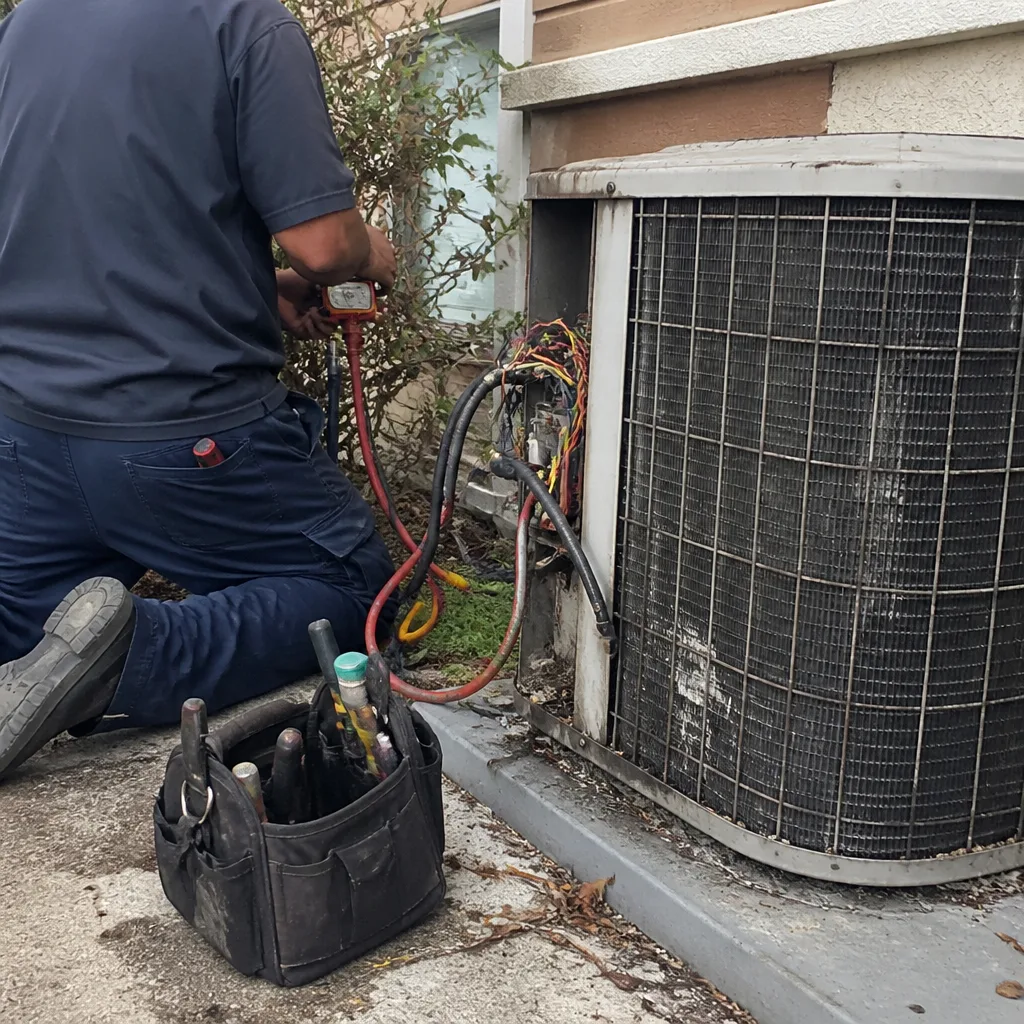 Before
 After
After Before
 After
After