Last updated October 15, 2026




Free written scope consultation - allowances, timeline, and change-order rules on paper before a single trade is scheduled
Construction Permits, Codes & Inspections in CA: What You Need to Know
An escrow on a four-bedroom house in South Torrance collapsed in 2023 because the seller had converted a garage into a family room in 2016 without permits. The buyer’s lender flagged it. The city required the seller to expose the framing and electrical for inspection, and the seller couldn’t afford the tear-out and rebuild before the 30-day contingency expired. The deal died. This guide explains how California’s permit system actually works, what Torrance specifically requires, what the 2022 Title 24 energy code changed for remodels, and how to handle unpermitted work you discover after the fact. For more guides & resources on navigating Torrance construction, see our blog. By the end, you’ll know what triggers a permit, what inspectors actually check, and what unpermitted work will cost you at resale.
Styles & brands we work with



Quick Answer
Most structural, electrical, plumbing, and mechanical work in California requires a building permit from your local jurisdiction – in Torrance, that’s the city’s Building and Safety Division. Permits protect you by creating an official record that the work met code at the time it was done. Skipping permits saves a few hundred dollars upfront but can cost tens of thousands at resale, through denied insurance claims, or both.
Table of Contents
- Why Permits Exist (and Why Skipping Them Is a Resale Liability)
- What Requires a Permit in Torrance – and What Doesn’t
- How California’s 2022 Title 24 Energy Code Affects Kitchen and Bath Remodels
- City Inspections vs. Third-Party Inspections: What Torrance Uses When
- What a ‘Final Inspection’ Actually Signs Off On (and What It Doesn’t)
- How to Retroactively Permit Unpermitted Work in Torrance
- Common Mistakes to Avoid
- When to Call a Professional
- Frequently Asked Questions
- The Bottom Line
Why Permits Exist (and Why Skipping Them Is a Resale Liability)
A building permit is not a tax on your remodel. It is the mechanism that creates a legal, city-verified record that the work in your home complies with the California Building Code, the California Residential Code, and the California Electrical Code. When you sell a house in Torrance, the standard residential purchase agreement requires you to disclose all work done without permits. Buyers’ lenders increasingly flag unpermitted additions and conversions during appraisal. Title insurers have started denying coverage on properties with known unpermitted square footage. And if you file a homeowner’s insurance claim for damage caused by unpermitted work, the insurer can deny it outright.
In our 21 years of general contracting in Torrance, we have seen unpermitted work surface in three predictable places: the seller’s disclosure packet, the appraiser’s square-footage comparison, and the claims adjuster’s inspection after a leak or electrical fault. None of those moments are good times to discover that a previous owner’s handiwork was never legal. The permit is the cheapest insurance policy you will ever buy on a remodel.
The legal protection runs the other direction, too. A permitted project creates a city record that the work was inspected and passed. If a contractor tells you a permit “isn’t necessary” for something that obviously requires one, that contractor is asking you to shoulder the entire legal and financial risk of the project. You would not do that with a car, a roof, or a surgery. Do not do it with your house.
What Requires a Permit in Torrance – and What Doesn’t
Torrance follows the California Residential Code with specific local amendments. The city’s Building and Safety Division issues permits, and the list of what triggers one is more specific than most homeowners assume. Here is the practical breakdown, not the vague “structural changes need permits” line you will read everywhere else.
Work that requires a permit in Torrance
- Any wall removal or alteration, even a non-load-bearing partition, if it changes the floor plan. Cutting a pass-through between kitchen and dining room requires a permit.
- Kitchen remodels that move plumbing, relocate electrical, add or move a gas line, or change the ventilation layout. A like-for-like cabinet-and-countertop swap generally does not. Moving the sink 18 inches does.
- Bathroom remodels that replace shower valves, move a toilet, add a fan, or alter the waterproofing membrane behind tile. A full gut to the studs always requires a permit in Torrance because the city wants to inspect the Schluter strip or equivalent waterproofing at the shower pan and curb before tile goes on.
- Electrical panel changes, subpanel additions, and any circuit modification beyond replacing a switch or outlet in the exact same box.
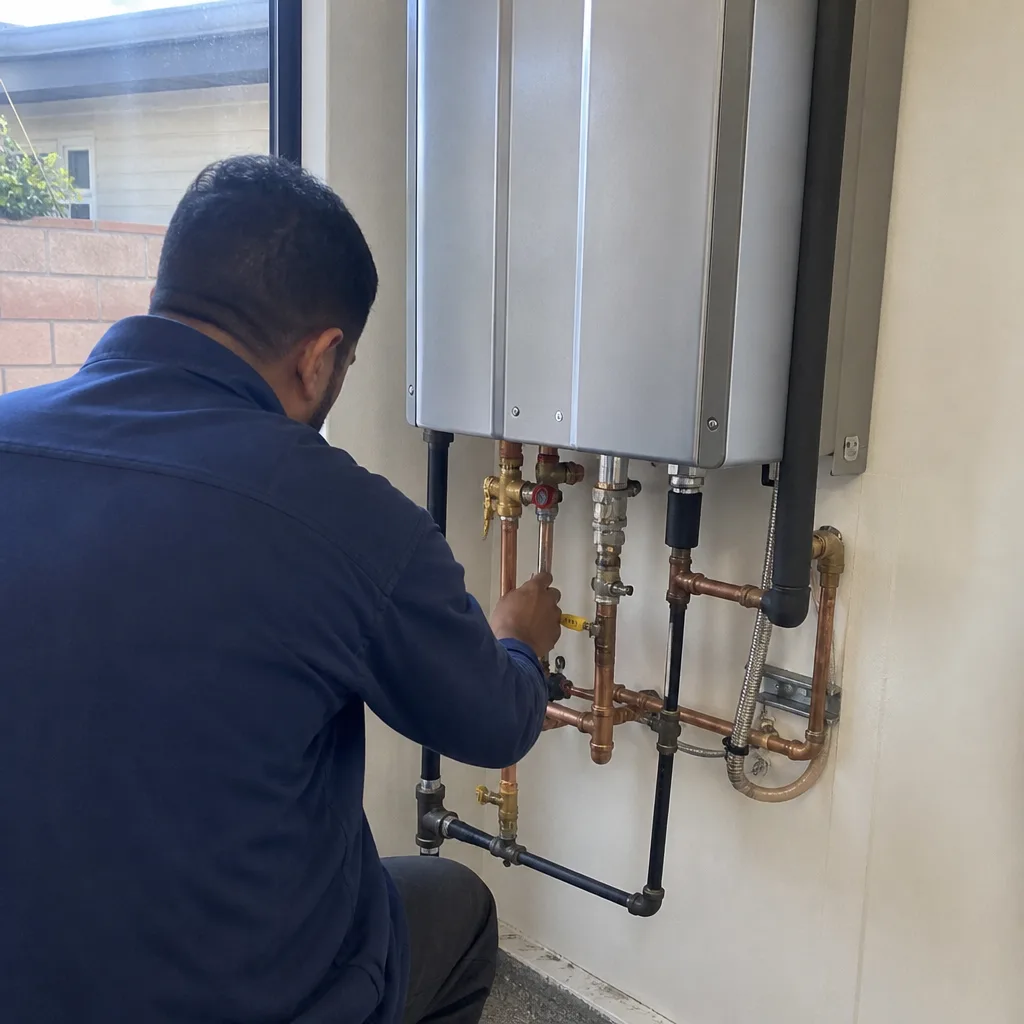
- Water heater replacement, furnace replacement, air conditioning installation, and any gas appliance change. Torrance enforces this consistently because of its older housing stock with original gas lines from the 1950s and 1960s.
- Window and exterior door replacement when the opening changes size. Same-size window replacement typically falls under a simple over-the-counter permit.
- Roof replacement beyond the first layer, any structural roofing repair, and any re-roof that changes the sheathing. (For roofing specifics, see our full guide on Mason Remodeling Co Torrance home services.)
- Additions, ADUs, garage conversions, and any change that creates new living space. Torrance has specific ADU ordinances layered on top of state law, and the city verifies compliance through the permit process.
Work that generally does not require a permit in Torrance
- Painting, wallpapering, and flooring replacement (including hardwood, vinyl plank, and tile when the subfloor remains intact)
- Cabinet replacement in the same footprint, with no plumbing or electrical moves
- Countertop replacement like Silestone or Caesarstone in the same layout
- Replacing a light fixture, switch, or outlet in the same box
- Replacing a faucet, toilet, or sink in the same location
- Minor drywall patch and repair under 10 square feet per room
- Fence replacement under 7 feet along the property line, subject to Torrance planning rules on front-yard visibility
The gray zone is real. A bathroom remodel where you replace the shower valve cartridge but keep the existing valve body may not require a permit. Replacing that same valve body does. When the line is fuzzy, call the Torrance Building and Safety Division at the city’s main line and ask. Staff answer that question dozens of times a day. It costs you ten minutes and removes the doubt. If you are already working with a General Contractor in Torrance, that contractor should be making these calls for you routinely.
How California’s 2022 Title 24 Energy Code Affects Kitchen and Bath Remodels
California’s Title 24, Part 6 energy code updated on January 1, 2023, and any permit application submitted after that date for a kitchen or bathroom remodel must comply with the 2022 standards. If you are pulling permits in 2025 or 2026, this is the code your inspector will cite. The most relevant changes affect lighting, ventilation, and water heating – exactly the systems you touch in a kitchen or bath remodel.
In a bathroom remodel, the 2022 code requires that any exhaust fan installed or replaced be a multi-speed model capable of continuous operation at a low setting, and it must be controlled by a humidity sensor or a timer. The old days of a single-speed fan on a switch are over. Your contractor will need to specify a fan that meets the airflow rating in cubic feet per minute for the bathroom’s square footage and show the inspector the model documentation at rough-in inspection. If you are doing a full Bathroom Remodeling in Torrance, expect the inspector to ask about the fan during the framing/mechanical inspection, not at final.
In a kitchen remodel, the lighting rules are the big one. Under the 2022 Title 24 code, no fixture in the kitchen can be non-dimmable, and the inspector can require that your new recessed cans be listed as “JA8-compliant” – a California-specific certification for high-efficacy lighting. Cheap online fixtures without the JA8 listing will fail inspection. Any window you replace in a kitchen or bath must meet the U-factor and solar heat gain coefficient for Torrance’s climate zone (which is Climate Zone 6 in the Title 24 map). Torrance’s coastal microclimate actually helps here: the marine layer and moderate temperatures mean the prescriptive window package is easier to meet than in the inland valleys.
Water heating is the third leg for remodels that touch the water heater or install a dedicated hot water recirculation loop. The 2022 code requires that any newly installed hot water delivery system in a remodel include either an on-demand recirculation pump with a demand control or an insulated trunk-and-branch layout within stated pipe-diameter limits. If your Home Remodeling in Torrance touches the plumbing at the water heater, this rule applies. Your contractor should be specifying the recirculation strategy on the plumbing drawing before the permit is even filed.
A knowledgeable contractor will have handled these Title 24 items hundreds of times and will preempt the inspector’s questions rather than reacting to a correction notice. A contractor who has never heard of JA8 or the multi-speed fan rule has not pulled a permit recently. In our experience, that is a red flag you should not ignore.
City Inspections vs. Third-Party Inspections: What Torrance Uses When
Torrance performs most residential inspections with city-employed or city-contracted inspectors through the Building and Safety Division. That is the normal path for a kitchen remodel, bathroom remodel, addition, or roof replacement. The inspector comes out at defined stages – typically framing, rough electrical, rough plumbing, insulation, and final – and either approves the work or issues a correction notice.
Third-party inspections are different. In Torrance, the city allows certain specialty inspections to be performed by private inspectors who are certified to inspect specific systems. The most common examples: earthquake shutoff valves, certain fire sprinkler retrofits in additions, and solar photovoltaic systems. A third-party inspection is not a shortcut around the city process. It is a parallel track where the private inspector submits the report to the city, and the city incorporates it into the permit file. Homeowners sometimes assume that hiring a third-party inspector means they can skip the city inspection. That is incorrect. The city inspection is the one that closes the permit. A private report without the city stamp does not close anything.
Where the distinction matters at the homeowner level is in scheduling. City inspectors in Torrance schedule inspections by block and day, not by exact time. If you or your contractor books a framing inspection for Wednesday, the inspector will arrive somewhere in a window that morning or afternoon. A third-party inspector, hired directly, gives you a narrower appointment window and is useful when you want a pre-purchase evaluation of a home’s existing systems without involving the city at all. But for permit closure, the city is the only authority that counts in Torrance.
What a ‘Final Inspection’ Actually Signs Off On (and What It Doesn’t)
A final inspection in Torrance is a focused review of the permitted scope of work. When the inspector signs the final inspection card, they are certifying that the specific work described in the permit application was completed and that the visible portions of that work comply with the code requirements in effect at the time the permit was issued. That is the whole scope. It is narrower than most homeowners assume.
A final inspection does not certify:
- That any work outside the permit scope is code-compliant
- That existing systems in your home – the old wiring in the rest of the house, the original cast-iron drain lines, the 1970s HVAC – are safe or up to current code
- That the contractor’s workmanship will hold up over time in ways the code does not address
- That hidden conditions, like a slow subfloor moisture issue behind that new tile, were evaluated
- That the contractor will honor any promises made outside the permit
This is precisely why the inspection record and a written contractor warranty serve different purposes. The city verifies code minimums. Your contractor’s written guarantee covers craftsmanship. At Mason Remodeling Co Torrance, every project concludes with a written guarantee that states, in plain language, exactly what is covered, what is excluded, and for how long – 365 days from the completion date. If a repair or installation fails within that year, we return at no charge. That is a different layer of protection than the city’s final inspection, and it is the layer that actually matters if the tile cracks or the drawer pulls loose six months after the final inspection card was signed. We also deliver a written price before any work begins on every project, which means the final inspection does not arrive with a bill that surprises anyone.
How to Retroactively Permit Unpermitted Work in Torrance
Unpermitted work is more common in Torrance than most homeowners want to admit, especially in homes built between 1945 and 1975, where generations of weekend projects accumulated. The most frequent discoveries we make: a converted garage (see our Construction Warning Signs: A Torrance Homeowner’s Reference Guide), a bathroom added in a hallway closet, an enclosed patio counted as living space, or a kitchen remodel where electrical work was never inspected. The good news is that most unpermitted work can be brought into compliance without a full tear-out. Here is the process in order.
- Figure out what was actually done. If you were not the owner when the work happened, look at the previous seller’s disclosure statement. If nothing is disclosed, you can request the permit history from the Torrance Building and Safety Division by address. If the city has no permits on record and the square footage or layout does not match the assessor’s records, you have unpermitted work.
- Determine the scope of the retroactive permit. The city will want to inspect the covered portions of the work. For a garage conversion, that means exposing the framing at the new wall locations, the electrical at the panel, and the ceiling insulation. It rarely means opening every wall. A qualified contractor can do targeted openings at the points the inspector designates.
- File the “as-built” permit application. You are asking the city to permit the work as it currently exists. Torrance will typically require you to bring any code violations in the exposed areas up to the current code before they will sign off. If the garage conversion has a bedroom with no egress window, that window gets added. If the panel is a recalled Zinsco or Federal Pacific model, that panel gets replaced.
- Schedule the retroactive inspection. The inspector will review the exposed areas, confirm the work meets code as it now stands, and note any additional corrections. Those corrections get completed and re-inspected.
- Close the permit. Once final inspection passes, the city updates its records. The work is now legal, the square footage counts, and the resale liability disappears.
There is a point where retroactive permitting is not worth attempting. If the unpermitted work is structurally unsound – a second-story addition framed with undersized lumber, a deck attached to a stucco wall without proper ledger bolts, framing that has been exposed to termites or water damage for years – the city may require the work to be brought fully to current code, which can mean a substantial rebuild. In those cases, the cost of legalization exceeds the cost of starting over. A contractor who tells you every unpermitted project is a simple fix is not being honest. Some are simple. Some are not. The only way to know is to open the walls and look.
If you are buying a Torrance home with known unpermitted work and you do not want to inherit the problem, you can make the seller legalize it before close. If they will not, the permitting cost and risk should be priced into your offer. Do not accept a verbal promise that “the city never checks.”
Common Mistakes to Avoid
- Assuming a contractor who says “no permit needed” is doing you a favor. A contractor who tells you a kitchen remodel with plumbing moves does not need a permit is either uninformed or betting you will not make it to resale. Either way, you carry the liability.
- Confusing the final inspection with a quality review. The city inspector checks code minimums for the permitted scope. That is not a craftsmanship review, and it will not catch poor tile work or a cabinet install that fails in a year.
- Pulling the permit yourself while a contractor does the work. When your name is on the permit, you are legally the responsible party. If the contractor walks off the job mid-project, you own the code violations and the failed inspections. Let the contractor pull the permit under their license and insurance.
- Starting work before the permit is issued. Torrance can issue a stop-work order and a fine if work starts without an active permit at the address. The fine is not waived because “the inspector was coming next week.”
- Ignoring Title 24 on a kitchen or bath remodel. Install non-compliant lighting or a single-speed bath fan and you will fail the inspection, re-order parts, and delay your project by weeks. The 2022 energy code is specific, and “the old one worked fine” does not matter.
- Buying a Torrance home without checking permit history. The Torrance Building and Safety Division provides permit records on request. Fifteen minutes of research before you make an offer can prevent a five-figure tear-out after escrow closes.
When to Call a Professional
If your project requires a permit, it is worth having a licensed contractor manage the permit, schedule the inspections, and answer the inspector’s questions-read our DIY vs Professional Construction: The Torrance Homeowner’s Decision Guide to weigh your options. The wrong person at the rough inspection can turn a one-visit approval into a correction notice that costs two weeks. If you inherited unpermitted work and want to know what legalizing it will cost, get a professional to do targeted openings and give you a real number. If you are selling and your agent flagged unpermitted work in the disclosure, address it before listing – the buyer’s inspector will find it anyway. Mason Remodeling Co Torrance offers free estimates in Torrance – call (424) 337-6939. We have managed permits for kitchen, bath, and whole-home projects in Torrance since 2004, and we will tell you honestly whether a permit is needed and what it will cost before any work begins.
Frequently Asked Questions
Torrance permit fees typically run between $500 and $3,500 for most residential kitchen and bath remodels, depending on the project’s valuation and the number of inspections required. A simple water heater replacement permit may cost under $200, while a garage conversion or addition can exceed $5,000 in permit and plan-check fees. Call (424) 337-6939 for an exact quote on your project – estimates are free.
Yes, unpermitted work almost always surfaces at resale, either through the seller’s legally required disclosure, the buyer’s home inspection, the appraisal comparing square footage to county records, or the lender’s underwriting review. The amount that surface depends on the scope of the work, but a garage conversion, added bathroom, or any square-footage change rarely stays hidden. The cost to fix it at resale is higher than the cost to permit it correctly the first time.
No, as long as you replace cabinets in the same footprint with no plumbing or electrical modifications, no gas line moves, and no wall changes, a permit is not required. Countertop replacement with a material like Caesarstone or Silestone in the same layout also does not require a permit. The moment you move the sink, relocate an outlet, or cut into a wall, you cross into permit territory.
An over-the-counter permit for simple work like a water heater or same-size window replacement can be issued the same day. A kitchen or bath remodel with plans typically takes 2 to 6 weeks for plan check depending on the city’s current workload. The inspection process adds another 2 to 8 weeks of construction time spread across the rough and final inspection stages. Call (424) 337-6939 and we can give you a realistic timeline for your specific project.
The city will issue a stop-work order, which halts all construction at the address until a permit is issued and any exposed code violations are corrected. There is also a fine, which Torrance typically sets as a multiplier of the standard permit fee – often 2 to 3 times the base fee depending on the scope. The work remains exposed until the city inspects it, which can add weeks of delay to a project that was already underway. It is cheaper and faster to permit before the first tool is unpacked.
California law allows a homeowner to pull a permit and perform work on their own primary residence if they occupy the property and perform the work themselves. However, you assume all legal and code liability, and if the work fails an inspection, it is your signature on the correction. For work involving gas lines, structural changes, or anything you have not done to code before, a licensed contractor is the safer call. Mason Remodeling Co Torrance’s crew members are background-checked, identity-verified, and arrive in uniform with a photo ID badge – so you know exactly who is doing the work.
The Bottom Line
California’s permit system is not friction. It is your legal record that the work in your home was done to code, and Torrance enforces it more consistently than most homeowners expect. Permitted work protects your resale value, your insurance coverage, and your family’s safety. Unpermitted work surfaces at the worst moments and costs more to fix then than it ever would have to do right the first time. If you are planning a kitchen, bath, or whole-home remodel in Torrance, start with a contractor who pulls permits as standard practice, puts the price in writing before any work starts, and backs the finished job with a written guarantee. Call Mason Remodeling Co Torrance at (424) 337-6939 for a free estimate. We have been serving Torrance homeowners since 2004, and a live person answers every call, 24 hours a day, 7 days a week.
Written by Isaac Pruett, Owner at Mason Remodeling Co Torrance, serving Torrance since 2004.
See the difference
 Before
 After
After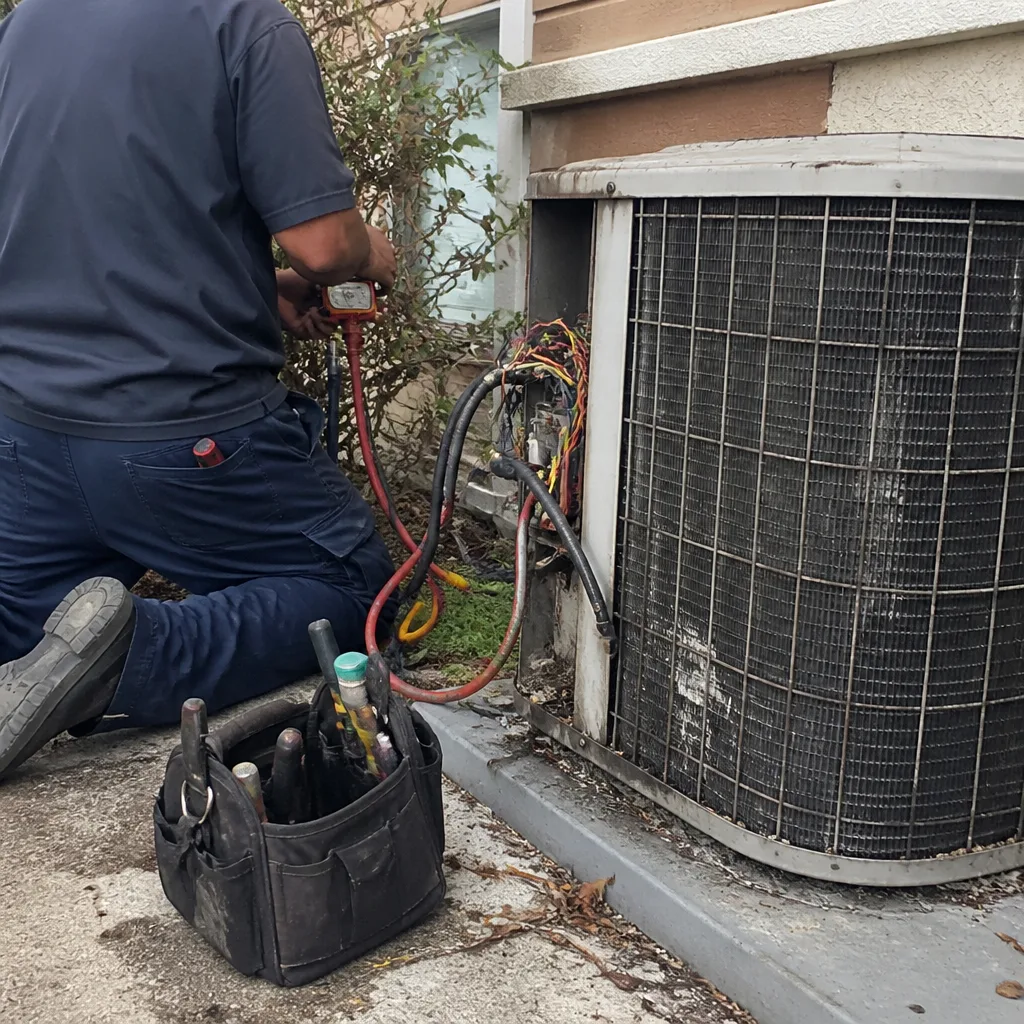 Before
 After
After Before
 After
After