Last updated October 15, 2026








Free written scope consultation - allowances, timeline, and change-order rules on paper before a single trade is scheduled
How to Hire a Construction Contractor in Torrance: A Step-by-Step Guide
Here’s a number that should stop you cold: the California Contractors State License Board shows over 400 licensed general contractors operating within 10 miles of Torrance. That license, the one everyone tells you to check first, tells you almost nothing about who will actually walk through your door, whether they’ll finish the job, or what happens when the tile cracks six months later. Our Complete Guide to Construction in Torrance reframes hiring as a vetting process, not a price-shopping exercise. We’ll walk through exactly what to verify before you sign anything, the four contract clauses that matter most in California, and the Torrance-specific red flags that have cost local homeowners thousands.
At Mason Remodeling Co Torrance, we’ve been doing this work since 2004. Isaac Pruett, our owner, has seen every complication this market can throw at a homeowner. Nothing in this guide is theoretical. It’s what we’d tell a neighbor over coffee before they hire anyone, including us.
Styles & brands we work with






Quick Answer
Hiring a construction contractor in Torrance means verifying four things before you sign: that the specific crew members who will enter your home are on record with the company and identified before day one, that you have a written fixed-price proposal with no open-ended allowances, that the contractor’s complaint history is clean beyond just the CSLB license check, and that the contract includes California-specific clauses covering change orders, payment schedules, lien releases, and the right to cancel. If any of those four are missing, keep looking.
Table of Contents
- Step 1: Verify the Person, Not Just the License
- Step 2: Demand a Written Fixed-Price Proposal
- Step 3: Check the Real Complaint History
- Step 4: The Four Contract Clauses That Matter in California
- Step 5: Understand Torrance Permitting and Inspection
- Step 6: Torrance-Specific Red Flags to Watch For
- Step 7: Ask About Material Partners and Product Warranties
- Common Mistakes to Avoid
- When to Call a Professional
- Frequently Asked Questions
- The Bottom Line
Step 1: Verify the Person, Not Just the License
Every hiring guide tells you to check the contractor’s license. That’s the bare minimum, and in Torrance it’s not nearly enough. Here’s the uncomfortable truth: a company can hold a valid CSLB license while sending subcontractors, day laborers, or unverified workers to your home. The person whose name is on the license may never set foot on your property.
Before you sign anything, ask these questions directly:
- Who exactly will be doing the work? Ask for names. Not “our crew” or “one of our teams.” Actual names.
- Will those people be on record with the company before they arrive? A legitimate contractor can tell you who is coming and confirm those people are employees or documented subcontractors.
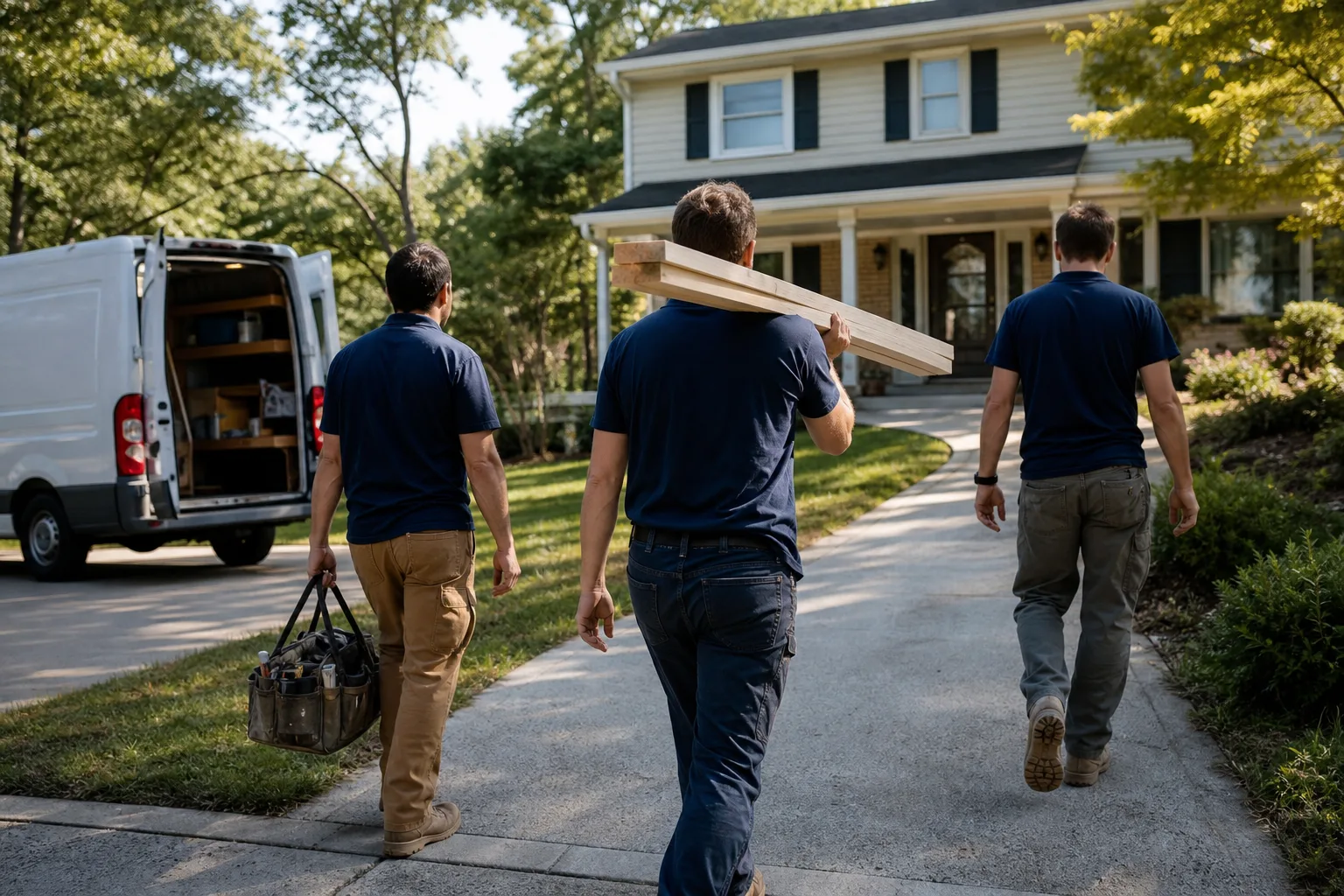
- How will I recognize them at the door? You should receive the technician’s name and photo before the visit, and they should carry photo ID when they arrive.
- Are background checks standard practice? If the answer is anything other than an immediate yes, that’s a problem.
We built our entire process around this because we know what it feels like to open your door to a stranger. At Mason Remodeling, every crew member goes through what we call the Threshold Standard: background check, identity verification, and a uniform requirement. You get the technician’s name and photo before they arrive, and they show a photo ID badge at the door. No exceptions, ever. That’s not a premium feature. It’s the baseline for letting someone into your home.
Torrance homeowners include a lot of people who are home alone during the day, parents with young kids, and older adults. The security question isn’t abstract. It’s who is standing on your porch at 8 a.m. on a Tuesday.
Step 2: Demand a Written Fixed-Price Proposal
The word “estimate” is doing a lot of heavy lifting in this industry, and much of it is legal cover for price increases later. In California, an estimate is exactly that: an approximation. A written fixed-price proposal is a commitment. If you don’t know which one you’re holding, you don’t know what the job will cost.
A written fixed-price proposal should contain:
- Complete scope of work in plain language. Every room, every fixture, every material specified. No shorthand like “install bathroom” without detail.
- Line-item pricing. You should see labor, materials, and any subcontractor costs separated. If the proposal is one lump number with no breakdown, ask for the breakdown.
- Allowance amounts, if any. Allowances for fixtures or finishes are common, but they must have a stated dollar amount and a clear process for what happens if you go over or under.
- Payment schedule tied to milestones. Not dates. Milestones. “25% at demolition complete,” not “25% on day 10.”
- Timeline with start and completion dates. Completion dates can shift for weather or permit delays, but the contract should state them and require written notice of any change.
- Exclusions. What is not included. If it’s not on the exclusion list, it’s in scope. Get it in writing.
At Mason Remodeling, a written price is delivered on every project before any work starts. It is not optional, not a promotion, and never waived. We don’t do verbal estimates that grow on the final bill. If a contractor in Torrance won’t put a fixed price in writing before work begins, walk away. The language in their reluctance is the language they’ll use when the change order comes.
Step 3: Check the Real Complaint History
The CSLB license check tells you if a license exists and whether it’s active. It doesn’t tell you about the contractor who walked off a job in South Torrance last spring, or the one with three pending lawsuits in Los Angeles County Superior Court. A clean CSLB record is a starting point. It is not a recommendation.
Here’s how to actually check a contractor’s history in Torrance:
- CSLB license lookup. Verify the license is active, not suspended or expired. Check the issue date. If the contractor has been licensed for less than two years, that’s information. A contractor can hold a license for years and still be new to the type of work you need.
- Torrance city building department. Ask about stop-work orders on the contractor’s permit history. The city keeps records. You can request them.
- Los Angeles County Superior Court. Search civil case records for the contractor’s name and the company name. You’re looking for construction defect claims, breach of contract, or mechanic’s lien disputes.
- Better Business Bureau. Less comprehensive than it used to be, but complaint patterns are still visible.
- Specific neighborhood references. Ask for homeowners in Torrance who had similar work done in the last 12 to 18 months. Not five years ago. Recent work, recent references.
One more thing: when you ask for references, ask for a reference from a project that had a problem. Every contractor has a story about something that went wrong and had to be fixed. You want to hear that story, because how a contractor handles the problem is the entire ballgame. If they say nothing ever goes wrong, that’s the red flag.
Step 4: The Four Contract Clauses That Matter in California
California construction law has specific requirements, and four clauses matter more than any others in a Torrance residential remodel. If a contractor refuses to include any of these, that’s not a negotiation. That’s your signal to end the conversation.
1. Change Order Clause. A change order is a written document that changes the scope or price of the work. Without a clause requiring written change orders signed by both parties before any additional work begins, a contractor can do extra work and bill you for it at the end. The clause should state: no verbal changes, no changes without a signed written change order, and no change order work begins until you approve it in writing.
2. Payment Schedule Clause. California law caps the down payment for home improvement contracts at 10% of the total project price or $1,000, whichever is less. A contractor who asks for more than that upfront is breaking state law. The payment schedule should tie each payment to completed, verifiable work. Never pay in full before the job is done and you’ve done a walkthrough.
3. Mechanic’s Lien Release Clause. A mechanic’s lien is a legal claim against your property filed by a contractor, subcontractor, or material supplier who wasn’t paid. If your contractor doesn’t pay their subs, those subs can lien your house even though you paid the contractor. A lien release clause requires the contractor to provide conditional and unconditional lien releases from every sub and supplier as payments are made. Without it, you could pay in full and still face a lien.
4. Right to Cancel Clause. California gives homeowners a three-day right to cancel most home improvement contracts. The clause should be in the contract in writing, and the contractor should explain it. If they don’t mention it, ask. If they downplay it, remember that.
These four clauses are not legal jargon. They’re the difference between a contract that protects you and a piece of paper that protects the contractor. Most homeowners in Torrance have never heard of a lien release clause. The contractor who includes it without being asked is the contractor who expects to be held accountable.
Step 5: Understand Torrance Permitting and Inspection
In our Seasonal Construction Care for Torrance: Year-Round Homeowner’s Guide, we cover how Torrance is its own city with its own building department, not an unincorporated area that falls under county jurisdiction. That means permits are pulled through the City of Torrance, inspections are scheduled with Torrance inspectors, and the city has its own requirements for things like energy efficiency, structural changes, and water heater placement.
Here’s what you need to know about permitting in Torrance:
- Permits are the contractor’s job. A legitimate contractor pulls permits in their own name. If a contractor suggests pulling permits in your name, that’s a liability shift. The permit holder is responsible for the work passing inspection. You don’t want that responsibility.
- Inspections are milestones. Torrance inspections happen at specific stages: rough framing, rough plumbing, rough electrical, insulation, final. Each inspection should be scheduled, passed, and documented. You have the right to be there for every inspection. Go to them.
- Unpermitted work follows the house. When you sell a home in Torrance, the buyer’s inspector will find unpermitted work. You’ll either pay to bring it up to code, pay to tear it out, or lose the sale. Unpermitted work is not a savings. It’s a deferred cost with interest.
We pull permits on every project that requires them, and we don’t start work until the permit is posted. That’s been our practice since 2004. It’s slower than the contractor who says “we can just handle that without the city,” and it’s the only way we work.
Step 6: Torrance-Specific Red Flags to Watch For
Every market has its own failure patterns. In Torrance, we see the same ones repeat. Here’s what to watch for:
The “permit in your name” move. A contractor tells you they can save time or money by pulling the permit in your name because they’re “between licenses” or “the city is backed up.” What they’re actually doing is making you legally responsible for the work. If something fails inspection, it’s your problem. Never agree to this.
The subcontractor chain. You hire a contractor. They sub out the plumbing. The plumber subs out the rough-in. The person doing the actual work is three companies removed from the person you signed with. When the work fails, everyone points at everyone else. Ask directly: how many layers of subcontractors will be on this job, and who is responsible for each layer?
The “while we’re here” scope creep. The contractor is in your home, sees something, and suggests a repair or upgrade that wasn’t in the contract. It sounds small. Then it’s on the bill. Then it’s not small. A written change order process stops this before it starts.
The disappearing paperwork. You ask for a copy of the license, the insurance certificate, the warranty terms, the material specs. The contractor says they’ll send it. They don’t. You ask again. Same response. If paperwork is this hard before the job starts, it’ll be impossible after.
Step 7: Ask About Material Partners and Product Warranties
The materials on your project have warranties, and those warranties matter. But there’s a difference between buying a product from a big-box store and working with a contractor who has specification-grade material partnerships. The product is the same. The support behind it is not.
When a contractor has direct relationships with manufacturers like Unilock for hardscaping or Techo-Bloc for pavers, you get access to the full product line, not just the retail assortment. You get the manufacturer’s technical support on the job. And when something fails, you have a warranty path that actually works, because the contractor can talk to the manufacturer in the manufacturer’s language.
Ask your contractor: Who do you buy from, and what happens if a material fails? The answer tells you a lot. A contractor who says “we’ll figure it out if it happens” is not the contractor you want on a $40,000 bathroom remodel.
We work with specification-grade partners across cabinetry, surfaces, fixtures, roofing, and hardscaping for exactly this reason. It means our clients get vetted products and warranty support that doesn’t die when the job is done. The 365-Day Done Right Promise we put on every completed project is our backstop: if the work isn’t right within a year of completion, we make it right at no cost.
Common Mistakes to Avoid
- Getting three bids and picking the middle one. Three bids tell you three prices. They don’t tell you about the person who will do the work, the contract clauses you’ll sign, or what happens when the problem shows up. Vet first, price second.
- Checking only the CSLB license. The license confirms the company exists and has insurance. It says nothing about the crew, the subcontractors, or the complaint history. Dig deeper.
- Accepting a verbal estimate. In California, a verbal estimate can legally change. A written fixed-price proposal cannot. If the contractor won’t write it down, the price is going to move.
- Paying more than 10% upfront. State law caps home improvement down payments at 10% or $1,000, whichever is less. A contractor who asks for more is either unaware of the law or testing whether you are.
- Skipping inspections. Torrance inspections are your protection. Miss one, and you’ve lost your only objective check on the quality of the work.
- Ignoring the lien release. This is the most common way Torrance homeowners end up paying twice: once to the contractor, once to the subcontractor who wasn’t paid. Require lien releases on every payment.
- Choosing on price alone. The lowest bid is almost never the cheapest job. It’s the job where the corners are cut somewhere. You just don’t know where yet.
When to Call a Professional
You don’t need to figure all of this out on your own. Some situations call for help sooner rather than later. If you’re planning a project that requires structural changes, moving plumbing or electrical, or a permit from the City of Torrance, call a professional before you touch anything. If a contractor you’ve been talking to refuses to provide a written fixed-price proposal, call someone else. If you’ve already signed a contract and now realize it’s missing the clauses we described, call an attorney, then call a contractor who does this right.
Mason Remodeling Co Torrance offers free estimates on Home Remodeling in Torrance and Bathroom Remodeling in Torrance projects. Call (424) 337-6939 and a live person answers, 24 hours a day, seven days a week. No call trees, no voicemail loops. You’ll get a written price before any work starts, and every crew member is verified through the Threshold Standard before they ever reach your door. As a General Contractor in Torrance, we handle the permits, the inspections, and the paperwork. That’s the job.
Frequently Asked Questions
A bathroom remodel in Torrance typically runs $18,000 to $45,000 depending on scope and materials. A kitchen remodel typically runs $35,000 to $85,000. Whole-home remodels start around $100,000 and go up from there based on square footage and structural work. These are real numbers from the Torrance market, not national averages. For an exact quote on your project, call (424) 337-6939 for a free estimate with written line-item pricing.
Check the California Contractors State License Board website by entering the contractor’s license number. Confirm the license is active, not suspended, and that the license holder’s name matches the person or company you’re talking to. Then check the Torrance building department for stop-work orders and the Los Angeles County Superior Court for civil cases. A clean CSLB check is the floor, not the ceiling.
A written proposal should include the complete scope of work, line-item pricing, allowance amounts with a process for overages, a payment schedule tied to milestones, a timeline with start and completion dates, and a list of exclusions. If any of those are missing, ask for them in writing before you sign. Verbal promises don’t survive a dispute.
Yes. California law gives homeowners a three-day right to cancel most home improvement contracts. The right to cancel should be stated in the contract itself. If the contractor doesn’t mention it, ask. If they act like it doesn’t apply, that’s a signal you’re working with the wrong contractor.
Require a lien release clause in your contract and ask for conditional and unconditional lien releases from every subcontractor and material supplier as each payment is made. If your contractor pays their subs, the lien releases prove it. If they don’t, the subs can file a lien against your home even though you paid the contractor in full.
A typical bathroom remodel in Torrance takes 4 to 8 weeks depending on scope. Structural changes, custom cabinetry, and tile work add time. Permit inspections add time in scheduling, not in work. A contractor who promises a full bathroom remodel in two weeks is cutting corners somewhere, and in Torrance that usually means skipping inspections. Call (424) 337-6939 for a realistic timeline on your specific project.
The Bottom Line
Hiring a contractor in Torrance is a vetting process, not a price-shopping exercise. The license check is step one, not the finish line. What matters is who shows up at your door, what’s written in the proposal, and what your contract says when the problem happens. Get the names of the crew before day one. Demand a written fixed-price proposal with no open-ended allowances. Check the real complaint history beyond the CSLB. Require the four contract clauses: change orders, payment schedule, lien releases, and right to cancel. And if a contractor can’t or won’t meet those standards, keep looking. Your home is worth the homework.
Written by Isaac Pruett, Owner at Mason Remodeling Co Torrance, serving Torrance since 2004.
See the difference
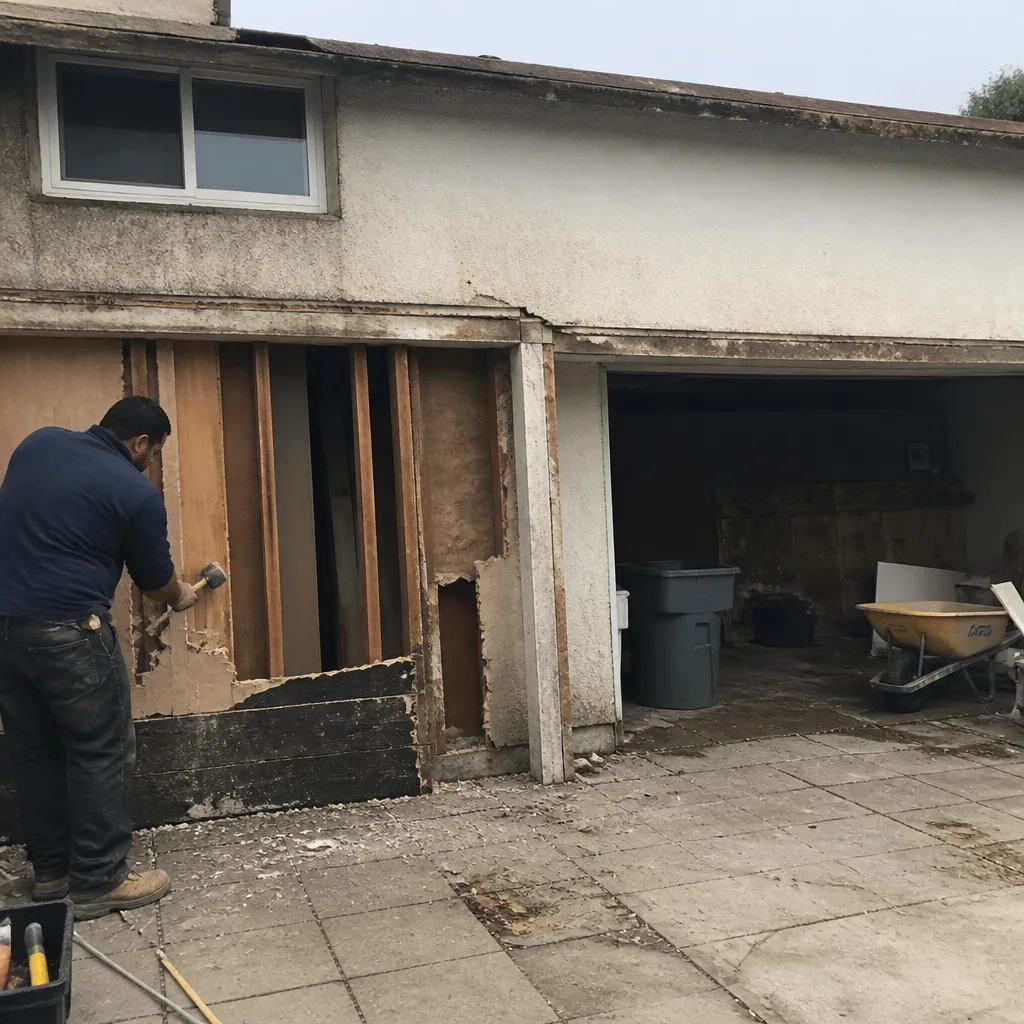 Before
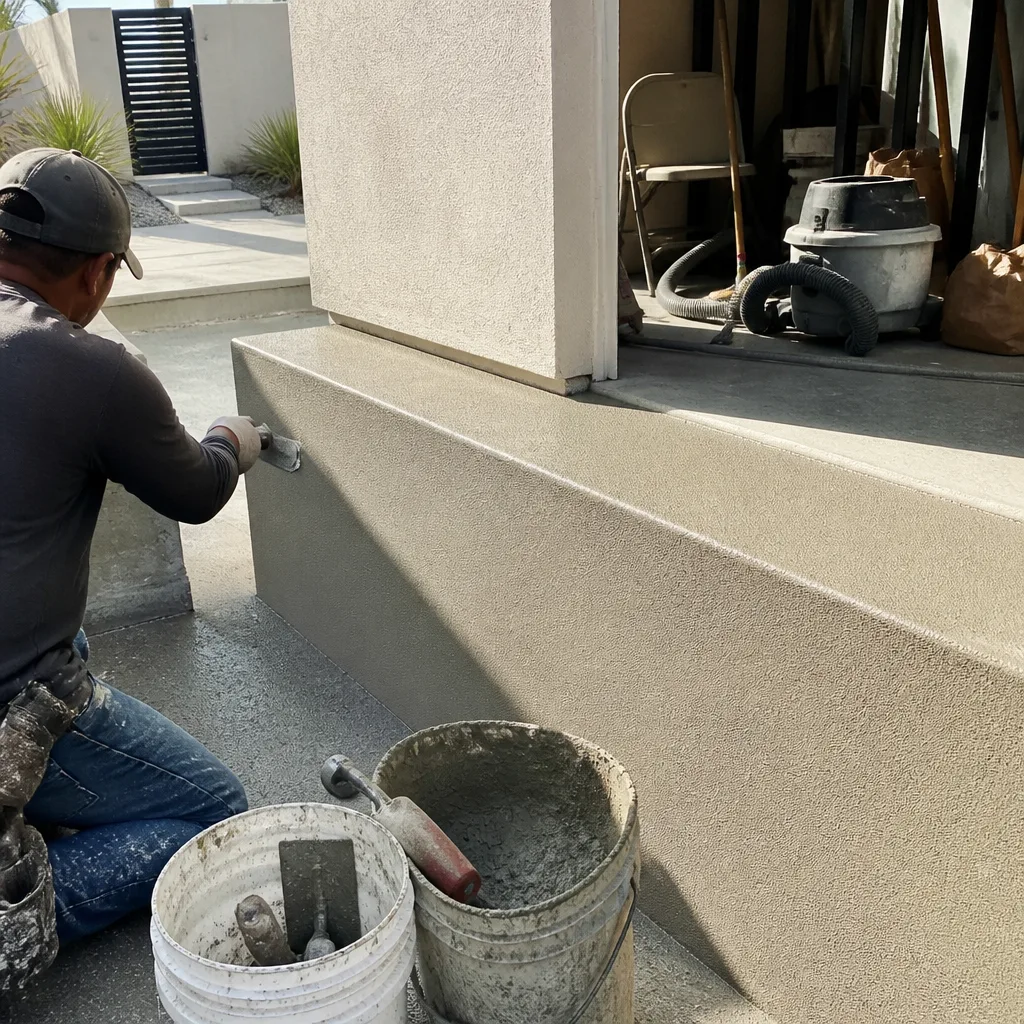
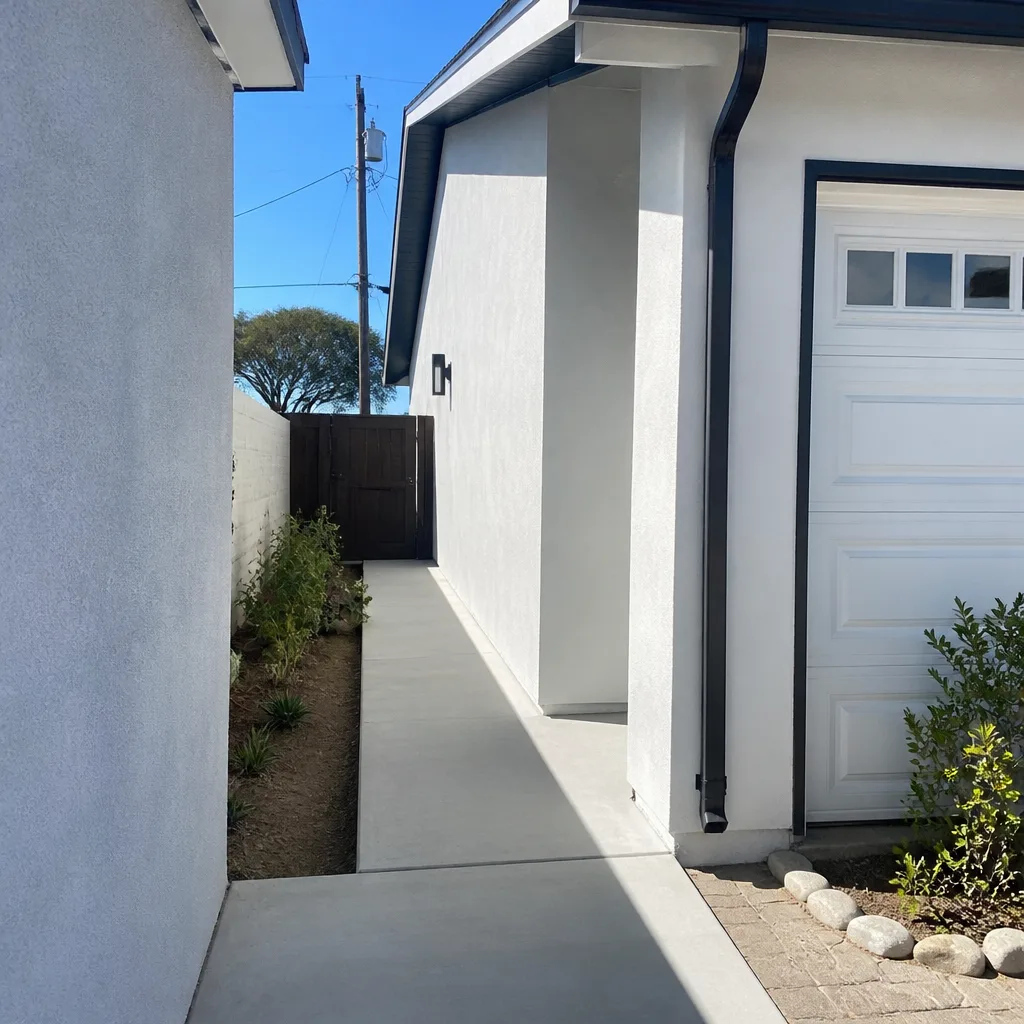 After
After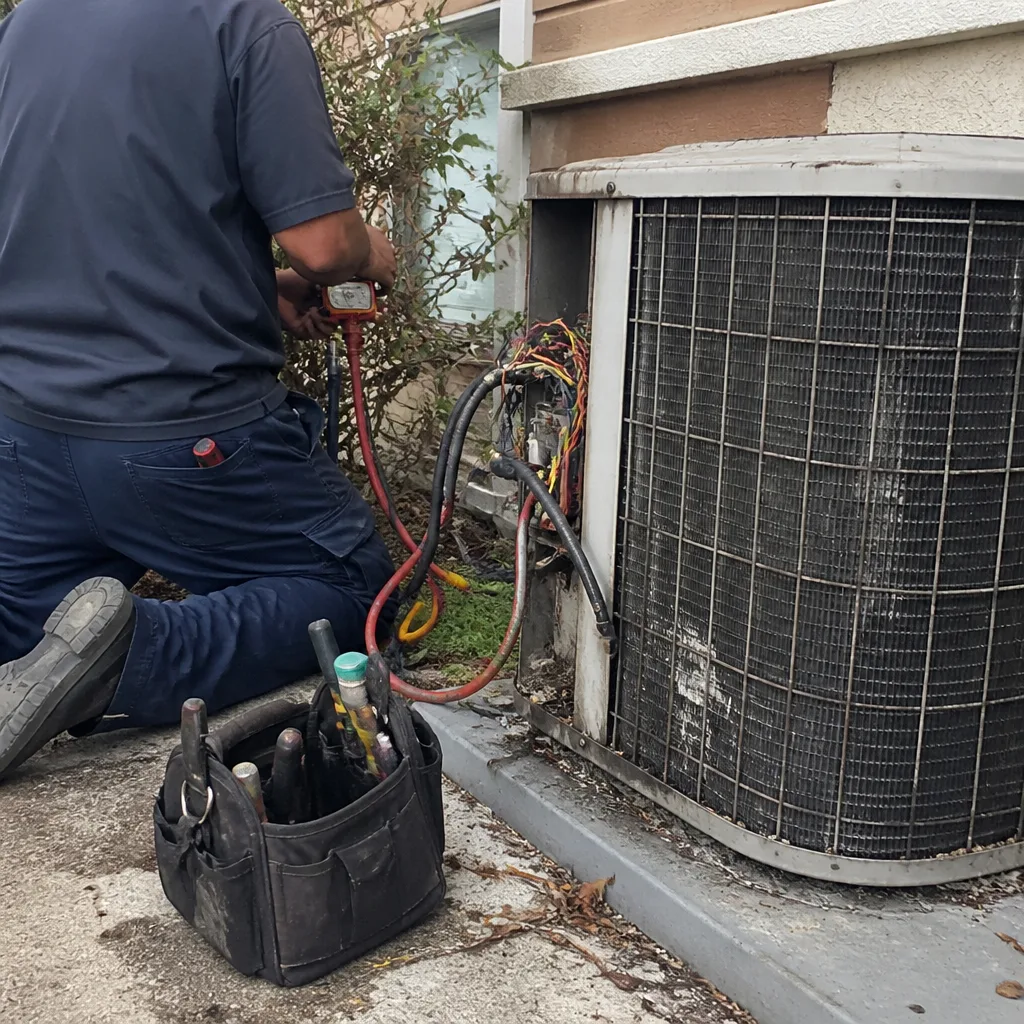 Before
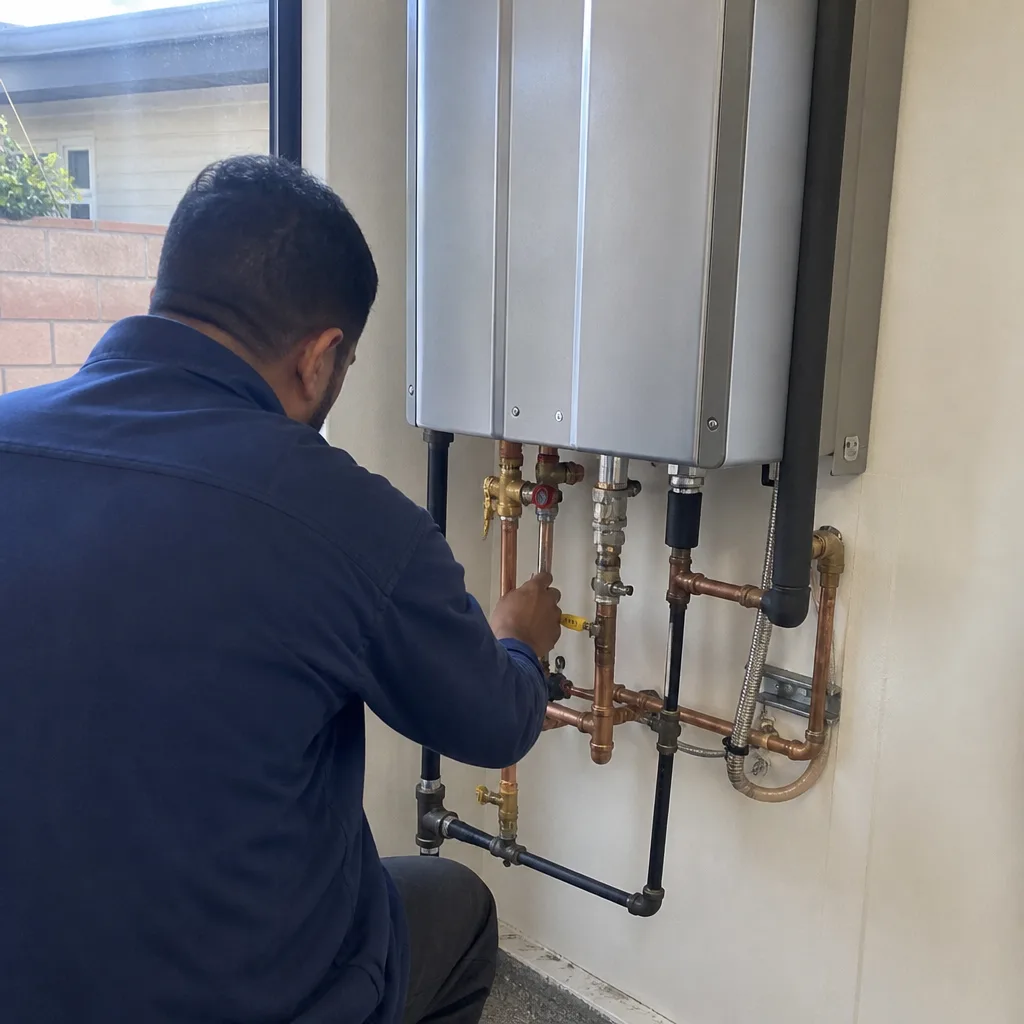 After
After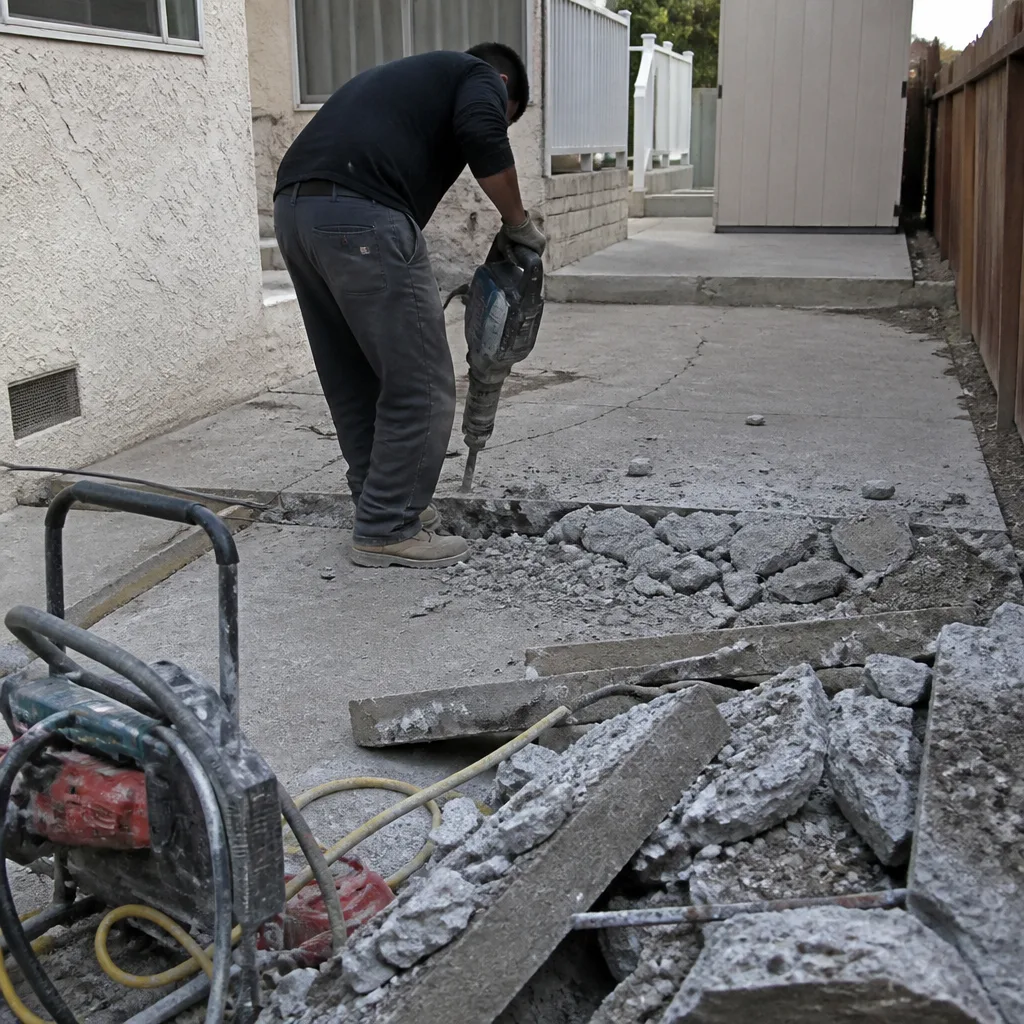 Before
 After
After