Last updated October 15, 2026






Free written scope consultation - allowances, timeline, and change-order rules on paper before a single trade is scheduled
DIY vs Professional Construction: The Torrance Homeowner’s Decision Guide
The question isn’t whether you’re handy. The question is whether you want to become legally responsible for the work for as long as you own the home. In California, a homeowner who pulls their own permit and performs their own construction assumes full contractor liability for that work. If a DIY electrical connection contributes to a fire five years after you patched the wall and called it done, your insurance company can legally deny the claim. You eat the loss. Most Torrance homeowners don’t discover this until they’re standing in the rubble or signing a seller’s disclosure form. This guide walks through the legal, financial, and practical realities of doing it yourself versus hiring a licensed professional, with specifics for Torrance homes built between the 1940s and 1980s.
Quick Answer
DIY construction makes financial sense for cosmetic, non-permitted work under $500 in materials like painting, trim, and hardware replacement. It almost never makes sense for electrical, plumbing, structural, or waterproofing work in Torrance, where homes skew older and small mistakes create permit records, insurance exposure, and resale disclosure obligations that follow the property. The professional route costs more on the invoice but transfers liability to a licensed contractor, produces a permit record that protects resale value, and comes with a written warranty. For anything that touches water, electricity, structure, or code, hire a licensed contractor. For guidance on finding the right professional, see our How to Hire a Construction Contractor in Torrance: A Step-by-Step Guide.
Styles & brands we work with



Table of Contents
- What California Law Says You Can and Cannot DIY
- How DIY Work Affects Your Homeowner’s Insurance
- The Torrance Factor: Older Homes and Pre-Existing Code Violations
- The Real Cost of DIY: Tools, Time, and Do-Overs
- Permits in Torrance: What Triggers Them and What Skipping One Costs
- The Decision Matrix: A Project-by-Project Go/No-Go
- Selling a Home with DIY Improvements: Disclosure Reality
- Common Mistakes to Avoid
What California Law Says You Can and Cannot DIY
California Business and Professions Code Section 7048 draws a clear line: a homeowner may personally perform work on their own primary residence without a contractor’s license, but only if the work does not require a building permit and is not structural, electrical, plumbing, or mechanical in nature. The moment a permit is required, the homeowner can still pull it as an “owner-builder,” but that designation triggers a different set of obligations, including an owner-builder disclosure form that must be signed if the home is sold within five years.
Here’s what the law means in practice for Torrance homeowners:
- You can legally DIY: painting, drywall patch and texture, baseboard and trim, cabinet hardware, faucet replacement (no repiping), light fixture swap (no new wiring), flooring over existing subfloor, fence repair on level ground, and landscape hardscaping with no retaining structure over 3 feet.
- You cannot legally DIY without a contractor’s license: any electrical panel work, new circuits, rewiring, gas line modification, main water line work, sewer lateral replacement, structural wall removal, foundation work, roof replacement, window enlargement, or any project requiring a permit in the City of Torrance.
- The gray zone: bathroom remodels that move plumbing fixtures require a permit. Swapping a vanity and refinishing tile does not. Most Torrance homeowners underestimate which side of this line their weekend project falls on.
We’ve seen the same pattern dozens of times over twenty years in Torrance: a homeowner removes a wall, discovers a load-bearing beam, and calls us after the drywall is open. At that point the project has already crossed from DIY into licensed territory. The question becomes whether the city inspector will accept the work already done. Often, the answer is no, because unpermitted structural changes carry no inspection record, and the homeowner pays to undo the work before the licensed fix can begin. Our team at Mason Remodeling Co Torrance has walked through this exact scenario more times than we can count.
How DIY Work Affects Your Homeowner’s Insurance
Insurance companies in California write policies based on risk assumptions. A home maintained by licensed professionals with permit records is a known quantity. A home with owner-performed electrical, plumbing, or structural work is not. When you file a claim, the adjuster’s first job is to find a reason to reduce or deny payment, and unpermitted DIY work is the most common reason they find.
Here’s the sequence we tell every Torrance homeowner to understand before picking up a reciprocating saw:
- You do the work without a permit. The work is invisible to the city but not to the next owner, the next inspector, or the fire investigator.
- Something fails. A water supply line you installed in a Torrance bathroom remodel develops a slow leak inside a wall. Mold spreads. You file a claim for $22,000 in water damage.
- The adjuster investigates. They pull permits from the City of Torrance. None exist for the bathroom. They ask who did the work. You say you did. Or they infer it from the lack of permits.
- The claim is denied or reduced. Standard California homeowner’s policies exclude damage caused by faulty workmanship, and unpermitted work performed by the owner is frequently classified as faulty workmanship by default. You pay for the mold remediation, the pipe repair, and the wall reconstruction out of pocket.
Even if the work itself never fails, the permit record matters. Insurance carriers in California increasingly require a four-point inspection (roof, electrical, plumbing, HVAC) before writing or renewing a policy for homes over 40 years old, which describes most of Torrance’s housing stock. An inspector who finds unpermitted electrical work will flag it, and the carrier may decline coverage until a licensed contractor pulls a permit and corrects the work. That correction often includes opening walls, which doubles the original project cost. Our Seasonal Construction Care for Torrance: Year-Round Homeowner’s Guide explains how routine professional maintenance helps avoid these surprises.
The Torrance Factor: Older Homes and Pre-Existing Code Violations
Torrance grew in three major building waves: the post-war boom of the 1950s in neighborhoods like Old Torrance and the Avenues, the 1960s expansion into the central corridor, and the 1970s tracts in South Torrance. Homes from these eras share specific characteristics that make DIY work riskier here than in newer communities.
The core issue is this: when you open a wall in a 1962 Torrance home, you rarely find what current code expects. You find knob-and-tube wiring remnants, ungrounded outlets, galvanized supply lines at the end of their service life, cast-iron drain pipes with interior scaling, and structural framing practices that predate modern seismic requirements. None of that is visible until the wall is open. None of it is your fault. But all of it becomes your legal obligation to address once you expose it.
Under California law, when a homeowner performs work that requires a permit and the inspection reveals pre-existing code violations in the affected area, those violations must be brought to current code before the inspector signs off. The scope is limited to the work area, but in an older Torrance home, the work area typically includes everything behind the drywall. Here’s a real example from our own job board:
A homeowner in Torrance’s Seaside neighborhood planned a simple DIY bathroom refresh: new vanity, new toilet, new floor tile. He removed the old tile and found the subfloor soft around the toilet flange. He pulled the subfloor and found the cast-iron drain line cracked and the floor joists water-damaged. What started as a $3,000 cosmetic project became a $24,000 licensed repair requiring a permit, structural work, and plumbing replacement. He called us after the room was gutted and the city had already been notified by a neighbor concerned about the debris in the driveway. The permit was pulled retroactively, which triggered the full inspection sequence on the entire bathroom. The homeowner paid for the ruined vanity and toilet, the demo labor, the permit penalty, and then the full professional repair.
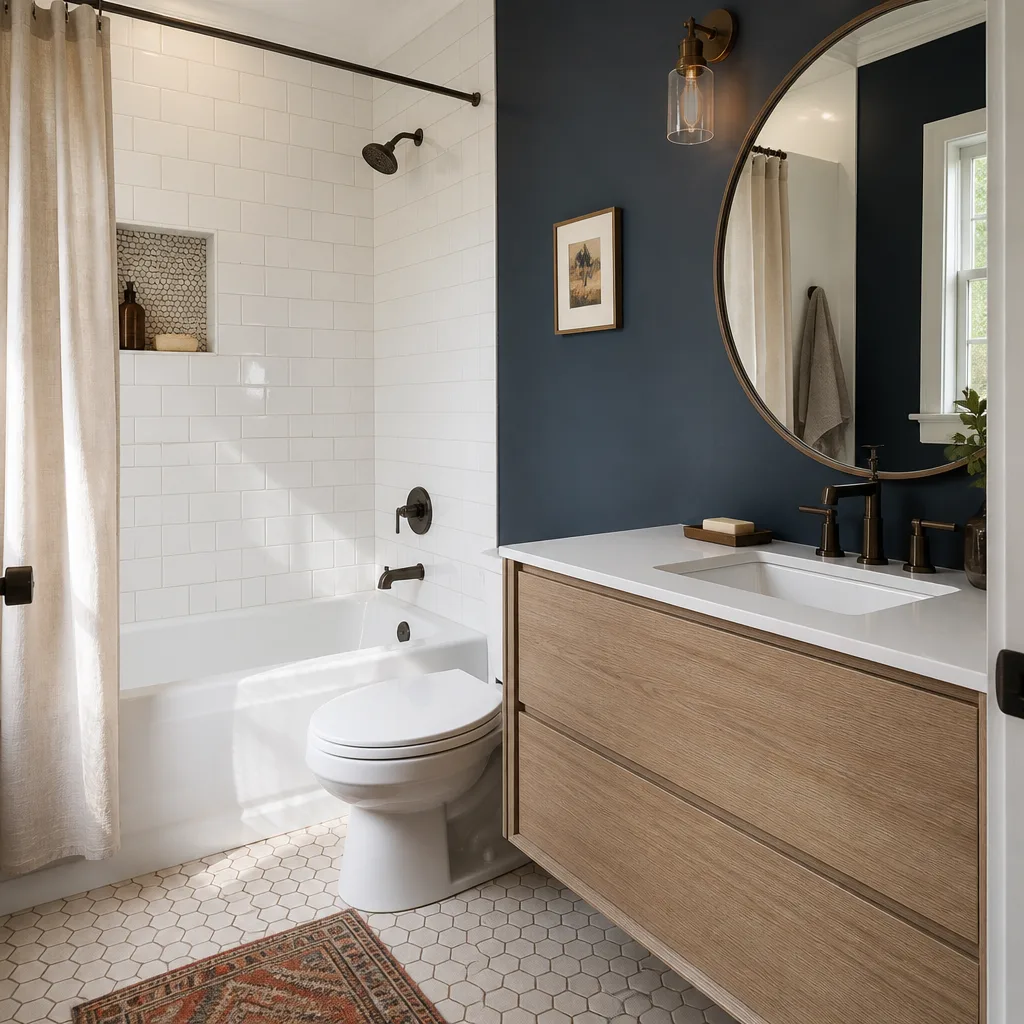
Bathroom remodeling in Torrance on homes from this era requires a contractor who has worked on enough of these houses to plan for what’s behind the wall. That experience prevents the cascade, not by making the problems disappear, but by pricing them into the estimate before the first tile is pulled.
The Real Cost of DIY: Tools, Time, and Do-Overs
YouTube makes every project look like a weekend. The reality is that most DIY work on Torrance homes takes three to five times longer than the tutorial suggests, because the tutorial shows a newer home with standardized framing and modern materials. Torrance homes predate those standards.
Here’s an honest cost audit for three common projects where homeowners think they’ll save money:
Project 1: Replace a bathroom vanity and faucet
- DIY materials: $400 – $900 for a mid-range vanity, faucet, P-trap, supply lines, caulk, and basic hand tools if you don’t already own them.
- DIY time: One full day if the shutoff valves work. Two to three days if the valves are seized, which they are in most Torrance homes built before 1990.
- Professional cost in Torrance: $1,200 – $2,200 including the existing vanity removal, valve inspection or replacement, install, and haul-away.
- Verdict: DIY can save $500 – $1,000 here if the plumbing cooperates. It loses money if you have to call a plumber mid-project to replace a valve, which is roughly a 40% probability in this housing stock.
Project 2: Replace light fixtures (no new wiring)
- DIY materials: $80 – $300 per fixture plus a voltage tester and wire nuts.
- DIY time: Under two hours per fixture if the box is standard and the wiring is intact.
- Professional cost in Torrance: $150 – $400 per fixture including the fixture swap, box inspection, and minor wiring correction if needed.
- Verdict: This is one of the few genuinely DIY-friendly electrical tasks, provided you turn off the breaker, verify with a non-contact voltage tester, and stop the moment you see cloth-insulated wire. That wire is brittle, and disturbing it can crack the insulation and create a short circuit inside the wall.
Project 3: Replace a patio slab or walkway
- DIY materials: $500 – $1,500 for concrete, forms, rebar, gravel base, and tool rental.
- DIY time: Two weekends for a 120-square-foot pour, assuming you have another person to help mix and place.
- Professional cost in Torrance: $2,500 – $5,000 depending on access, demo, and finish.
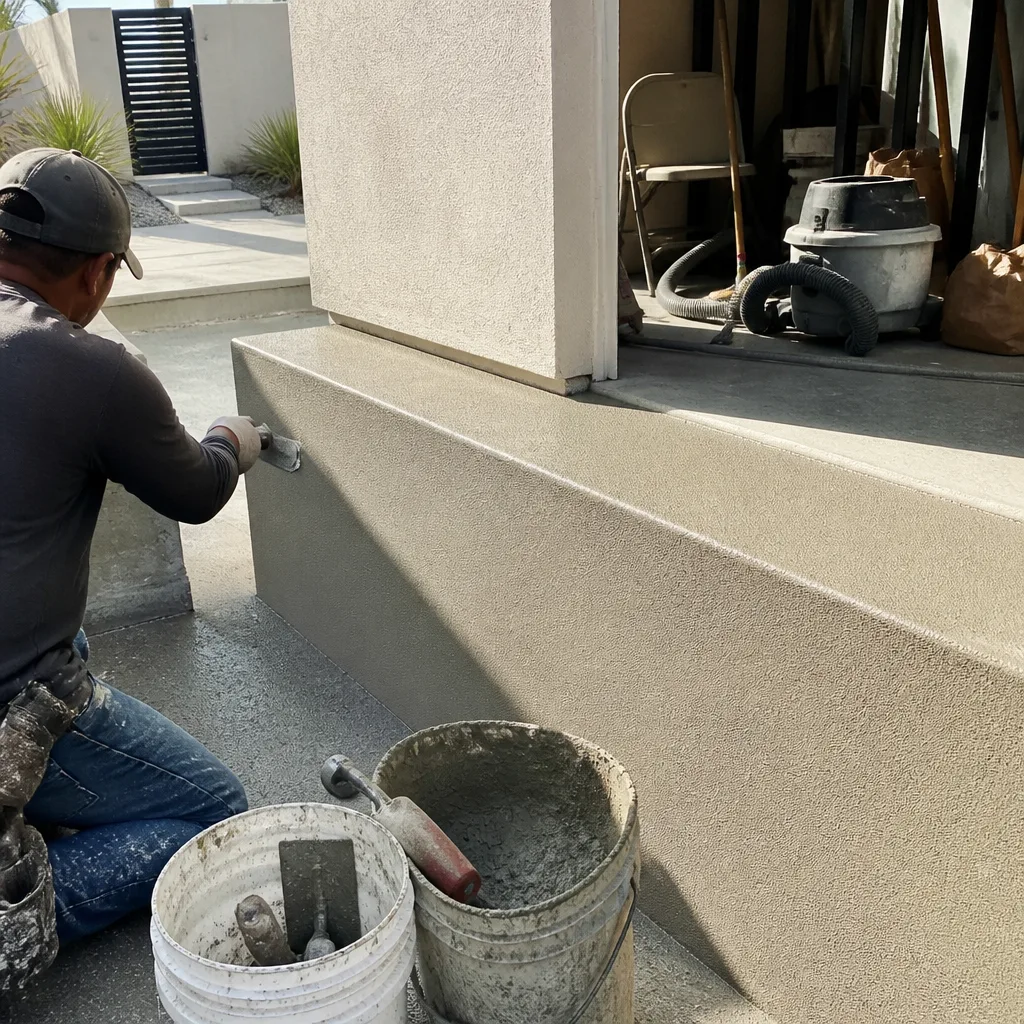
- Verdict: The material savings are real, and the risk is lower than electrical or plumbing work. But Torrance’s clay-heavy soil expands and contracts with moisture, and DIYers rarely compact the subgrade properly. Cracks within two years are common. Professional hardscaping companies in Torrance using products like Belgard pavers or properly compacted concrete handle the drainage and soil prep correctly the first time.
The honest math: DIY saves real money only when the project requires zero permits, zero structural changes, and zero exposure of existing systems. That’s a smaller category than most homeowners assume.
Permits in Torrance: What Triggers Them and What Skipping One Costs
The City of Torrance Building and Safety Division enforces the California Building Code with local amendments. The permit threshold is lower than most homeowners expect. Here’s what requires a permit in Torrance:
- Any electrical work beyond replacing a fixture or outlet with an exact equivalent
- Any plumbing work beyond replacing a faucet, valve, or toilet with an exact equivalent in the same location
- Any wall removal, wall addition, or opening change
- Any window or door replacement that changes the rough opening size
- Any roof replacement, regardless of whether the structure changes
- Any water heater replacement
- Any retaining wall over 3 feet from the bottom of the footing to the top of the wall
- Any attached patio cover, carport, or structure addition
What does skipping a permit actually cost in Torrance? The city can issue a stop-work order, which means construction stops, inspections are required before work resumes, and the homeowner pays a permit fee plus a penalty that typically doubles the original permit cost. The real cost is not the fine. It’s the retroactive inspection. When an inspector reviews work that was completed without inspection, they require the work area to be opened back up so they can see the connections, framing, or waterproofing. That means demolition of finished work, then re-doing the work to pass inspection, then re-finishing it. In practice, unpermitted work that gets caught often costs two and a half times what a properly permitted project would have cost from the start.
One more Torrance-specific factor: the city’s building department is responsive and thorough. Inspectors in Torrance know the housing stock. They’ve inspected thousands of 1950s and 1960s homes, and they know exactly where homeowners cut corners. An inspector walking through a Torrance tract home can spot a DIY panel modification or a homeowner-patched shear wall almost immediately. The permit process is not a bureaucratic obstacle. It’s the record that protects you when the work is questioned later.
The Decision Matrix: A Project-by-Project Go/No-Go
Here’s the decision tool we promised. This matrix maps common Torrance home projects against the four factors that determine whether DIY is smart or expensive: permit requirement, insurance impact, resale consequence, and realistic skill threshold.
| Project | Permit Required? | Insurance Risk | Resale Consequence | Go/No-Go |
|---|---|---|---|---|
| Interior painting | No | None | None | GO |
| Fixture swap (exact equivalent) | No | Low | None | GO with caveats |
| Flooring over existing subfloor | No | Low | None | GO |
| Fence repair on flat ground | No under 6 ft | None | None | GO |
| Toilet replacement, same location | No | Low | None | GO |
| Bathroom remodel, fixtures stay in place | No (cosmetic only) | Low to moderate | Moderate if waterproofing fails | CONDITIONAL: only if you know waterproofing |
| Kitchen cabinet replacement, no layout change | No | Low | Low | CONDITIONAL: heavy, precise work |
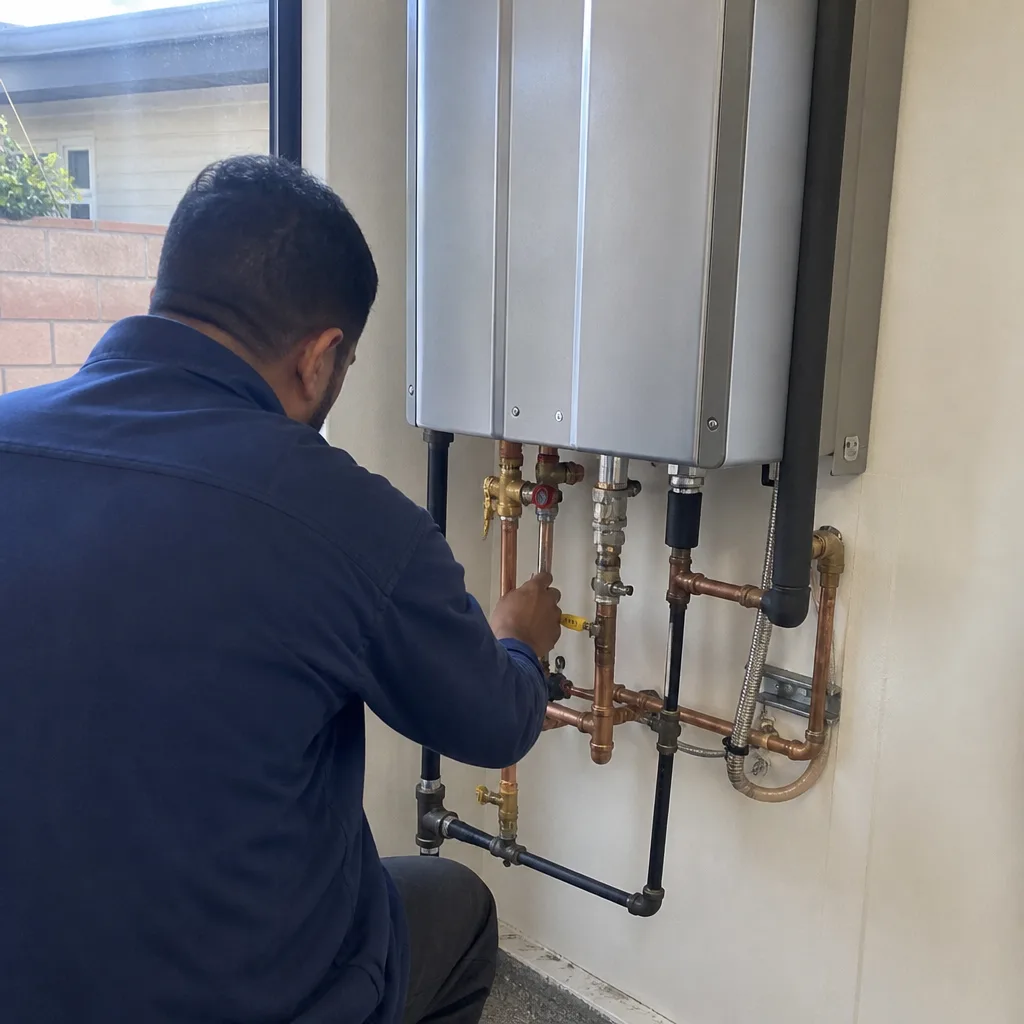
| Water heater replacement | Yes | High if unpermitted | High: flagged at inspection | NO-GO: hire licensed |
| Electrical panel or new circuit | Yes | Very high | Very high | NO-GO: hire licensed |
| Wall removal or structural change | Yes | High | Very high | NO-GO: hire licensed |
| Roof replacement | Yes | High | Very high: four-point inspection flashpoint | NO-GO: hire licensed |
| Full bathroom or kitchen remodel with layout change | Yes | Moderate if done properly | High if unpermitted | NO-GO for DIY: hire a full-service remodeler |
The pattern is consistent. The projects where DIY saves meaningful money are the projects that carry the lowest stakes. The projects that transform a home, increase its value, or touch its core systems are exactly the projects where liability transfer matters most.
Selling a Home with DIY Improvements: Disclosure Reality
California Civil Code Section 1102 requires sellers to complete a Transfer Disclosure Statement that asks, among many things, whether the seller is aware of any work performed without permits. Lying on that form is not a contract dispute. It’s statutory fraud, and buyers have up to three years after discovering the misrepresentation to sue. The California Association of Realtors updated its disclosure forms in recent years to make the permit question more prominent precisely because lawsuits over undisclosed unpermitted work keep rising.
What this means in practice: the DIY bathroom remodel you did in 2018 comes up again in 2028 when you sell. You disclose it, and the buyer’s agent responds by requesting a retroactive permit, asking for a price reduction to cover the inspection risk, or simply moving on. You don’t disclose it, and you’ve committed fraud on the largest financial transaction most people ever make. Neither option is good.
The cleanest path is to do the work with permits and a licensed contractor from the start. For homeowners who’ve already completed unpermitted work, the fix is a retroactive permit through the City of Torrance, which typically requires opening the work for inspection and then closing it back up. We handle several of these each year, and they’re never cheaper than doing the project correctly the first time. Homeowners who contact Mason Remodeling Co Torrance for a home remodeling project often ask us to evaluate existing DIY work as part of the estimate, and we’ll flag anything that will create a disclosure issue before it becomes a sale blocker.
Common Mistakes to Avoid
- Assuming “cosmetic” means “no permit.” In Torrance, any work that exposes or alters plumbing, electrical, or structural elements is no longer cosmetic. Moving a toilet six inches changes a paint job into a permitted remodel.
- Watching one YouTube video and starting demo. Tutorials show modern homes with standardized framing. Torrance homes from the 1950s and 1960s hide surprises the camera never sees, and once the wall is open, you own whatever is inside it.
- Pulling a permit as owner-builder without understanding the liability. The owner-builder designation means you assume contractor-level liability for the work for five years after sale. You sign a document confirming this. Most owner-builders never read it.
- Skipping the soil prep on hardscape. Torrance sits on expansive clay. A patio slab poured over uncompacted soil will crack within two seasons, and a cracked slab is visible to every appraiser and buyer.
- Replacing an electrical fixture without checking for cloth-insulated wiring. Pre-1970 Torrance homes commonly have cloth-insulated wire that turns brittle with age. Disturbing it can crack insulation and energize the wall cavity. If you see fabric-wrapped wire, stop and call an electrician.
- Assuming insurance covers DIY failures. Standard California policies exclude damage caused by faulty workmanship, and unpermitted owner-performed work is the easiest faulty-workmanship argument for an adjuster to win.
- Waiting to pull a permit until after the work is done. Retroactive permits in Torrance trigger an inspection of the completed work, which requires opening walls, ceilings, or floors to expose connections. The demo cost is usually more than the original permit fee.
See the difference
 Before
 After
After Before
 After
After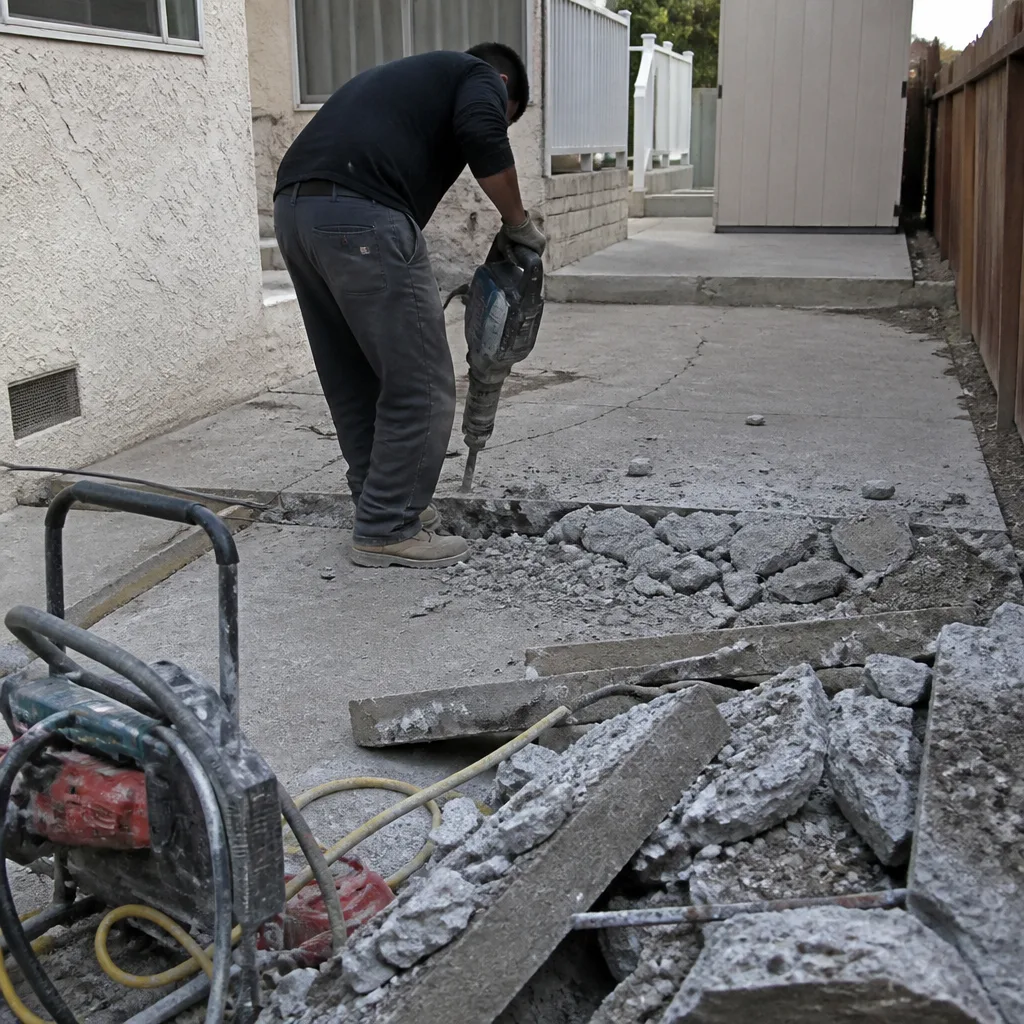 Before
 After
AfterWhen to Call a Professional
Call a licensed contractor when the project requires a permit, touches electricity or pressurized water, involves structural changes, or affects waterproofing, roofing, or gas lines. Also call when the project timeline matters: a professional crew finishes a bathroom remodel in weeks, while a weekend-only DIYer works on the same bathroom for six months, and the house never gets fully put back together. And call when you want the liability on someone else’s insurance policy instead of your own. Mason Remodeling Co Torrance offers free estimates in Torrance. Call (424) 337-6939 and a real person answers, any day, any hour. For additional home maintenance planning, see our General Contractor Maintenance Checklist for Torrance Homeowners.
Frequently Asked Questions
A homeowner can personally perform non-permitted, non-structural work on their own primary residence, including painting, flooring, trim, fixture replacement, and basic repairs that don’t require a Torrance building permit. Any work requiring a permit, including electrical, plumbing, structural, or roofing work, must either be performed by a licensed contractor or completed under an owner-builder permit with full liability assumed by the homeowner.
Yes. California disclosure law requires sellers to state whether work was performed without permits, and unpermitted work typically triggers buyer requests for retroactive permits, price reductions, or repairs before closing. In a competitive market like Torrance, unpermitted work is a common deal-killer, not a minor footnote.
It can, and frequently does. California insurance policies exclude damage caused by faulty workmanship, and unpermitted owner-performed work is often classified as faulty workmanship by default. If a DIY plumbing connection leaks and causes water damage, the claim is vulnerable. Licensed, permitted work transfers that risk to the contractor’s insurance and the permit record.
A fully permitted bathroom remodel in Torrance typically runs from $18,000 to $45,000 depending on the size of the room, whether plumbing fixtures move, the age of the home’s existing systems, and finish selections. A cosmetic refresh without changing the layout falls between $8,000 and $18,000. Call (424) 337-6939 for an exact written quote, always before any work starts.
A licensed Torrance contractor typically completes a full bathroom remodel in 3 to 6 weeks, including permits and inspections. A homeowner working nights and weekends on the same project commonly spends 4 to 8 months, during which the bathroom is unusable. The time gap is even wider for kitchens and whole-home projects.
Replacing cabinets without changing the kitchen layout, plumbing, or electrical does not require a permit in Torrance. However, if the cabinet removal exposes water-damaged framing, mold, or deteriorated plumbing, the project can cross into permitted territory quickly. This is especially common in Torrance homes from the 1950s and 1960s.
The Bottom Line
DIY construction in Torrance is a good idea for paint, trim, flooring, and fixture swaps. It’s a poor idea for anything that requires a permit, touches water or electricity, alters structure, or exposes the inside of walls in a home built before 1990. The savings on a DIY project shrink fast once you factor in tools, do-overs, permit penalties, and the disclosure liability that follows unpermitted work to the closing table. The professional route costs more on the invoice but transfers liability to a licensed contractor, creates a permit record, and puts a written warranty behind the work. For Torrance homeowners trying to decide, the rule is simple: if it needs a permit, it needs a professional. If you’re unsure, call (424) 337-6939 and ask. Someone answers, and the estimate is free. Explore more guides & resources for Torrance homeowners.
Written by Isaac Pruett, Owner at Mason Remodeling Co Torrance, serving Torrance since 2004.